Apple Requires Brazilian License for Betting Apps
Betting apps must hold a Brazilian license amid new regulations.


Apple Mandates Brazilian License for Betting Apps
Apple's new requirement for a Brazilian license for betting apps on its App Store marks a significant change for developers in this growing market. This regulation, introduced by Brazil's Secretariat of Prizes and Bets (SPA), highlights the complexities of compliance in a global app economy. This development may represent a moment that could influence the operational landscape for betting apps within Brazil's expanding digital ecosystem.
New Licensing Mandate
The SPA, under Brazil's Ministry of Finance, has issued a decree requiring all betting apps to secure a local license to remain available on the App Store. This regulatory change affects developers when submitting their apps through Apple's App Store Connect, indicating their software involves gambling activities. These apps will also be assigned an A18 age rating within Brazil, emphasizing the sector's sensitivity and the need for stringent access controls.
A simple metadata update will not suffice for compliance. Developers must submit a new app version, inclusive of the licensing information and any necessary supporting documentation. According to Apple, this process is the first step in verifying compliance with the new regulations. This policy reflects the company's effort to adhere to local laws and maintain a safe platform for users.
Compliance and Legal Requirements
Beyond obtaining the necessary license, betting apps must adhere to Brazilian laws governing consumer protection, which include specific disclosures and warning requirements. These stipulations ensure transparency and protect consumers, particularly in a volatile sector like gambling. Legal experts recommend that developers uncertain about these requirements seek professional advice to navigate this intricate regulatory landscape effectively.
Key Updates for Developers:
- Obtain a license from Brazil's SPA.
- Submit a new app version with license information through App Store Connect.
- Comply with local disclosure and warning standards.
Context: The Growing Betting Market in Brazil
Brazil's decision to regulate the betting market more stringently comes as no surprise given the sector's growth. The country's digital betting industry has expanded rapidly, fueled by increasing internet penetration and a burgeoning middle class. This regulatory oversight aims to harness this growth responsibly, ensuring that the industry develops within a framework that protects consumers and aligns with international best practices.
The SPA's role is critical, ensuring that betting activities are conducted legally and ethically. Apple’s alignment with these regulations is part of a broader trend where tech companies increasingly need to comply with diverse regulatory landscapes across different regions. For Apple, maintaining compliance with local laws is not just about avoiding legal pitfalls but also about securing its reputation as a responsible platform provider.
Compared to Competitors
The new licensing requirement places Apple in a unique position compared to its competitors. For instance, Google Play Store has historically adopted a less stringent approach to licensing, allowing many betting apps to operate with minimal oversight. As of 2023, the Google Play Store requires developers to meet only basic age restriction guidelines, whereas Apple’s mandate necessitates a fully licensed operational model.
Additionally, local competitors like Betano and Betfair have adjusted their strategies in response to these regulations. Betano, a prominent player in the Brazilian market, launched its app with a local license in March 2022, positioning itself advantageously with compliance already established. This proactive approach may contrast with the challenges Apple’s developers now face, as they scramble to meet new requirements that competitors have already navigated successfully.
What's Still Unclear
Despite the clarity on the need for a license, several questions remain unanswered, creating uncertainty for developers:
- What will happen to apps currently available on the App Store that have not yet complied with the new licensing requirements? Will there be a grace period or a specific deadline for compliance?
- What are the penalties for non-compliance? Apple has yet to disclose the ramifications for developers who fail to secure the necessary licenses promptly.
- How will Apple enforce these regulations? Developers are left wondering whether there will be support systems to assist them in navigating these new requirements, particularly smaller developers who may lack the resources to adapt swiftly.
What This Means for You
For developers operating in the Brazilian market, this new licensing requirement underscores the importance of staying informed about regional regulations. Ignorance of local laws can lead to significant setbacks, including the removal of apps from the App Store and potential legal repercussions. Developers must act swiftly to secure the necessary licenses and ensure their apps meet all legal requirements. This proactive approach will safeguard their current operations and position them favorably as the market continues to evolve.
For consumers, these changes may promise a safer and more transparent betting environment. With stricter regulations and oversight, the risk of unethical practices may decline, enhancing overall trust in the digital marketplace. The implementation of age restrictions demonstrates a commitment to responsible gambling, protecting younger audiences from potentially harmful exposure.
Operator's View
Apple's requirement for a Brazilian license for betting apps appears to be a logical step in a world where digital activities increasingly intersect with local laws. While some may argue this move could stifle innovation, it could enhance the integrity of the platform. By ensuring compliance, Apple protects its users and elevates standards for all developers in the market. This will pressure smaller competitors who may lack the resources to meet these new requirements, potentially consolidating the market further into the hands of larger, more established players who can afford the compliance costs.
While the path forward may be fraught with challenges for developers, it offers an opportunity to establish trust and credibility in the eyes of consumers and regulators alike. The betting sector in Brazil exemplifies how regional regulations impact global business strategies, and Apple’s move may signal a shift towards a more regulated digital economy.
Why This Matters
The implications of Apple’s licensing requirement extend beyond its immediate effects on developers and consumers. As the tech industry grapples with increasingly diverse regulatory demands, this move could serve as a bellwether for similar initiatives in other regions. Companies like Apple must navigate these waters carefully, balancing innovation with responsibility. The broader trend indicates that as markets mature, regulatory scrutiny will intensify, and companies that fail to adapt may find themselves sidelined.
Given the potential ripple effects on the global betting landscape, industry stakeholders should closely monitor how Apple’s policies evolve. This situation highlights the necessity for adaptability in the tech industry. Companies must remain agile, ensuring compliance while still fostering innovation. The betting sector in Brazil is a stark reminder of the ongoing need for vigilance and proactive engagement in the regulatory sphere, and it will be interesting to see how this landscape continues to unfold in the coming years.
Update — 2026-06-07
Since the article's publication, discussions around the implications of Apple's new licensing requirement have intensified among Brazilian app developers and industry stakeholders. Many express concerns about the potential impact on innovation and competition within the betting sector, as smaller developers may struggle to meet compliance costs. Additionally, the Brazilian government is reportedly considering further regulations that could affect not just app stores but the entire online betting landscape, indicating that Apple’s move is part of a broader trend towards stricter oversight in digital markets.
Editor-tracked discounts on the gadgets and gear worth buying right now.
See the deals →Discuss this story
Got a take, a correction, or a follow-up tip? Reply where you read — we read everything.
Found an error? File a correction at /corrections. Substantive corrections are logged publicly.
One short email. The most important Web & Apps news, fact-checked, no fluff. Free, unsubscribe anytime.
More from Web & Apps

D23 2026: Disney's Content Deluge Sparks Questions About Strategy
Byte-Pulse cuts through D23 hype: We dissect Disney's ambitious content slate, from Simpsons: Hit & Run to Ahsoka season 2, and question the real-world implications and European market strategy.

Spotify Relaunches AI Running Mode for iOS Premium Users
Spotify's new Running Mode for iOS uses AI to sync music with your stride, but its success hinges on AI quality and user input
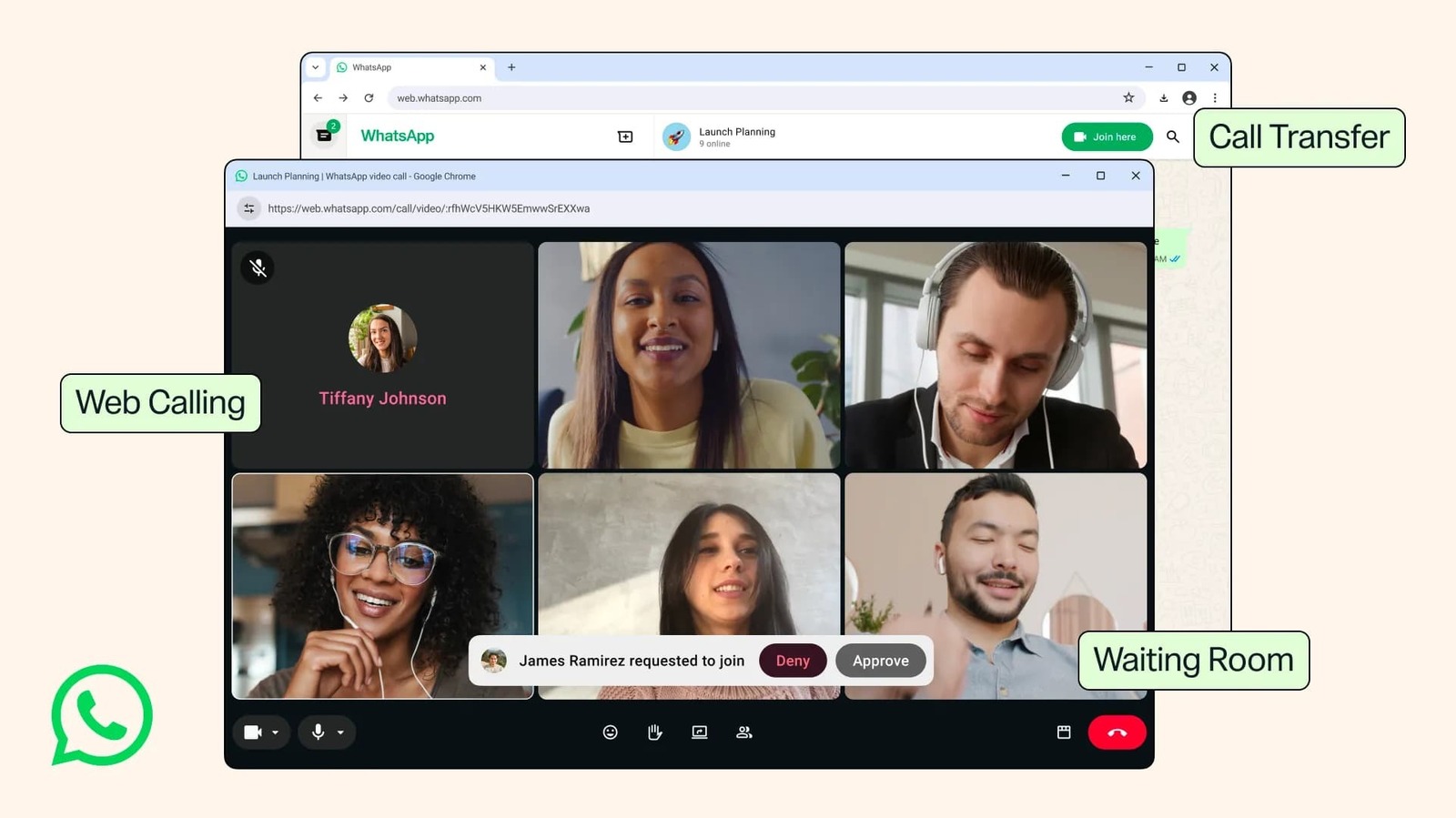
WhatsApp Web Gets Calls: Meta's Cross-Platform Play Begins
WhatsApp Web now supports encrypted calls, screen sharing, and call transfers. We dissect Meta's strategic shift and its implications for users and enterprise adoption in Europe.

Fox's $22 Billion Acquisition of Roku: A New Era in Streaming
Fox's acquisition of Roku for $22 billion marks a pivotal shift in streaming, merging content strength with platform reach.
The Byte-Pulse Newsroom is the editorial system that produces Byte-Pulse's daily tech news coverage. Each story is cross-referenced across 3+ independent outlets, drafted with AI assistance by the newsroom system (Drafter → Editor → Fact-Checker → Polisher), and reviewed by Serhat Er, Editor-in-Chief, before publication. We disclose AI augmentation openly. Editorial accountability stays with the named editor on every article. Tips: editorial@byte-pulse.net.
Don’t miss these
OnePlus 14 vs Samsung Galaxy S26: Which Flagship Earns Your Hard-Earned Cash?
Deciding between the OnePlus 14 and Samsung Galaxy S26? This guide cuts through the noise, laying out the facts so you can pick the perfect phone for your priorities.
Proton VPN vs NordVPN: Which One Earns Your Subscription?
A deep dive into Proton VPN and NordVPN, comparing their privacy, performance, features, and value, helping you make an informed decision.
Perplexity Pro vs ChatGPT Plus: Which AI Assistant Fits Your Workflow?
This guide lays out the strengths and approaches of Perplexity Pro and ChatGPT Plus, helping you identify which AI assistant aligns with your specific needs.

Pokémon TCG Movie Signals Strategic Media Pivot for The Pokémon Company
A new Pokémon movie focused on the TCG is coming in 2027, marking a strategic pivot for the franchise as it navigates massive global fan engagement and logistical challenges.

Apple's AI Pivot: Vision Pro Content Cut, Siri Rebuilt Amid Layoffs
Apple's latest layoffs signal a strategic pivot, dialing back high-cost Vision Pro content while re-tooling Siri for the AI era. What's next for Apple?
Nothing Phone 4 vs Google Pixel 11: Looking Ahead to the Next Generation
A speculative deep dive into what the Nothing Phone 4 and Google Pixel 11 might bring, offering a balanced look at their likely strengths and trade-offs for future buyers.