EU Mandates Alcolock Ports in New Cars by July 2026
Starting July 2026, all new cars sold in the EU must include a port for alcolock systems.

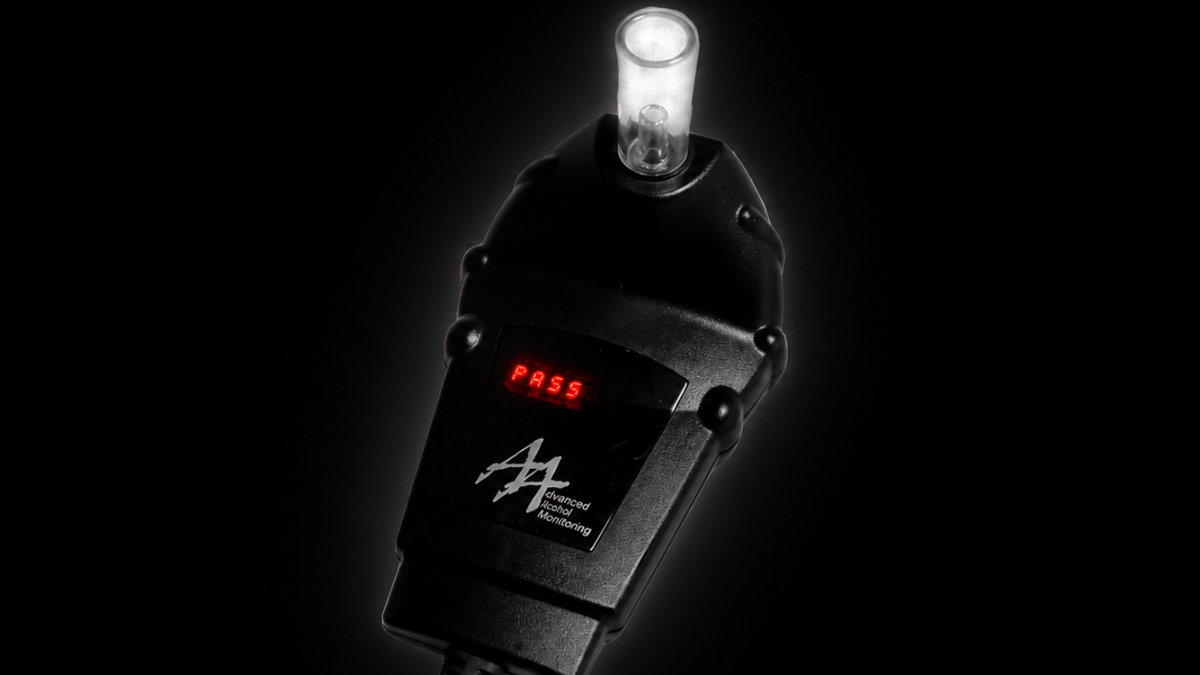
EU's Latest Auto Safety Mandate
Beginning July 2026, all new cars sold within the European Union will need to be equipped with an interface for alcolock devices. This is part of a larger initiative by the EU to enhance road safety and reduce alcohol-related accidents. Although the alcolock device itself isn't mandatory, the inclusion of a compatible port is.
Alcolocks function by requiring drivers to blow into a device before the vehicle can be started. If the driver's blood alcohol content exceeds the legal limit, the car's ignition system is blocked, preventing the vehicle from starting. This safety measure is already in use in several EU countries, particularly for repeat offenders and certain professional drivers. According to the European Transport Safety Council, alcohol is a significant factor in approximately 25% of all road deaths in the EU, making this initiative particularly relevant.
Safety Features in New EU Cars
The alcolock interface is just one element of a comprehensive safety package the EU has been rolling out since 2018. By 2024, new cars were already required to include features such as:
- Intelligent speed assistance systems that help drivers maintain appropriate speeds by alerting them when they're going over the limit.
- Emergency lane-keeping systems designed to prevent unintentional lane departures.
- Event data recorders, similar to airplane black boxes, which provide crucial data in the event of a crash.
- Adaptive brake lights that intensify during emergency stops to better warn following vehicles.
These advancements aim to significantly improve driver safety and reduce traffic-related fatalities across the EU, aligning with a broader strategy to modernize vehicle safety regulations. Statistics from the European Commission show that advanced driver assistance systems could prevent up to 25,000 deaths and 140,000 serious injuries by 2038.
Context: European Road Safety Initiatives
The introduction of mandatory alcolock ports is the latest step in the EU's ongoing efforts to bolster road safety. This move aligns with Europe's Vision Zero strategy, which aspires to eliminate all traffic fatalities and serious injuries by 2050. The EU's approach has been proactive, implementing technologies that assist and correct driver behavior, thus reducing the likelihood of accidents.
In practical terms, Vision Zero has inspired numerous local and national policies within EU member states, promoting safer [infrastructure](/article/deutsche-bahn-s-infrastructure-stabilized-yet-facing-significant-challenges), strict enforcement of traffic laws, and public campaigns on responsible driving. The addition of alcolock ports is seen as a foundational step that could pave the way for more widespread use of the devices, potentially becoming standard practice in the future.
What This Means for You
If you're planning to purchase a new car in the EU from mid-2026 onwards, you can expect it to come equipped with an alcolock port. While the device itself isn't compulsory, having the port may influence future regulations or insurance policies. Insurance companies might eventually offer discounts to drivers who voluntarily install alcolock devices, considering the reduced risk of alcohol-related incidents.
Additionally, if you're a manufacturer or importer, ensuring compliance with these new requirements will be crucial to continue operating within the EU market. This could involve redesigning vehicle models to accommodate the new [technology](/article/iphone-18-pro-s-a20-chip-innovations-in-2nm-technology-and-wmcm), potentially impacting [production](/article/macbook-neo-demand-surpasses-expectations-apple-seeks-more-chips) costs and timelines.
For drivers, the presence of an alcolock port could serve as a reminder of the EU's commitment to road safety and its potential influence on personal driving habits. It might also lead to increased consumer awareness and acceptance of such technologies, particularly among younger drivers who are more accustomed to tech-enabled solutions in everyday life.
What's Still Unclear
Despite the clear mandate for alcolock ports, several questions remain unanswered:
- Will there be financial [incentives](/article/germany-introduces-new-subsidies-for-electric-vehicles) for drivers to install the actual alcolock devices? The EU has not yet detailed any potential subsidies or rebates for voluntary installations, leaving it uncertain whether financial support will be part of the rollout strategy.
- How will this mandate affect used car sales and imports from outside the EU? Cars without the alcolock port might see changes in their marketability or resale value, potentially affecting consumers looking for budget-friendly options.
- Could this lead to similar mandates in other regions, such as the UK or North America? While the UK has aligned many of its safety standards with the EU post-Brexit, it's unclear if it will adopt this specific mandate. North America, with its differing regulatory landscape, may take a different approach altogether.
These uncertainties highlight the need for continued dialogue between policymakers, automotive industry stakeholders, and consumers to ensure that the transition is as smooth and beneficial as possible.
Why This Matters
The EU's decision to mandate alcolock ports in new cars by 2026 is a significant step towards enhancing road safety. By making it easier to implement alcolock systems, the EU is tackling drunk driving at its source. The initiative demonstrates a firm commitment to leveraging technology in the fight against road traffic accidents, a leading cause of death and injury worldwide.
This initiative, coupled with other advanced safety technologies, underscores Europe's commitment to reducing traffic fatalities and promoting safer driving conditions for all. For consumers, it signals a shift towards more intelligent, safer vehicles, which could become the norm in the coming decades.
As these measures take root, they may well set a precedent for global vehicle safety standards, influencing policy far beyond European borders. The continued evolution of car safety features marks a pivotal moment in automotive history, one that prioritizes human life and societal well-being above all else.
Discuss this story
Got a take, a correction, or a follow-up tip? Reply where you read — we read everything.
Found an error? File a correction at /corrections. Substantive corrections are logged publicly.
One short email. The most important EV & Auto news, fact-checked, no fluff. Free, unsubscribe anytime.
More from EV & Auto
Tesla Model 3 vs Polestar 2: Choosing Your Next EV Wisely
A balanced breakdown of Tesla Model 3 and Polestar 2. Compare specs, performance, design, and more to find the right EV for you.
Tesla Model Y vs Hyundai Ioniq 5: Which Electric SUV Fits Your Drive?
Tesla Model Y and Hyundai Ioniq 5 go head-to-head in this comprehensive guide. Discover which EV aligns with your priorities.
Tesla Model 3 vs BYD Seal: Which Electric Sedan Suits Your Drive?
Tesla Model 3 and BYD Seal each offer unique strengths in the EV market. Explore specs and decide which aligns with your lifestyle.
Best Aftermarket Displays for Android Auto and Apple CarPlay in 2023
Discover standout aftermarket displays for Android Auto and Apple CarPlay, their unique features, and how they compare.
The Byte-Pulse Newsroom is the editorial system that produces Byte-Pulse's daily tech news coverage. Each story is cross-referenced across 3+ independent outlets, drafted with AI assistance by the newsroom system (Drafter → Editor → Fact-Checker → Polisher), and reviewed by Serhat Er, Editor-in-Chief, before publication. We disclose AI augmentation openly. Editorial accountability stays with the named editor on every article. Tips: editorial@byte-pulse.net.
Don’t miss these
Asus ROG Phone 9 vs Sony Xperia 1 VII: Which Niche Flagship Earns Your Money?
Deciding between the gaming-focused ROG Phone 9 and the creator-centric Xperia 1 VII? This guide breaks down every spec to help you choose.
Proton VPN vs NordVPN: Which One Earns Your Subscription?
A deep dive into Proton VPN and NordVPN, comparing their privacy, performance, features, and value, helping you make an informed decision.
Perplexity Pro vs ChatGPT Plus: Which AI Assistant Fits Your Workflow?
This guide lays out the strengths and approaches of Perplexity Pro and ChatGPT Plus, helping you identify which AI assistant aligns with your specific needs.

Pokémon TCG Movie Signals Strategic Media Pivot for The Pokémon Company
A new Pokémon movie focused on the TCG is coming in 2027, marking a strategic pivot for the franchise as it navigates massive global fan engagement and logistical challenges.

Apple's AI Pivot: Vision Pro Content Cut, Siri Rebuilt Amid Layoffs
Apple's latest layoffs signal a strategic pivot, dialing back high-cost Vision Pro content while re-tooling Siri for the AI era. What's next for Apple?
Honor Magic 8 Pro vs Samsung Galaxy S26 Ultra: Which Future Flagship Fits Your Wallet and Workflow?
Deciding between the anticipated Honor Magic 8 Pro and Samsung Galaxy S26 Ultra? Our deep dive into expected specs and features provides the fair comparison you need.