Germany's De-Mail: End of a Troubled Secure Email Dream by 2026
After years of security woes and low adoption, Germany's ambitious De-Mail system will be officially phased out by 2026.


Germany's De-Mail Program: The End of a Troubled Tech Dream
Germany's De-Mail system? Gone by the end of 2026. It's the official end for an ambitious, but ultimately flawed, attempt to build a secure, state-run email system. Launched in 2012, De-Mail was supposed to be a safe alternative to regular email. The idea? To let citizens and government bodies communicate with verifiable encryption and authentication. But it never really worked. The system faced too many problems.
Why De-Mail Failed
Why did it fail? Plenty of reasons, starting with critical design flaws. The biggest issue? "Zustellfiktion" — or delivery fiction. Sounds bureaucratic, right? It meant an email was considered delivered once a government authority sent it. Didn't matter when the recipient actually saw the message. Traditional mail needs delivery confirmation. This just disadvantaged users who needed timely notifications.
Consider a real-world scenario: A citizen receives a notice via De-Mail about an important deadline for a tax submission. By the time they actually check their inbox, the deadline is dangerously close or has already passed. In traditional mail systems, the sender would ensure the recipient acknowledges receipt, but De-Mail's approach left users in a bind, assuming they were informed when they hadn't actually seen the message.
Then there were the security problems. Right from the start. De-Mail initially lacked encryption capabilities. Seriously. They finally added it in 2015, but only after widespread criticism and pretty low adoption rates. Critics like the Chaos Computer Club? They slammed it. Said it put bureaucratic convenience way ahead of user privacy.
The numbers speak volumes. By 2014, two years after its launch, only about 1.4 million De-Mail accounts had been registered, a tiny fraction of Germany's population of over 80 million. This low adoption rate wasn't just due to security concerns but also because of a lack of trust and perceived necessity.
The Bureaucratic Backdrop
Sure, De-Mail aimed to cut red tape for government bodies. But it just made things harder for regular folks. The system mandated specific protocols. Like virus scanning by a BSI-certified provider. Privacy concerns? You bet. Then came the Snowden revelations. Trust in state-run digital projects plummeted. De-Mail didn't stand a chance.
The Snowden leaks in 2013 exposed the extent of global surveillance, shaking public trust in any state-controlled digital infrastructure. For De-Mail, already struggling with perception issues, this was a critical blow. People became wary of government oversight in their private communications, and De-Mail's state-run nature only fueled those fears.
They tried. Encryption, e-Government standards by 2016. Didn't matter. Still couldn't get people to use it. Finally, in 2023, the last provider, Mentana-Claimsoft, just quit. That was it for De-Mail. Mentana-Claimsoft's exit was a clear indicator that the commercial viability of De-Mail was unsustainable. Without providers, the system was essentially dead in the water.
Europe's Digital Communication Landscape
De-Mail's failure isn't just a German problem. It shows the bigger headaches state-run digital communications face across Europe. Germany tried something new. Others, though, found ways to balance security and usability. And they actually worked. A cautionary tale? Absolutely. For anyone thinking of building the next big government tech project.
Look at Estonia, often cited as a digital leader in Europe. Its e-residency and digital identity systems have achieved what De-Mail couldn't: a high level of trust and widespread adoption. The difference? Estonia's systems are not only secure but also user-friendly and integrate seamlessly into daily life.
What This Means for You
So, what now for German citizens? Back to regular email. Or find other secure platforms for official stuff. Stay informed. What are the government-endorsed alternatives? You'll need to know.
For everyday users, this means revisiting digital literacy and security awareness. It's crucial to understand the landscape of secure communication platforms available today, such as encrypted email services like ProtonMail or Tutanota. These platforms emphasize end-to-end encryption, ensuring that only the sender and recipient can access the content.
What's Still Unclear
Questions? Still plenty of them as De-Mail winds down. How will Germany handle secure state comms after 2026? A whole new project? Or just tweak what's already out there? We don't know yet.
Will Germany opt for a public-private partnership model, similar to other successful digital infrastructure projects in Europe? Or might they lean towards leveraging blockchain technology, which offers a decentralized and secure way to manage communications? These questions remain unanswered, leaving room for speculation and debate.
Why This Matters
The De-Mail saga. It's a pretty clear lesson: state digital projects need to nail both security and usability. Not one or the other. Governments want to go digital. Fair enough. But they'd better learn from De-Mail's mistakes. Or we'll see this all over again.
For policymakers, De-Mail's story is a reminder that innovation without user-centric design is doomed. As digital transformation continues, governments must prioritize transparency, trust, and user engagement. It's not just about rolling out new technology; it's about ensuring it genuinely enhances the lives of its citizens. This balance is critical for the future of digital governance.
Hardware keys and password managers used by security pros.
Shop security gear →Discuss this story
Got a take, a correction, or a follow-up tip? Reply where you read — we read everything.
Found an error? File a correction at /corrections. Substantive corrections are logged publicly.
One short email. The most important Security news, fact-checked, no fluff. Free, unsubscribe anytime.
More from Security

eBay's $55.7M Cyberstalking Settlement: A Corporate Culture of Coercion Exposed
Byte-Pulse investigates the eBay cyberstalking case, revealing a disturbing harassment campaign, executive involvement, and the broader implications for corporate ethics.
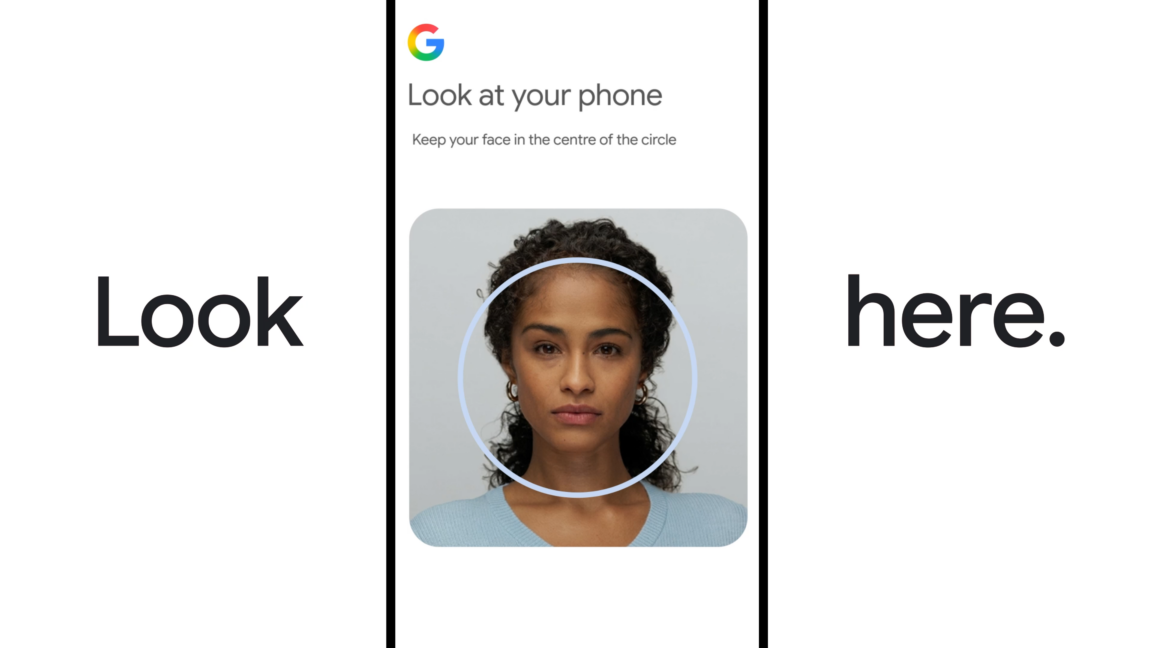
Google's Selfie Login: Convenience Meets Data Privacy Alarms
Google introduces a video selfie login, but the implications for data privacy and AI training warrant scrutiny beyond convenience

Apple's Rare Third macOS RC: Unpacking Security Concerns
Byte-Pulse explores the implications of Apple's unusual third Release Candidate for macOS updates, examining the severity of unannounced security fixes and their impact on European users

Google’s Legal Battle Against AI-Driven Cybercrime: Examining Outsider Enterprise
Google's lawsuit against Outsider Enterprise exposes differences in victim counts and sheds light on AI's role in cybercrime.
The Byte-Pulse Newsroom is the editorial system that produces Byte-Pulse's daily tech news coverage. Each story is cross-referenced across 3+ independent outlets, drafted with AI assistance by the newsroom system (Drafter → Editor → Fact-Checker → Polisher), and reviewed by Serhat Er, Editor-in-Chief, before publication. We disclose AI augmentation openly. Editorial accountability stays with the named editor on every article. Tips: editorial@byte-pulse.net.
Don’t miss these
Asus ROG Phone 9 vs Sony Xperia 1 VII: Which Niche Flagship Earns Your Money?
Deciding between the gaming-focused ROG Phone 9 and the creator-centric Xperia 1 VII? This guide breaks down every spec to help you choose.
Proton VPN vs NordVPN: Which One Earns Your Subscription?
A deep dive into Proton VPN and NordVPN, comparing their privacy, performance, features, and value, helping you make an informed decision.
Perplexity Pro vs ChatGPT Plus: Which AI Assistant Fits Your Workflow?
This guide lays out the strengths and approaches of Perplexity Pro and ChatGPT Plus, helping you identify which AI assistant aligns with your specific needs.

Pokémon TCG Movie Signals Strategic Media Pivot for The Pokémon Company
A new Pokémon movie focused on the TCG is coming in 2027, marking a strategic pivot for the franchise as it navigates massive global fan engagement and logistical challenges.

Apple's AI Pivot: Vision Pro Content Cut, Siri Rebuilt Amid Layoffs
Apple's latest layoffs signal a strategic pivot, dialing back high-cost Vision Pro content while re-tooling Siri for the AI era. What's next for Apple?
Honor Magic 8 Pro vs Samsung Galaxy S26 Ultra: Which Future Flagship Fits Your Wallet and Workflow?
Deciding between the anticipated Honor Magic 8 Pro and Samsung Galaxy S26 Ultra? Our deep dive into expected specs and features provides the fair comparison you need.