Google CEO Accidentally Confirms New Pixel Phones This Year
Sundar Pichai's slip at I/O hints at upcoming Pixel releases amid AI focus.

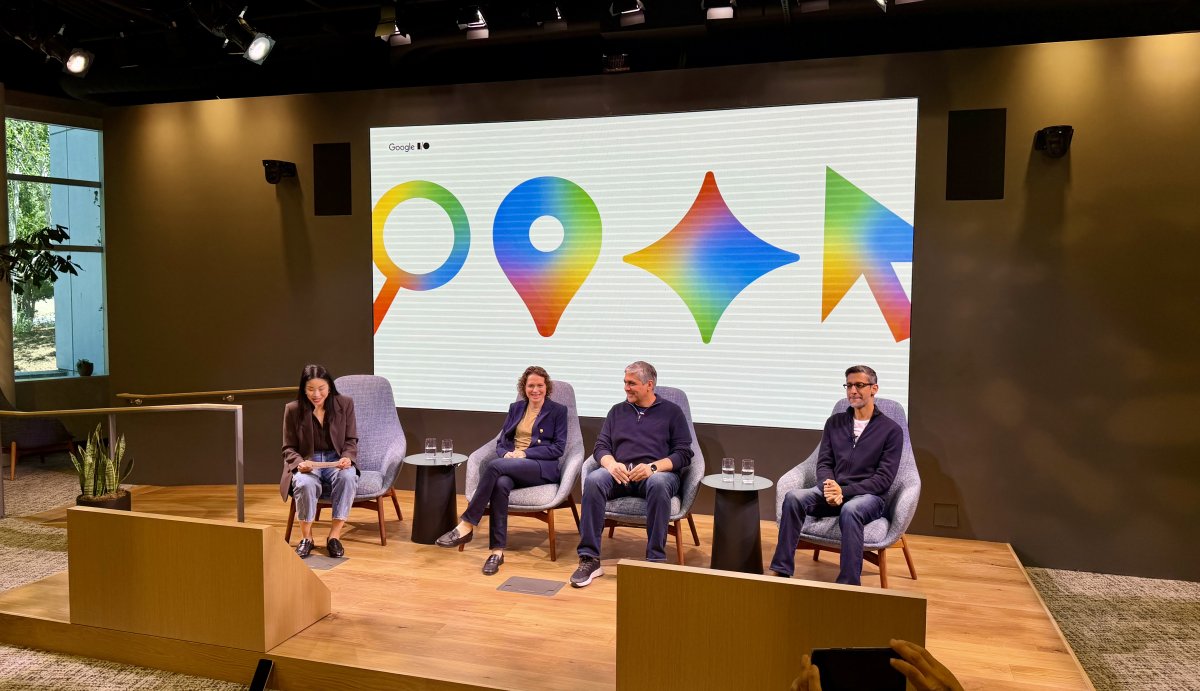
Google CEO Accidentally Confirms New Pixel Phones in 2026
Google CEO Sundar Pichai let slip an unexpected detail at the Google I/O developer conference: new Pixel smartphones are coming later this year. The accidental confirmation happened during the closing Q&A, a moment that drew immediate attention from tech enthusiasts worldwide. A Canadian journalist prompted Pichai to clarify his comments, leading to a candid, albeit unintended, revelation. "I'll be more careful with my wording in the future," Pichai joked, a light-hearted acknowledgment of his slip.
A Focus on AI
The I/O keynote was a showcase of Google's forward-thinking approach, with artificial intelligence (AI) taking center stage. Google is doubling down on AI, integrating it into every aspect of their ecosystem. Sundar Pichai, alongside Koray Kavukcuoglu, Google DeepMind's Chief AI Architect, delved into AI's transformative potential. The duo highlighted the 2026 conference as a pivotal moment for "agentic transformation," a term that signifies AI's evolution from merely providing answers to executing tasks autonomously.
The integration of AI is not just theoretical; it's already in action. Google's AI capabilities are woven into Google Search, the Gemini model, Chrome, and Android, showcasing an ongoing commitment to enhancing user experience. Pichai emphasized efforts to make AI models more efficient, aiming to democratize access to this powerful technology. "It's about bringing cutting-edge advancements to as many people as possible," Pichai noted, underscoring Google's mission to spread AI's benefits widely.
Strategic Partnerships and Competition
In the realm of tech giants, strategic collaborations are both complex and essential. Pichai remained tight-lipped about specific details concerning Google's partnership with Apple. However, he hinted that Google's Gemini AI model is set to make its way into Apple's ecosystem, including iOS. This news is a testament to the intricate dance of competition and collaboration in tech. Companies like Google and Apple, although fierce competitors, recognize the value in leveraging each other's strengths. This dynamic is reminiscent of the relationship between Samsung and Apple, where Samsung, despite being a major component supplier for Apple, remains one of its biggest competitors.
Embracing Open-Source and Global Competition
Another significant topic at the conference was the rise of open-source AI models, exemplified by China's DeepSeek. Kavukcuoglu emphasized that competition from Chinese models is beneficial, not threatening. "It's a catalyst for global innovation," he stated. Google continues to balance its proprietary Gemini models with open-source initiatives, a strategy designed to foster inclusive innovation. This approach not only spurs internal advancements but also contributes to the broader AI community, encouraging a spirit of collaboration and knowledge sharing.
"Agentic transformation is set to redefine user interactions with technology," Pichai remarked confidently. This vision reflects Google's commitment to pushing the boundaries of how AI can enhance everyday life.
Context: The European Perspective
The European market presents unique challenges and opportunities for AI deployment. Stringent regulations, such as the General Data Protection Regulation (GDPR), shape how tech companies operate within Europe. These rules, focused on data privacy and protection, necessitate careful navigation for any AI rollout. Google's plans for Gemini in Europe must align with these regulations, ensuring compliance while delivering innovative solutions. The EU's emphasis on digital sovereignty and ethical AI development could influence the pace and nature of Gemini's introduction in the region.
What This Means for You
For consumers, the announcement of new Pixel smartphones is more than just another product release. It's a glimpse into a future where AI is seamlessly integrated into everyday devices. The integration of AI promises smarter, more intuitive devices that enhance user experience. Imagine a phone that not only answers your questions but anticipates your needs and assists with daily tasks. While specifics about pricing and availability are yet to be disclosed, the anticipation is palpable. As Pichai suggested, more details will emerge in the coming months, so tech enthusiasts should keep their eyes peeled.
What's Still Unclear
Despite the exciting announcements, several questions remain unanswered. What groundbreaking features will these new Pixels offer? How will the Gemini AI function within the Apple ecosystem? Moreover, there's curiosity about the financial implications of Google's AI push—will these advancements translate into cost savings for consumers, or will they come at a premium?
Why This Matters
Google's AI-driven vision signifies a major shift in tech innovation. As AI becomes increasingly embedded in everyday devices, the potential for more personalized and proactive technology grows. This movement isn't just about adopting future trends; it highlights the importance of strategic partnerships in navigating a fiercely competitive tech landscape. By working together, tech giants can leverage each other's strengths to drive forward technological advancements that benefit consumers worldwide.
In summary, Sundar Pichai's inadvertent reveal about new Pixel smartphones underscores Google's commitment to AI integration. The developments discussed at the I/O conference provide a roadmap for the future of technology, where AI plays a central role in shaping user experiences and driving innovation. For consumers, this means anticipating devices that are not only more advanced but also more attuned to their needs, ushering in a new era of intelligent technology.
Discuss this story
Got a take, a correction, or a follow-up tip? Reply where you read — we read everything.
Found an error? File a correction at /corrections. Substantive corrections are logged publicly.
One short email. The most important AI news, fact-checked, no fluff. Free, unsubscribe anytime.
More from AI
Perplexity Pro vs ChatGPT Plus: Which AI Assistant Fits Your Workflow?
This guide lays out the strengths and approaches of Perplexity Pro and ChatGPT Plus, helping you identify which AI assistant aligns with your specific needs.
Claude Pro vs Google Gemini Advanced: Which AI Assistant Deserves Your Subscription?
This definitive guide cuts through the marketing to give you a fair, balanced breakdown of Claude Pro and Gemini Advanced, letting you decide which AI best fits your workflow.
Claude Pro vs Google Gemini Advanced: Which AI Actually Earns Your Subscription?
Byte-Pulse lays out the real trade-offs between Claude Pro and Google Gemini Advanced, helping you pick the AI that fits your workflow, without picking for you.
ChatGPT Plus vs Google Gemini Advanced: Which AI Assistant Fits Your Workflow?
Deciding between ChatGPT Plus and Google Gemini Advanced? We break down the models, features, integrations, and pricing to help you align your choice with your specific priorities.
The Byte-Pulse Newsroom is the editorial system that produces Byte-Pulse's daily tech news coverage. Each story is cross-referenced across 3+ independent outlets, drafted with AI assistance by the newsroom system (Drafter → Editor → Fact-Checker → Polisher), and reviewed by Serhat Er, Editor-in-Chief, before publication. We disclose AI augmentation openly. Editorial accountability stays with the named editor on every article. Tips: editorial@byte-pulse.net.
Don’t miss these
Asus ROG Phone 9 vs Sony Xperia 1 VII: Which Niche Flagship Earns Your Money?
Deciding between the gaming-focused ROG Phone 9 and the creator-centric Xperia 1 VII? This guide breaks down every spec to help you choose.
Proton VPN vs NordVPN: Which One Earns Your Subscription?
A deep dive into Proton VPN and NordVPN, comparing their privacy, performance, features, and value, helping you make an informed decision.

Pokémon TCG Movie Signals Strategic Media Pivot for The Pokémon Company
A new Pokémon movie focused on the TCG is coming in 2027, marking a strategic pivot for the franchise as it navigates massive global fan engagement and logistical challenges.

Apple's AI Pivot: Vision Pro Content Cut, Siri Rebuilt Amid Layoffs
Apple's latest layoffs signal a strategic pivot, dialing back high-cost Vision Pro content while re-tooling Siri for the AI era. What's next for Apple?

D23 2026: Disney's Content Deluge Sparks Questions About Strategy
Byte-Pulse cuts through D23 hype: We dissect Disney's ambitious content slate, from Simpsons: Hit & Run to Ahsoka season 2, and question the real-world implications and European market strategy.
Honor Magic 8 Pro vs Samsung Galaxy S26 Ultra: Which Future Flagship Fits Your Wallet and Workflow?
Deciding between the anticipated Honor Magic 8 Pro and Samsung Galaxy S26 Ultra? Our deep dive into expected specs and features provides the fair comparison you need.