Google's Gemini 3.5 Flash Cuts AI Coder Costs
Google I/O just unveiled smart glasses and AI updates. Big news for coders: cheaper AI tools.

Google's Gemini 3.5 Flash Slashes Costs for AI Coders
Google I/O this year was more than just a tech conference; it was a statement. A bold declaration that Google is doubling down on its commitment to integrating advanced artificial intelligence into both consumer technology and software development tools. A flagship of this initiative is the newly introduced Gemini 3.5 Flash model, but the event also featured the debut of two pairs of smart glasses. Together, these innovations underscore Google's strategy to make AI a seamless part of our digital lives.
Smart Glasses Enter the Scene
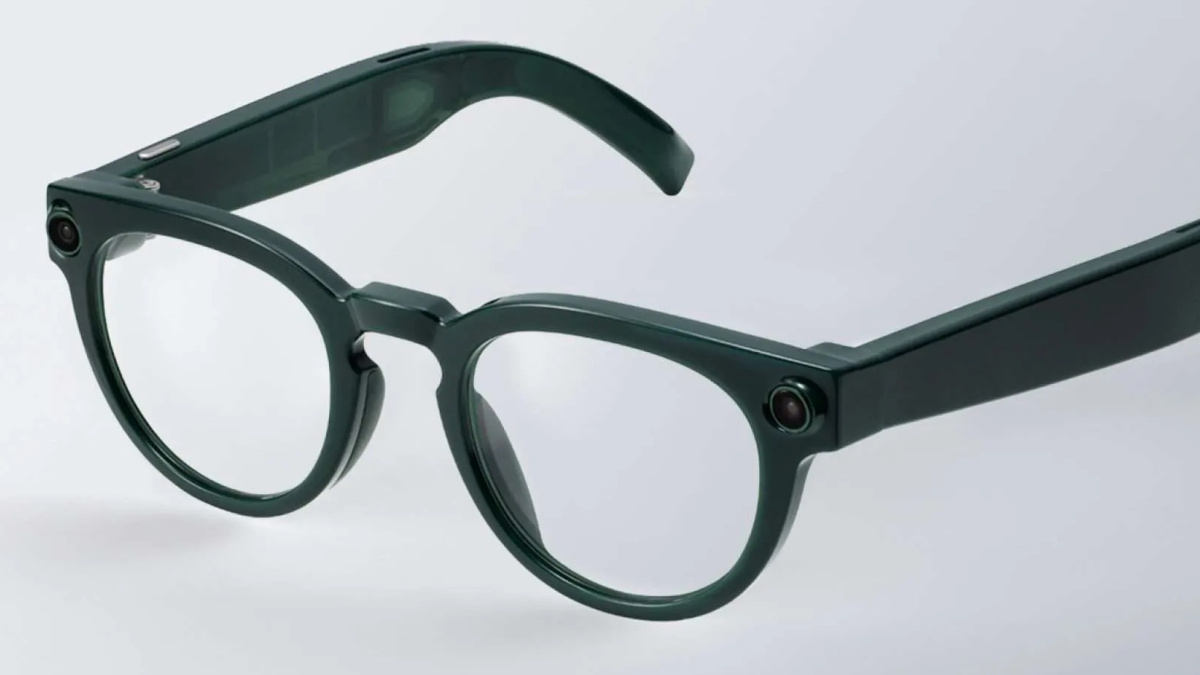
The new smart glasses introduced at Google I/O are the result of a collaboration with Samsung, featuring designs from well-known brands Gentle Monster and Warby Parker. These aren't just fashion statements; they're technological marvels packed with cameras, speakers, and microphones, all operating on the Android XR platform. What makes these glasses truly stand out is their integration with Gemini, Google's AI assistant, allowing them to 'see' and interpret visual data, provide real-time translations, and potentially revolutionize how we interact with the world.
Imagine walking through a foreign city and having your glasses automatically translate street signs and menus in real-time. Need directions? Just ask, and your glasses could project a map directly into your line of sight. While the price tag for these smart glasses remains a mystery, their expected release in fall 2026 suggests that Google is strategically planning to refine the technology and ensure a smooth user experience before launch.
Introducing Gemini 3.5 Flash
At the heart of Google's renewed AI focus is Gemini 3.5 Flash, a model designed specifically for coding and automation. Google's ambitious goal? To outpace existing tools like Claude Code and Codex by offering a solution that's significantly more affordable. According to Google, Gemini 3.5 Flash cuts costs by about half, a claim that could democratize access to powerful AI tools for developers and businesses alike.
The reduction in subscription fees for Google's top-tier AI services from $250 to $200 a month aligns with this vision, making advanced AI capabilities more accessible. This price adjustment brings Google's offerings in line with competitors like OpenAI and Anthropic, signaling a competitive pricing strategy aimed at attracting a broader user base.
AI-Powered Browsing
Google's AI ambitions extend beyond just development tools; they have set their sights on transforming how we browse the internet. The company is developing autonomous AI agents capable of independently navigating the web, finding products, scheduling appointments, and more. Imagine an AI that can anticipate your needs, searching for the best deals, managing your schedule, and streamlining your online interactions without direct input. This represents a significant step towards a future where AI not only supports but enhances our daily digital interactions.
Context: European Tech Angle
While Google charts its course, similar AI advancements are gaining momentum across Europe. Companies on the continent are exploring wearable technology and AI-enhanced customer service, seeking to leverage AI in everyday gadgets much like Google's smart glasses. As Google's innovations set new standards, European tech firms aiming for a global presence may find themselves both challenged and inspired to elevate their own AI offerings.
In particular, the integration of AI into consumer gadgets could serve as a benchmark, prompting European companies to innovate further. This could lead to a wave of AI-driven products and services that cater not just to tech enthusiasts but to a broader audience eager for smarter, more intuitive technology.
What This Means for You
For developers and tech enthusiasts, Gemini 3.5 Flash represents a significant opportunity to access cutting-edge AI tools at a more affordable price. This could lead to a surge in AI-driven projects, fostering innovation across various industries. Lower costs mean that even small startups or individual developers can experiment with AI, creating new applications and services that may have been financially out of reach before.
For those intrigued by wearable tech, the upcoming release of Google's smart glasses might be worth the wait. With AI capabilities built-in, these glasses could offer a blend of convenience, connectivity, and futuristic functionality, potentially outpacing current market offerings.
What's Still Unclear
Despite Google's detailed vision, several unanswered questions remain. The exact pricing and specific release date for the smart glasses remain under wraps, leaving potential customers guessing. Additionally, there’s uncertainty about how Google's new AI tools and tech will integrate with existing systems and applications. Will they seamlessly blend with our current tech ecosystems, or will there be growing pains?
Moreover, as AI becomes more pervasive, considerations around privacy and data security come to the forefront. How will Google address these concerns as its AI tools become more deeply embedded in our daily lives? These are critical questions that both consumers and industry analysts will be watching closely.
Why This Matters
Google's aggressive push into AI, through both consumer gadgets and developer tools, signifies a major shift in the tech landscape. By cutting costs and enhancing features, Google is not only setting new industry standards but also potentially opening the floodgates for widespread AI adoption. This isn't just about keeping pace with competitors; it's about setting the stage for the next era of technological innovation.
For consumers, this means more accessible, integrated, and intelligent technology that could redefine how we interact with the digital world. For developers, it represents a chance to harness powerful AI capabilities to drive forward new, innovative solutions. As Google continues to evolve, the impact of its AI initiatives will likely ripple across industries, shaping the future of technology in ways we are just beginning to imagine.
Discuss this story
Got a take, a correction, or a follow-up tip? Reply where you read — we read everything.
Found an error? File a correction at /corrections. Substantive corrections are logged publicly.
One short email. The most important AI news, fact-checked, no fluff. Free, unsubscribe anytime.
More from AI
Perplexity Pro vs ChatGPT Plus: Which AI Assistant Fits Your Workflow?
This guide lays out the strengths and approaches of Perplexity Pro and ChatGPT Plus, helping you identify which AI assistant aligns with your specific needs.
Claude Pro vs Google Gemini Advanced: Which AI Assistant Deserves Your Subscription?
This definitive guide cuts through the marketing to give you a fair, balanced breakdown of Claude Pro and Gemini Advanced, letting you decide which AI best fits your workflow.
Claude Pro vs Google Gemini Advanced: Which AI Actually Earns Your Subscription?
Byte-Pulse lays out the real trade-offs between Claude Pro and Google Gemini Advanced, helping you pick the AI that fits your workflow, without picking for you.
ChatGPT Plus vs Google Gemini Advanced: Which AI Assistant Fits Your Workflow?
Deciding between ChatGPT Plus and Google Gemini Advanced? We break down the models, features, integrations, and pricing to help you align your choice with your specific priorities.
The Byte-Pulse Newsroom is the editorial system that produces Byte-Pulse's daily tech news coverage. Each story is cross-referenced across 3+ independent outlets, drafted with AI assistance by the newsroom system (Drafter → Editor → Fact-Checker → Polisher), and reviewed by Serhat Er, Editor-in-Chief, before publication. We disclose AI augmentation openly. Editorial accountability stays with the named editor on every article. Tips: editorial@byte-pulse.net.
Don’t miss these
Asus ROG Phone 9 vs Sony Xperia 1 VII: Which Niche Flagship Earns Your Money?
Deciding between the gaming-focused ROG Phone 9 and the creator-centric Xperia 1 VII? This guide breaks down every spec to help you choose.
Proton VPN vs NordVPN: Which One Earns Your Subscription?
A deep dive into Proton VPN and NordVPN, comparing their privacy, performance, features, and value, helping you make an informed decision.

Pokémon TCG Movie Signals Strategic Media Pivot for The Pokémon Company
A new Pokémon movie focused on the TCG is coming in 2027, marking a strategic pivot for the franchise as it navigates massive global fan engagement and logistical challenges.

Apple's AI Pivot: Vision Pro Content Cut, Siri Rebuilt Amid Layoffs
Apple's latest layoffs signal a strategic pivot, dialing back high-cost Vision Pro content while re-tooling Siri for the AI era. What's next for Apple?

D23 2026: Disney's Content Deluge Sparks Questions About Strategy
Byte-Pulse cuts through D23 hype: We dissect Disney's ambitious content slate, from Simpsons: Hit & Run to Ahsoka season 2, and question the real-world implications and European market strategy.
Honor Magic 8 Pro vs Samsung Galaxy S26 Ultra: Which Future Flagship Fits Your Wallet and Workflow?
Deciding between the anticipated Honor Magic 8 Pro and Samsung Galaxy S26 Ultra? Our deep dive into expected specs and features provides the fair comparison you need.