Texas AG Sues Netflix Over 'Illegal Data Collection'
State claims streaming giant built a 'surveillance system' to profit from user data, including kids'.


Texas AG Sues Netflix: Allegations of Data Misuse
Texas Attorney General Ken Paxton has taken aim at Netflix with allegations of illegal data collection practices. The lawsuit claims that Netflix has been secretly gathering user data without proper consent, including from children's accounts. If successful, this lawsuit could have significant implications for Netflix and the digital privacy landscape.
The allegations center on a purported "sophisticated surveillance system" that captures and monetizes Texans' personal data. According to the lawsuit, Netflix is accused of generating substantial revenue from selling consumer data to commercial data brokers and online advertising firms. Paxton emphasized the gravity of these allegations: "Netflix has built a surveillance program designed to illegally collect and profit from Texans' personal data without their consent. My office will do everything in our power to stop it."
Context: Growing Concerns Over Data Privacy
The backdrop to this lawsuit is a global focus on data privacy and regulatory compliance. There has been a push toward stringent data protection laws, particularly in the European Union with the General Data Protection Regulation (GDPR). In the United States, a patchwork of state regulations exists, with California leading through its California Consumer Privacy Act (CCPA). Texas's legal action signifies growing scrutiny of how tech companies handle user data.
Allegations Beyond Data Collection
The Texas lawsuit goes beyond data collection. It criticizes Netflix's use of features like autoplay, which allegedly manipulates viewer behavior, particularly among children. By automatically playing the next episode, Netflix keeps viewers, especially young ones, engaged longer than they might choose. Texas is seeking changes, including a requirement for Netflix to consider disabling autoplay by default on children's profiles and to cease the unauthorized collection and sale of user data.
Netflix's Response and Industry Implications
Netflix has yet to publicly respond to the lawsuit. Historically, the company has refuted claims of unauthorized data collection, maintaining adherence to strict privacy guidelines. However, the outcome of this legal battle could reshape industry standards for data privacy, forcing streaming services and tech companies to reevaluate their data collection and user engagement practices.
If Texas prevails, it may set a legal precedent impacting not just Netflix but other major streaming platforms. Companies like Amazon Prime Video, Disney+, and Hulu could face intensified scrutiny and potential lawsuits if their data handling practices do not align with emerging legal standards.
Potential Industry Changes:
- Stricter data collection regulations for streaming services
- Increased transparency regarding data usage
- Mandatory default settings prioritizing user privacy
- Enhanced consent protocols for data collection, especially for minors
Compared to Other Services
In light of the allegations against Netflix, it's essential to consider how its data collection practices compare with other streaming services. For instance, Disney+ has implemented robust parental controls requiring explicit consent before collecting data from child accounts. Additionally, Amazon Prime Video offers detailed privacy settings and transparency about data collected, including options to opt-out of personalized advertising. While Netflix is accused of employing manipulative tactics with its autoplay feature, competitors are taking proactive steps to protect user data and privacy.
- Disney+: Offers strict parental controls and explicit consent requirements for child accounts.
- Amazon Prime Video: Provides transparency regarding data collection and options to opt-out of personalized ads.
These comparative practices underscore a growing expectation for transparency and ethical data handling, which Netflix's current approach may not fulfill.
What This Means for You
For consumers, particularly parents concerned about their children's online safety, this lawsuit reflects the ongoing battle between individual privacy rights and corporate data-driven business models. As a Netflix user, the outcome could result in more robust data protection measures, greater transparency about how your information is used, and potentially more control over your personal data.
If Texas succeeds, it might encourage other states to pursue similar actions, leading to a more uniform approach to data privacy across the U.S. This could benefit consumers by standardizing privacy protections and consent requirements.
For developers and tech professionals, the implications are clear: the data privacy landscape is shifting, requiring compliance with emerging regulations. Companies that fail to adapt may become vulnerable to legal challenges and consumer backlash.
What's Still Unclear
While the lawsuit raises significant concerns, several questions remain unanswered:
- How will Netflix defend itself in court, and what legal strategies might it employ?
- What repercussions will a Texas victory have on other streaming services and tech companies?
- Will these legal actions prompt Netflix to modify its data collection practices voluntarily, and if so, how quickly?
These uncertainties highlight the complexity of regulating data privacy in a rapidly evolving digital environment. Legal processes and potential appeals could extend the timeline for definitive outcomes, leaving consumers and industry stakeholders in limbo.
Why This Matters: An Operator’s Perspective
From an operational standpoint, this lawsuit represents a critical inflection point in the conversation about digital privacy. This is not just a defensive move by Texas AG Paxton; it’s a clarion call for the tech industry to take user consent seriously. Growing regulatory pressure indicates a broader trend where consumers are increasingly aware of their rights and demanding transparency in how their personal data is used.
If Netflix does not proactively address these allegations and adapt its practices, it risks alienating a significant portion of its user base. As more states follow Texas's lead, the pressure will mount for streaming services to implement user-centric data policies prioritizing privacy. The industry must recognize that the days of ambiguous data practices are numbered, and companies that fail to adapt will find themselves on the wrong side of both the law and public opinion.
Editorial Take
The lawsuit filed by Texas Attorney General Ken Paxton against Netflix is a pivotal moment in the discussion about digital privacy. It highlights the tension between technological innovation and individual rights protection. Netflix must recognize that while its business model may depend on data collection, it cannot do so at the expense of user trust and compliance with emerging legal standards. As this legal battle unfolds, it will be crucial for both tech companies and consumers to stay informed and engaged in shaping the future of digital privacy.
Update — 2026-06-10
Since the lawsuit was filed, Netflix has publicly responded to the allegations, stating that they comply with all applicable laws regarding user data and privacy. The streaming giant emphasized its commitment to protecting user information and has highlighted its existing privacy policies. Meanwhile, the case has sparked a broader conversation about data privacy in the tech industry, with other companies reassessing their data collection practices in light of increasing scrutiny from regulators. This situation underscores the ongoing tension between user privacy rights and the data-driven business models that many tech companies rely on.
Editor-tracked discounts on the gadgets and gear worth buying right now.
See the deals →Discuss this story
Got a take, a correction, or a follow-up tip? Reply where you read — we read everything.
Found an error? File a correction at /corrections. Substantive corrections are logged publicly.
One short email. The most important Web & Apps news, fact-checked, no fluff. Free, unsubscribe anytime.
More from Web & Apps

D23 2026: Disney's Content Deluge Sparks Questions About Strategy
Byte-Pulse cuts through D23 hype: We dissect Disney's ambitious content slate, from Simpsons: Hit & Run to Ahsoka season 2, and question the real-world implications and European market strategy.

Spotify Relaunches AI Running Mode for iOS Premium Users
Spotify's new Running Mode for iOS uses AI to sync music with your stride, but its success hinges on AI quality and user input
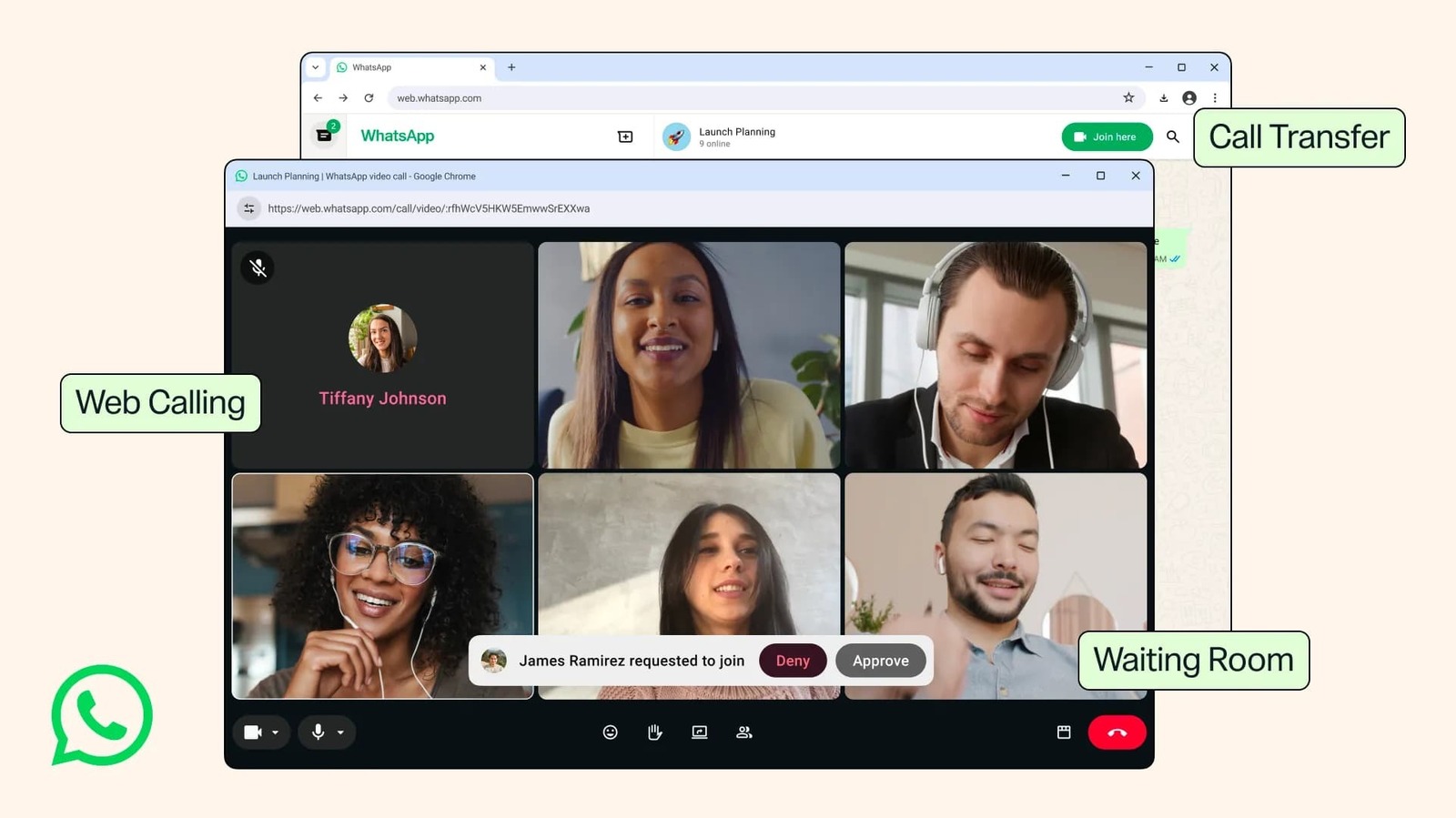
WhatsApp Web Gets Calls: Meta's Cross-Platform Play Begins
WhatsApp Web now supports encrypted calls, screen sharing, and call transfers. We dissect Meta's strategic shift and its implications for users and enterprise adoption in Europe.

Fox's $22 Billion Acquisition of Roku: A New Era in Streaming
Fox's acquisition of Roku for $22 billion marks a pivotal shift in streaming, merging content strength with platform reach.
The Byte-Pulse Newsroom is the editorial system that produces Byte-Pulse's daily tech news coverage. Each story is cross-referenced across 3+ independent outlets, drafted with AI assistance by the newsroom system (Drafter → Editor → Fact-Checker → Polisher), and reviewed by Serhat Er, Editor-in-Chief, before publication. We disclose AI augmentation openly. Editorial accountability stays with the named editor on every article. Tips: editorial@byte-pulse.net.
Don’t miss these
OnePlus 14 vs Samsung Galaxy S26: Which Flagship Earns Your Hard-Earned Cash?
Deciding between the OnePlus 14 and Samsung Galaxy S26? This guide cuts through the noise, laying out the facts so you can pick the perfect phone for your priorities.
Proton VPN vs NordVPN: Which One Earns Your Subscription?
A deep dive into Proton VPN and NordVPN, comparing their privacy, performance, features, and value, helping you make an informed decision.
Perplexity Pro vs ChatGPT Plus: Which AI Assistant Fits Your Workflow?
This guide lays out the strengths and approaches of Perplexity Pro and ChatGPT Plus, helping you identify which AI assistant aligns with your specific needs.

Pokémon TCG Movie Signals Strategic Media Pivot for The Pokémon Company
A new Pokémon movie focused on the TCG is coming in 2027, marking a strategic pivot for the franchise as it navigates massive global fan engagement and logistical challenges.

Apple's AI Pivot: Vision Pro Content Cut, Siri Rebuilt Amid Layoffs
Apple's latest layoffs signal a strategic pivot, dialing back high-cost Vision Pro content while re-tooling Siri for the AI era. What's next for Apple?
Nothing Phone 4 vs Google Pixel 11: Looking Ahead to the Next Generation
A speculative deep dive into what the Nothing Phone 4 and Google Pixel 11 might bring, offering a balanced look at their likely strengths and trade-offs for future buyers.