Hantavirus Outbreak on Cruise Ship: What You Need to Know
A deadly outbreak aboard MV Hondius raises alarms but experts say public risk remains low.


Hantavirus Outbreak on Cruise Ship: What You Need to Know
A recent outbreak of the Andes virus on the luxury cruise ship MV Hondius has brought hantavirus into the spotlight, capturing public attention and raising concerns about health protocols on cruise ships. With three fatalities from eight confirmed cases, the situation is alarming, yet experts assure the public that the risk of widespread infection remains minimal.
The Outbreak Unfolds
The outbreak began on the MV Hondius, a Dutch-flagged vessel, which embarked on its journey from Ushuaia, Argentina, on April 1. The ship is currently en route from Cape Verde to the Canary Islands, with its 147 passengers and crew confined to their cabins to prevent further spread of the virus. The first death associated with the virus was reported on April 11, rapidly escalating the situation into a significant health emergency that has drawn international attention.
Thirty passengers disembarked at St. Helena and are now under observation in several countries, including the United States. Meanwhile, Spanish authorities are preparing to assist when the ship docks in the Canary Islands. This response is crucial to managing potential cases and preventing the virus from spreading further. The situation recalls the early days of the COVID-19 pandemic, particularly the Diamond Princess incident, but with significant differences in transmission and risk levels.
Expert Assurance
To mitigate public concerns, health organizations like the World Health Organization (WHO) and the European Centre for Disease Prevention and Control have emphasized that the outbreak poses a limited threat to the general public. "This is not COVID," stated Maria Van Kerkhove, the WHO's acting director for epidemic and pandemic management. She highlighted the distinct transmission methods of hantaviruses, which primarily spread through contact with rodent excreta, not person-to-person transmission. The United States Centers for Disease Control and Prevention (CDC) echoed these sentiments, noting that the risk to Americans is "extremely low."
Understanding Hantavirus
Hantaviruses are a genus of viruses carried by rodents and can lead to serious illnesses in humans. These RNA viruses have various strains that occur across the globe. The Old World strains are found in Asia and Europe, while the New World strains, like the Andes virus, are prevalent in the Americas. The Andes virus, primarily found in Argentina, can cause Hantavirus Pulmonary Syndrome (HPS), a severe respiratory disease.
Transmission typically occurs through inhalation of dust contaminated with rodent urine, droppings, or saliva. In contrast to many other hantavirus strains, the Andes virus is capable of person-to-person transmission, though this is rare and usually requires close contact. This characteristic makes it slightly more concerning than other strains, warranting the heightened precautions being observed on the MV Hondius.
Context: Hantavirus in History
Hantaviruses have a storied history, first gaining international attention during the Korean War, where they caused hemorrhagic fever with renal syndrome (HFRS) among troops. In the United States, the virus made headlines in 1993 following an outbreak in the Four Corners region, which highlighted the virus's potential to cause serious disease.
More recently, hantavirus was in the news when Betsy Arakawa, musician and wife of actor Gene Hackman, succumbed to a hantavirus infection linked to a rodent infestation. These incidents underscore the importance of understanding and mitigating the risks associated with these viruses.
How It Compares
While the hantavirus outbreak on the MV Hondius may evoke memories of the COVID-19 pandemic, it is important to understand the fundamental differences. Unlike COVID-19, which spreads easily from person to person, hantavirus requires direct contact with rodent carriers or their secretions for transmission. This limits its potential to become a global pandemic.
- Transmission: Hantavirus is not airborne like COVID-19.
- Risk Level: The threat to the general community is low, unlike the widespread impact of COVID-19.
- Containment Measures: Strict measures, such as isolating the affected and comprehensive sanitation procedures, are effective in preventing further spread.
What's Still Unclear
Despite the efforts to control the outbreak, several questions remain unanswered:
- How did the initial infection occur on the MV Hondius?
- Are there more asymptomatic cases that have not been detected?
- How effective will disembarkation procedures be in containing the virus?
- What actions will authorities take once the ship arrives in the Canary Islands?
These uncertainties highlight the challenges in managing viral outbreaks in confined environments like cruise ships.
What This Means for You
For travelers and the general public, the MV Hondius incident serves as a reminder of the importance of maintaining vigilance in health protocols, especially when traveling. Although the risk of contracting hantavirus is low, understanding the differences in transmission and symptoms compared to more familiar viruses like COVID-19 is crucial.
For those planning to travel on cruises, it's essential to stay informed about health advisories and ensure that the cruise lines are adhering to robust health protocols to prevent outbreaks.
Editorial Take
As we continue to navigate the complexities of infectious diseases, the outbreak on the MV Hondius underscores the ongoing need for preparedness and effective communication. While the situation is under control and poses a minimal threat to the public, it is a stark reminder of how quickly such situations can develop. The key lies in understanding the nature of such viruses and implementing strong preventive measures, particularly in environments like cruise ships where the potential for rapid transmission exists.
Discuss this story
Got a take, a correction, or a follow-up tip? Reply where you read — we read everything.
Found an error? File a correction at /corrections. Substantive corrections are logged publicly.
One short email. The most important Science news, fact-checked, no fluff. Free, unsubscribe anytime.
More from Science
Quantum Computing Explained for Developers: A 2026 Update
Explore quantum computing fundamentals, hardware, and how it impacts software development in this comprehensive guide for developers.
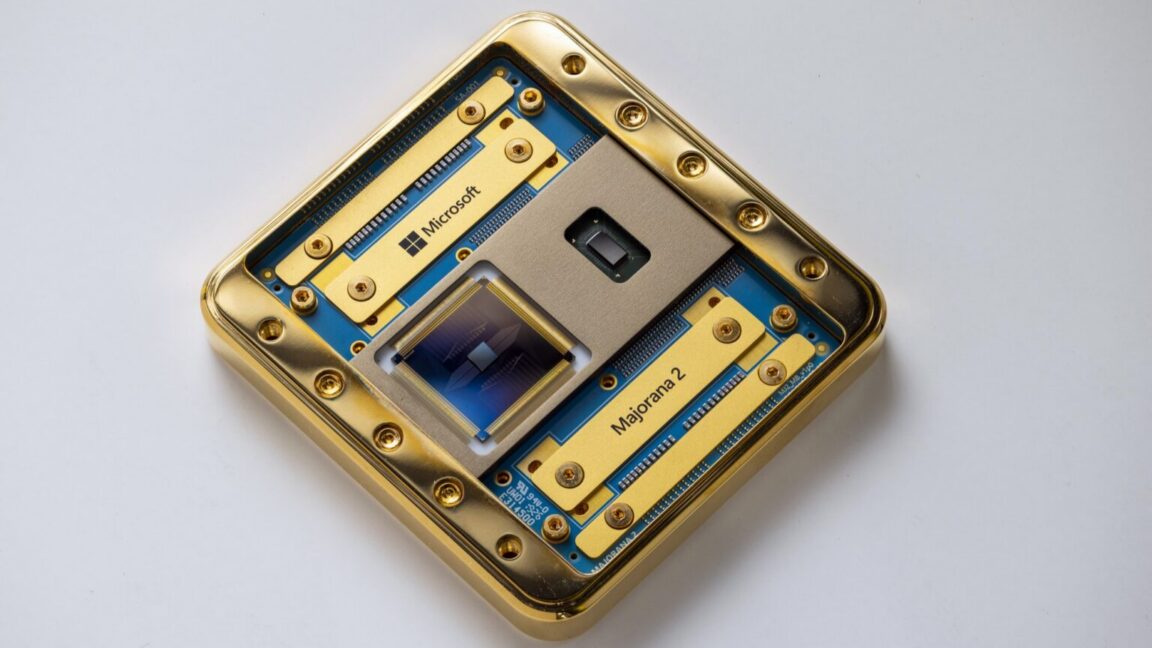
Quantum Computing Advances: Key Updates from Microsoft, Atom, and EeroQ
Microsoft, Atom Computing, and EeroQ share key updates in their quantum computing efforts, marking steady progress toward practical applications.

Star City Explores the Human Cost Behind the Soviet Space Program
Forget Mars colonies. Star City, the new spin-off from For All Mankind, dives deep into the gritty, dangerous, and often ethically complex world of the Soviet space program in the late 1960s.
A Gritty, High-Stakes Drama: Exploring the Soviet Space Program in Star City
Explore the untold story of the Soviet space program in Star City, a new Apple TV+ series that swaps the familiar American perspective for a gritty, high-stakes drama centered on its visionary, yet constrained, leadership.
The Byte-Pulse Newsroom is the editorial system that produces Byte-Pulse's daily tech news coverage. Each story is cross-referenced across 3+ independent outlets, drafted with AI assistance by the newsroom system (Drafter → Editor → Fact-Checker → Polisher), and reviewed by Serhat Er, Editor-in-Chief, before publication. We disclose AI augmentation openly. Editorial accountability stays with the named editor on every article. Tips: editorial@byte-pulse.net.
Don’t miss these
Asus ROG Phone 9 vs Sony Xperia 1 VII: Which Niche Flagship Earns Your Money?
Deciding between the gaming-focused ROG Phone 9 and the creator-centric Xperia 1 VII? This guide breaks down every spec to help you choose.
Proton VPN vs NordVPN: Which One Earns Your Subscription?
A deep dive into Proton VPN and NordVPN, comparing their privacy, performance, features, and value, helping you make an informed decision.
Perplexity Pro vs ChatGPT Plus: Which AI Assistant Fits Your Workflow?
This guide lays out the strengths and approaches of Perplexity Pro and ChatGPT Plus, helping you identify which AI assistant aligns with your specific needs.

Pokémon TCG Movie Signals Strategic Media Pivot for The Pokémon Company
A new Pokémon movie focused on the TCG is coming in 2027, marking a strategic pivot for the franchise as it navigates massive global fan engagement and logistical challenges.

Apple's AI Pivot: Vision Pro Content Cut, Siri Rebuilt Amid Layoffs
Apple's latest layoffs signal a strategic pivot, dialing back high-cost Vision Pro content while re-tooling Siri for the AI era. What's next for Apple?
Honor Magic 8 Pro vs Samsung Galaxy S26 Ultra: Which Future Flagship Fits Your Wallet and Workflow?
Deciding between the anticipated Honor Magic 8 Pro and Samsung Galaxy S26 Ultra? Our deep dive into expected specs and features provides the fair comparison you need.