Homo Erectus Proteins Reveal Denisovan DNA Link
Ancient proteins in teeth suggest Denisovans passed on Homo erectus DNA.

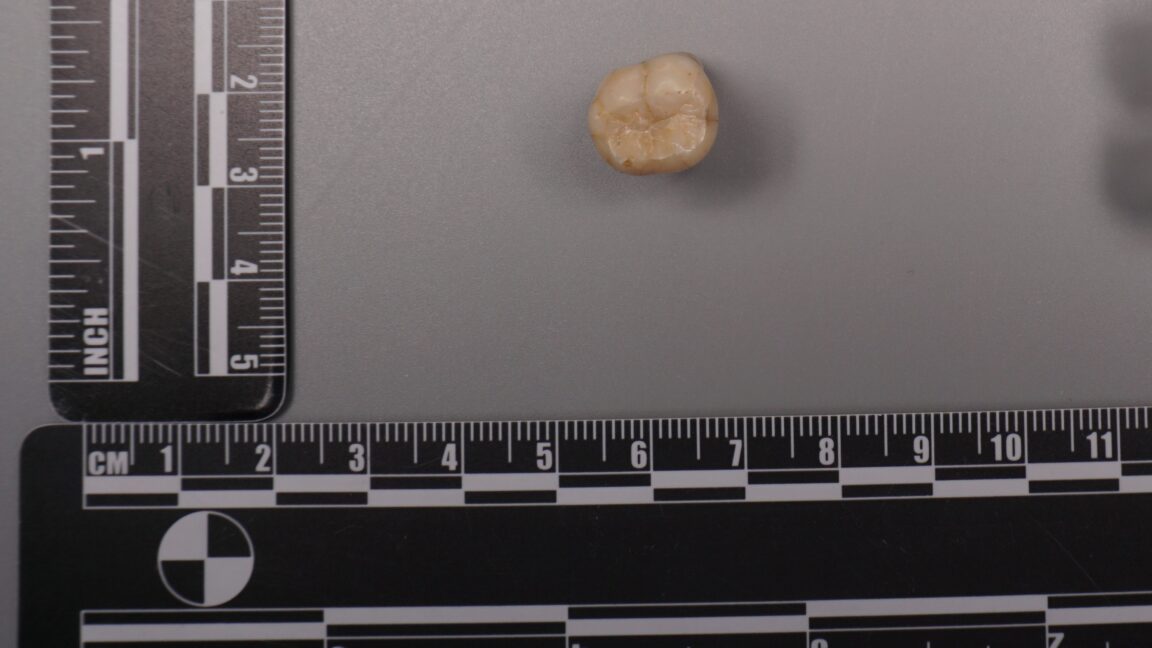
Humanity's evolutionary journey continues to unravel its secrets as researchers uncover clues from the distant past. Recent findings suggest that proteins from the teeth of Homo erectus may hold the key to understanding how Denisovans passed on DNA to modern humans. This discovery is not just a scientific curiosity; it potentially reshapes our understanding of human ancestry and the intricate tapestry of our genetic heritage.
Ancient DNA: A Fragmented Puzzle
The study of ancient DNA has significantly advanced our understanding of human history, albeit with some limitations. As early humans ventured out of Africa, they interbred with Neanderthals and Denisovans. However, the genetic trail often runs cold, leaving scientists to speculate about the existence of other hominin groups that may have influenced these interactions. Evidence suggests that Denisovans themselves had interbred with even earlier groups, leading researchers to question the identity of these mysterious ancestors. This has long been a subject of intrigue, as it points to a complex web of prehistoric interbreeding that is not yet fully understood.
The degradation of DNA over millennia presents a formidable challenge in piecing together this puzzle. DNA tends to degrade rapidly, especially in warmer climates, which makes it difficult to recover usable samples from ancient specimens. Thus, while DNA analysis has illuminated many aspects of human ancestry, it leaves significant gaps in the timeline. To fill these gaps, scientists have increasingly turned to alternative biomolecules like proteins, which can survive the ravages of time better than DNA.
The Role of Proteins in Unraveling Human Ancestry
Proteins, unlike DNA, can be preserved in robust structures such as bones and teeth even after thousands or millions of years. By examining proteins, specifically those in tooth enamel, scientists can glean amino acid sequences from specimens up to two million years old. This methodological shift has opened new avenues for understanding human evolution.
In a recent groundbreaking study, a group of Chinese researchers analyzed microscopic samples from Homo erectus teeth dating back approximately 400,000 years. The samples were meticulously compared to Denisovan specimens. Their analysis revealed fragments of enamel proteins from both groups, suggesting that Homo erectus may have been the previously unidentified group that contributed genetic material to the Denisovans. This genetic exchange likely played a significant role in shaping the DNA that Denisovans passed on to modern humans.
The European Connection and Broader Implications
This discovery adds a new layer to our understanding of human ancestry, showcasing the complexities of ancient interbreeding. For Europe, where Homo erectus once roamed, these findings could offer insights into regional evolutionary history and the genetic makeup of early Europeans. The implications are significant, as they provide a new perspective on how ancient human groups interacted across vast geographic expanses.
- Homo erectus spread across Eurasia over a million years ago.
- Denisovans interbred with both Neanderthals and Homo erectus.
- Proteins provide a new avenue for studying ancient human interactions.
This research underscores the potential of protein analysis to illuminate the past, offering a clearer picture of the genetic landscape that shaped modern humans. It raises the possibility that other, yet-to-be-identified hominin groups might have similarly influenced human evolution, suggesting a more intricate web of prehistoric encounters than previously thought.
What This Means for You
For those interested in human ancestry and the origins of modern populations, this research highlights the intricate web of interactions that shaped our genetic heritage. As science delves deeper into ancient proteins, we may gain a clearer picture of how these early human groups influenced modern populations. This knowledge enriches our understanding of where we come from and how interconnected our history truly is. Keep an eye on future studies that could further unravel the complexities of our past, potentially revealing new connections and insights into human evolution.
What's Still Unclear
Despite these exciting findings, several questions remain unanswered. How widespread was the interbreeding between Homo erectus and Denisovans? What was the nature of these interactions, and how did they impact subsequent human evolution? Moreover, the geographic extent and the specific timeline of these interbreeding events remain largely speculative. As research in this area progresses, we can expect more revelations that will refine our understanding and potentially introduce new elements to the narrative of human descent.
Additionally, the role of other hominin groups that might have contributed to the Denisovan genome is still a mystery. The possibility that there were multiple waves of interbreeding with different groups adds complexity to the picture. Understanding these dynamics is crucial, as it helps build a more comprehensive view of our evolutionary history.
Editorial Take
The exploration of ancient proteins as a tool for unraveling human ancestry is a testament to the innovative approaches being employed in evolutionary biology. This research not only enriches our knowledge of Homo erectus and their interactions with Denisovans but also opens up new possibilities for discovering other, previously unknown interactions. As the scientific community continues to refine these methods and uncover new evidence, we are reminded of the deep interconnectedness of human history and the shared journey that has led to the present day. The story of our past is far from complete, but with each discovery, we move closer to understanding the full narrative of human evolution.
Discuss this story
Got a take, a correction, or a follow-up tip? Reply where you read — we read everything.
Found an error? File a correction at /corrections. Substantive corrections are logged publicly.
One short email. The most important Science news, fact-checked, no fluff. Free, unsubscribe anytime.
More from Science
Quantum Computing Explained for Developers: A 2026 Update
Explore quantum computing fundamentals, hardware, and how it impacts software development in this comprehensive guide for developers.
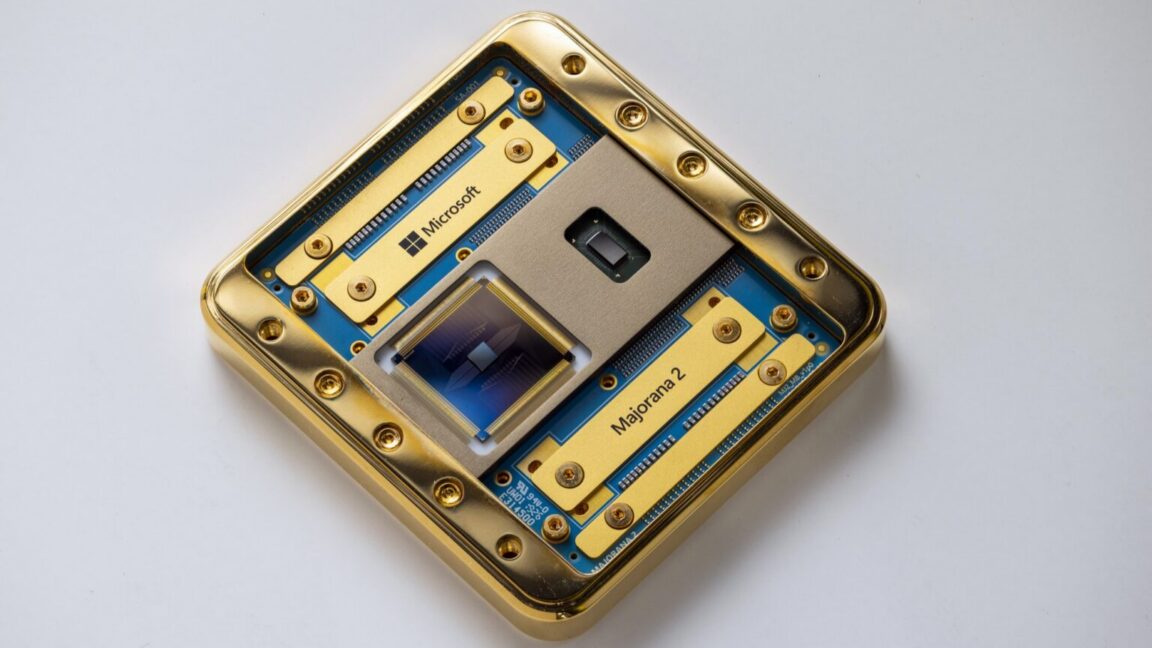
Quantum Computing Advances: Key Updates from Microsoft, Atom, and EeroQ
Microsoft, Atom Computing, and EeroQ share key updates in their quantum computing efforts, marking steady progress toward practical applications.

Star City Explores the Human Cost Behind the Soviet Space Program
Forget Mars colonies. Star City, the new spin-off from For All Mankind, dives deep into the gritty, dangerous, and often ethically complex world of the Soviet space program in the late 1960s.
A Gritty, High-Stakes Drama: Exploring the Soviet Space Program in Star City
Explore the untold story of the Soviet space program in Star City, a new Apple TV+ series that swaps the familiar American perspective for a gritty, high-stakes drama centered on its visionary, yet constrained, leadership.
The Byte-Pulse Newsroom is the editorial system that produces Byte-Pulse's daily tech news coverage. Each story is cross-referenced across 3+ independent outlets, drafted with AI assistance by the newsroom system (Drafter → Editor → Fact-Checker → Polisher), and reviewed by Serhat Er, Editor-in-Chief, before publication. We disclose AI augmentation openly. Editorial accountability stays with the named editor on every article. Tips: editorial@byte-pulse.net.
Don’t miss these
Motorola Edge 60 Ultra vs OnePlus 13: Which Android Flagship Fits Your Priorities?
Motorola Edge 60 Ultra and OnePlus 13 both aim for top-tier Android. We cut through the marketing to reveal the true differences, helping you choose.
Proton VPN vs NordVPN: Which One Earns Your Subscription?
A deep dive into Proton VPN and NordVPN, comparing their privacy, performance, features, and value, helping you make an informed decision.
Perplexity Pro vs ChatGPT Plus: Which AI Assistant Fits Your Workflow?
This guide lays out the strengths and approaches of Perplexity Pro and ChatGPT Plus, helping you identify which AI assistant aligns with your specific needs.

Pokémon TCG Movie Signals Strategic Media Pivot for The Pokémon Company
A new Pokémon movie focused on the TCG is coming in 2027, marking a strategic pivot for the franchise as it navigates massive global fan engagement and logistical challenges.

Apple's AI Pivot: Vision Pro Content Cut, Siri Rebuilt Amid Layoffs
Apple's latest layoffs signal a strategic pivot, dialing back high-cost Vision Pro content while re-tooling Siri for the AI era. What's next for Apple?
Sony Xperia 1 VII vs iPhone 18 Pro: Which Flagship Fits Your Creative Flow?
Deciding between Sony's creator-centric Xperia 1 VII and Apple's powerful iPhone 18 Pro? We break down every spec and feature, neutrally.