Judge Questions Musk's $200M SEC Deal Amid Political Concerns
A federal judge wants to know if Elon Musk's hefty settlement with the SEC was tainted by Trump-era politics. And why a trust, not Musk, is on the hook.

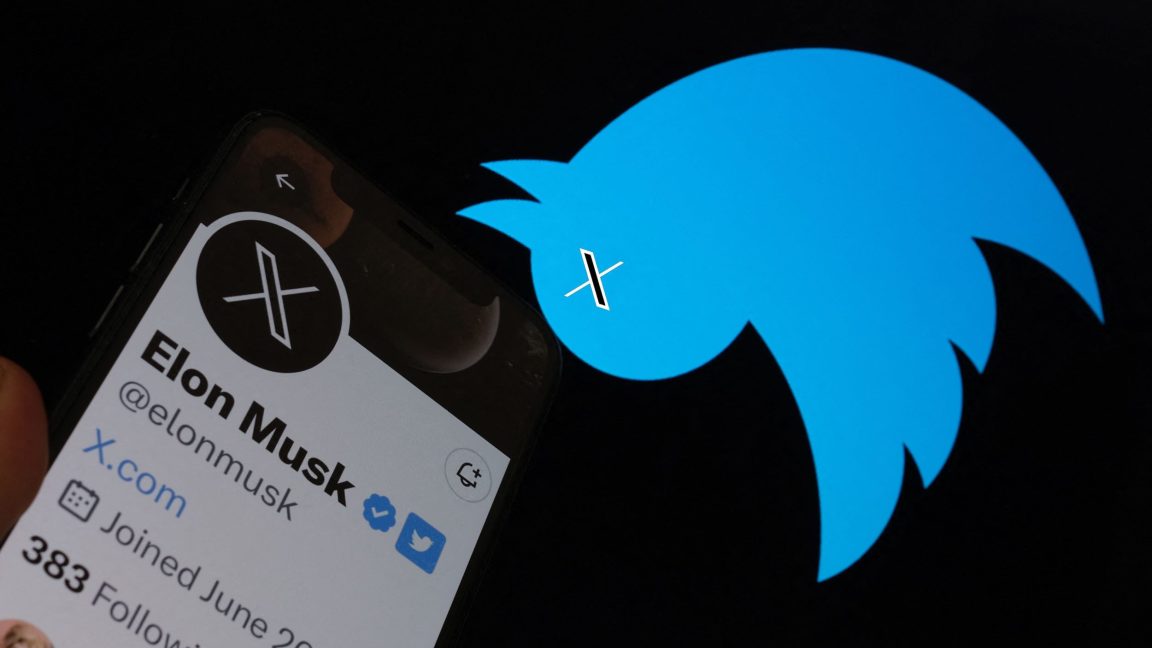
Judge Questions Musk's $200M SEC Deal Amid Political Concerns
Elon Musk, the enigmatic CEO of Tesla and SpaceX, finds himself at the center of another legal storm, as a federal judge raises questions regarding his $200 million settlement with the U.S. Securities and Exchange Commission (SEC). The focus of the court's inquiry is whether this settlement, brokered during the Trump administration, was influenced by political pressures or improper collusion. As Musk navigates this latest courtroom challenge, the implications extend beyond his personal fate, potentially affecting broader regulatory practices.
The Legal Background
The origins of the dispute trace back to January 2025, when the SEC filed a lawsuit against Musk, alleging a violation of a strict liability rule. Such rules do not require proof of intent, making the breach the central issue. This legal action occurred just as President Biden's term neared its conclusion, adding a layer of political complexity to the case. Musk, known for his combative legal strategies, attempted to transfer the proceedings to Texas, a state perceived as more favorable to business interests. However, the court denied this motion, maintaining the case's original jurisdiction.
Judge Sooknanan, who presides over this matter, is scrutinizing the terms of the settlement. He has ordered both Musk and the SEC to provide detailed explanations by June 1, notably questioning the rationale behind the use of a trust linked to Musk rather than involving him directly in the settlement. This curiosity extends to the fairness and adequacy of the agreement, probing whether it was free from any potential "improper collusion or corruption." The SEC's attorney, Nicholas Grippo, has acknowledged the validity of these inquiries, emphasizing the agency's readiness to respond.
The Court's Concerns
Judge Sooknanan's queries delve into the mechanics of how the $200 million settlement figure was reached and why it involves a trust associated with Musk instead of directly implicating him. This arrangement raises eyebrows, particularly in light of an executive order from the Trump administration that compelled independent agencies like the SEC to adhere to presidential directives. The judge's scrutiny reflects an awareness of this historical context, where the independence of regulatory bodies was perceived as being under potential influence.
The broader implications of this legal examination are significant. If the court determines that the settlement process was compromised, it might prompt a reevaluation of other deals brokered during the Trump era. This could lead to increased scrutiny of settlements involving high-profile figures and corporations, potentially setting a precedent for how such agreements are evaluated in the future.
Context: European Angle
The ramifications of this case extend beyond U.S. borders, capturing the attention of European regulators. The European Union has historically taken a stringent stance on corporate accountability and regulatory enforcement. This U.S. case could serve as a benchmark for EU regulators as they contemplate their approach to settlements with influential tech leaders. The outcome might inspire similar demands for transparency and fairness in European regulatory practices, influencing how transatlantic business operations are governed.
What This Means for You
For investors and tech enthusiasts, the stakes of this legal battle are significant. Should the court overturn the settlement, Tesla's stock might experience volatility, reflecting uncertainty about Musk's leadership. Additionally, Musk's reputation, already a subject of intense public scrutiny, could be further tarnished. The case underscores the potential impact of regulatory actions on market dynamics and investor confidence, highlighting the need for stakeholders to remain informed and vigilant.
Moreover, the case serves as a reminder of the complex interplay between regulatory bodies and the tech industry. The scrutiny of Musk's settlement highlights the ongoing struggle between ensuring corporate accountability and fostering innovation. Investors, consumers, and policymakers alike must navigate this landscape, balancing the benefits of technological advancement with the necessity of regulatory oversight.
What's Still Unclear
Despite the court's inquiry, many questions remain unanswered. For instance, the precise method used to arrive at the $200 million settlement figure is not yet clear. Additionally, the specific contents and purpose of the trust linked to Musk are shrouded in mystery, leaving room for speculation about its role in the settlement. Furthermore, the potential implications for regulatory practices in both the U.S. and Europe remain uncertain, as the case continues to unfold.
These unresolved issues underscore the complexity of the regulatory environment and the challenges faced by both corporations and regulators in navigating it. As the legal proceedings progress, stakeholders will be watching closely to see how these questions are addressed and what precedent they might set for future cases.
Editorial Take
As this legal drama unfolds, it serves as a poignant illustration of the tensions between regulatory oversight and corporate power. The scrutiny of Musk's settlement highlights the critical role that transparency and accountability play in maintaining public trust and market stability. Regardless of the court's ultimate decision, the case will likely have far-reaching implications for corporate governance and regulatory practices.
For tech leaders and regulators alike, this case is a reminder of the importance of fostering a culture of integrity and accountability. As the world becomes increasingly reliant on technology and innovation, ensuring that these advancements are guided by ethical principles will be paramount in shaping a sustainable and equitable future.
Editor-tracked discounts on the gadgets and gear worth buying right now.
See the deals →Discuss this story
Got a take, a correction, or a follow-up tip? Reply where you read — we read everything.
Found an error? File a correction at /corrections. Substantive corrections are logged publicly.
One short email. The most important Web & Apps news, fact-checked, no fluff. Free, unsubscribe anytime.
More from Web & Apps

D23 2026: Disney's Content Deluge Sparks Questions About Strategy
Byte-Pulse cuts through D23 hype: We dissect Disney's ambitious content slate, from Simpsons: Hit & Run to Ahsoka season 2, and question the real-world implications and European market strategy.

Spotify Relaunches AI Running Mode for iOS Premium Users
Spotify's new Running Mode for iOS uses AI to sync music with your stride, but its success hinges on AI quality and user input

WhatsApp Web Gets Calls: Meta's Cross-Platform Play Begins
WhatsApp Web now supports encrypted calls, screen sharing, and call transfers. We dissect Meta's strategic shift and its implications for users and enterprise adoption in Europe.
Fox's $22 Billion Acquisition of Roku: A New Era in Streaming
Fox's acquisition of Roku for $22 billion marks a pivotal shift in streaming, merging content strength with platform reach.
The Byte-Pulse Newsroom is the editorial system that produces Byte-Pulse's daily tech news coverage. Each story is cross-referenced across 3+ independent outlets, drafted with AI assistance by the newsroom system (Drafter → Editor → Fact-Checker → Polisher), and reviewed by Serhat Er, Editor-in-Chief, before publication. We disclose AI augmentation openly. Editorial accountability stays with the named editor on every article. Tips: editorial@byte-pulse.net.
Don’t miss these
Xiaomi 16 Pro vs iPhone 18 Pro: Which Flagship Fits Your World?
Deciding between the Xiaomi 16 Pro and iPhone 18 Pro? We break down every spec and trade-off, so you can make the choice that's right for you.
Proton VPN vs NordVPN: Which One Earns Your Subscription?
A deep dive into Proton VPN and NordVPN, comparing their privacy, performance, features, and value, helping you make an informed decision.
Perplexity Pro vs ChatGPT Plus: Which AI Assistant Fits Your Workflow?
This guide lays out the strengths and approaches of Perplexity Pro and ChatGPT Plus, helping you identify which AI assistant aligns with your specific needs.

Pokémon TCG Movie Signals Strategic Media Pivot for The Pokémon Company
A new Pokémon movie focused on the TCG is coming in 2027, marking a strategic pivot for the franchise as it navigates massive global fan engagement and logistical challenges.

Apple's AI Pivot: Vision Pro Content Cut, Siri Rebuilt Amid Layoffs
Apple's latest layoffs signal a strategic pivot, dialing back high-cost Vision Pro content while re-tooling Siri for the AI era. What's next for Apple?
Motorola Edge 60 Ultra vs OnePlus 13: Which Android Flagship Fits Your Priorities?
Motorola Edge 60 Ultra and OnePlus 13 both aim for top-tier Android. We cut through the marketing to reveal the true differences, helping you choose.