New Google Home Speaker vs. Nest Audio: Features and Competitive Edge
Examining Features, Design, and User Experience of Google's Latest Smart Speaker

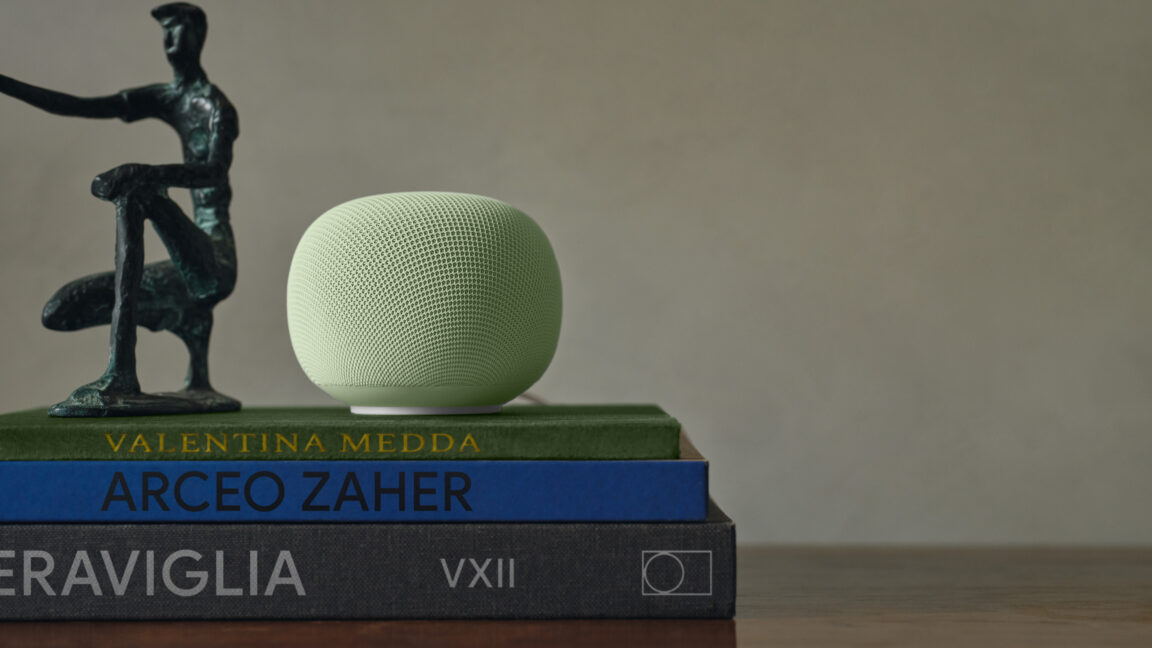
Comparing the New Google Home Speaker and Nest Audio: A Detailed Review
The new Google Home Speaker, launched on June 25, 2023, is making waves in the smart speaker market. It's not just an upgrade from the Nest Audio; it's a strategic pivot for Google in a landscape teeming with options. Reports from Ars Technica, Engadget, 9to5Google, and Caschy's Blog suggest that this device represents a significant step forward in design, functionality, and user experience.
How the New Google Home Speaker Sets Itself Apart from Nest Audio
Available for preorder at $100, the new Google Home Speaker matches the launch price of the Nest Audio, which came out in September 2020. This price point is telling; it suggests Google is keen on keeping its offerings accessible while still delivering new features. However, industry insiders speculate that Google may phase out the Nest Audio and the Nest Mini, signaling a streamlining of their smart speaker lineup (9to5Google). This move reflects a recognition that modern consumers expect more than just a speaker; they want an integrated ecosystem that offers tangible benefits.
Design Evolution
The new Google Home Speaker departs from the Nest Audio’s rectangular design, opting instead for a compact oblate spheroid shape. This new form factor is wrapped in fabric made from partially recycled materials (Ars Technica), aligning with growing consumer demand for sustainable products. The design makeover isn't just aesthetic; it transforms the speaker into a home accessory that blends seamlessly into various interior styles, moving beyond its identity as a mere tech gadget.
One of the most noticeable changes is the light ring at the base of the new speaker, which glows when it listens or responds. This replaces the hidden indicator lights behind the mesh of the Nest Audio, providing a clear visual cue that enhances user interaction (Engadget). This small but significant change underscores Google's focus on improving the user experience.
Key Features That Enhance the Google Home Speaker Experience
The new Google Home Speaker isn't just a pretty face; it packs substantial upgrades under the hood. A key highlight is its 360-degree audio capability. Unlike the directional output of the Nest Audio, this feature offers a consistent sound experience throughout the room (Engadget). This is a boon for users who desire great sound without the hassle of optimal positioning.
Technological Upgrades
The speaker runs on a quad-core A55 processor clocked at 2 GHz and includes a dedicated Neural Processing Unit (NPU). This hardware upgrade supports local AI models for better sound isolation, addressing common issues with smart speakers mishearing commands (Ars Technica). The integration of three far-field microphones further enhances voice recognition, making interaction smoother and more reliable.
The centerpiece of these upgrades is the integration of Gemini AI. Unlike the traditional Google Assistant, Gemini offers more complex query handling and smoother interactions. This appeals to users seeking a digital assistant that can juggle multiple tasks (Engadget). It’s an ambitious step that aims to redefine what users expect from their smart speaker interactions.
Compared to: The Competition
Stacking the new Google Home Speaker against competitors like Amazon's Echo and Apple's HomePod reveals a competitive landscape. Amazon's Echo is renowned for its robust smart home integration, while the Echo Dot offers similar features at a potentially lower price point. Meanwhile, Apple's HomePod mini provides exceptional audio quality with seamless integration into the Apple ecosystem, though it lacks the advanced AI functionalities promised by Google's Gemini (9to5Google).
Google's challenge is to justify its $100 price tag amid these options. The 360-degree audio and enhanced AI are strong selling points, but they need to resonate with consumers who might prioritize cost or ecosystem compatibility.
Real-World Use
Consider a typical day: you wake up and ask your smart speaker for the weather, news, and calendar updates while preparing breakfast. With the new Google Home Speaker, the sound follows you around the room, and the AI understands your context better, requiring fewer repetitive commands. The light ring visually confirms that the device is actively listening, adding to the seamless experience. For those hosting a dinner party, the 360-degree sound ensures everyone enjoys the music equally, regardless of where they are in the room.
Why the 360-Degree Audio Capability is a Significant Development
The introduction of 360-degree audio is more than just a technical specification; it's a shift in how users experience sound in their homes. With the Nest Audio's directional approach, users often needed to position the speaker just right for optimal sound. The new capability allows for a more immersive experience, adapting to different room layouts (Engadget).
This feature is particularly beneficial for social gatherings or casual listening, where users might move around the room. It ensures that whether you're sitting, standing, or moving, the audio quality remains consistent. This adaptability could be a decisive factor for users seeking a versatile audio solution.
How Google Aims to Improve User Interaction with AI Advancements
The integration of Gemini AI is perhaps the most exciting aspect of the new Google Home Speaker. By offering more nuanced, context-aware conversations, Gemini reduces the need for repetitive hotword triggers, making the device a more intuitive part of the home.
What This Means for You
For users, this means less frustration with misunderstood commands and a more natural interaction. Imagine asking your speaker to "play my workout playlist" while already in the middle of another task, and it seamlessly transitions without needing to shout the wake word repeatedly. This kind of fluid interaction is what Google aims to achieve, setting a new standard for smart speakers.
What's Still Unclear
Despite these advancements, some questions remain. How will the speaker's performance hold up in various home environments with different acoustics? Will the AI continue to improve over time, or will it require frequent updates? And how will privacy concerns be addressed with the more advanced AI capabilities?
These uncertainties may influence potential buyers, especially those wary of privacy issues or concerned about the longevity of tech investments. Google's track record suggests ongoing support and updates, but until users see these promises fulfilled, some skepticism may linger.
Final Take
The new Google Home Speaker represents a thoughtful evolution in Google's smart speaker lineup. By addressing design, audio quality, and AI interaction, Google is positioning this device as a worthy contender in a crowded market. The challenge will be convincing users that these improvements justify the investment, especially when weighed against established competitors.
For those embedded in Google’s ecosystem or seeking advanced AI capabilities, the new Google Home Speaker offers compelling reasons to upgrade. However, for users satisfied with existing devices or committed to other ecosystems, the decision may not be as straightforward. As the smart speaker market continues to evolve, the ultimate test will be how these devices integrate into our daily lives and enhance our interactions with technology.
Sources cross-referenced
This story was synthesised from reporting by 4 outlets:
1. Ars Technica 2. Engadget 3. 9to5Google 4. Caschys Blog
Discuss this story
Got a take, a correction, or a follow-up tip? Reply where you read — we read everything.
Found an error? File a correction at /corrections. Substantive corrections are logged publicly.
One short email. The most important Hardware news, fact-checked, no fluff. Free, unsubscribe anytime.
More from Hardware

Apple's AI Pivot: Vision Pro Content Cut, Siri Rebuilt Amid Layoffs
Apple's latest layoffs signal a strategic pivot, dialing back high-cost Vision Pro content while re-tooling Siri for the AI era. What's next for Apple?

Povasee A30 Jump Starter: A 50-Euro Deal With 5,000A Claims Under Scrutiny
The Povasee A30 jump-start power bank, on offer at Amazon for under 50 Euros, claims 5,000A peak current. We scrutinize this deal against real-world expectations.

Ugreen's 200W Charger: Powerhouse or Marketing Hype?
We analyze the Ugreen 200W charger's technical prowess, real-world utility, and the Amazon deal, highlighting its strengths and limitations

Victorinox Amazon Deals: Tactics or True Value?
Byte-Pulse examines Amazon's Victorinox deals, dissecting the true value of the Swiss Card Lite and Synergy X Alox against market trends.
The Byte-Pulse Newsroom is the editorial system that produces Byte-Pulse's daily tech news coverage. Each story is cross-referenced across 3+ independent outlets, drafted with AI assistance by the newsroom system (Drafter → Editor → Fact-Checker → Polisher), and reviewed by Serhat Er, Editor-in-Chief, before publication. We disclose AI augmentation openly. Editorial accountability stays with the named editor on every article. Tips: editorial@byte-pulse.net.
Don’t miss these
Proton Mail vs Gmail: Which Email Service Fits Your Digital Life?
Unsure about Proton Mail vs Gmail? We break down security, features, pricing, and daily use so you can confidently pick the email service that aligns with your priorities.
Perplexity Pro vs ChatGPT Plus: Which AI Assistant Fits Your Workflow?
This guide lays out the strengths and approaches of Perplexity Pro and ChatGPT Plus, helping you identify which AI assistant aligns with your specific needs.

Pokémon TCG Movie Signals Strategic Media Pivot for The Pokémon Company
A new Pokémon movie focused on the TCG is coming in 2027, marking a strategic pivot for the franchise as it navigates massive global fan engagement and logistical challenges.

Apple's 'Deep Discounts': US Inventory Flush, Not European Bargains
Byte-Pulse examines Apple's recent US sales, revealing that 'deep discounts' on popular devices like the iPhone 17 Pro and M3 iPad Air are less about consumer savings and more about clearing stock ahead of new launches. We critically assess whether these offers translate to real value for European buyers.

D23 2026: Disney's Content Deluge Sparks Questions About Strategy
Byte-Pulse cuts through D23 hype: We dissect Disney's ambitious content slate, from Simpsons: Hit & Run to Ahsoka season 2, and question the real-world implications and European market strategy.
Claude Pro vs Google Gemini Advanced: Which AI Assistant Deserves Your Subscription?
This definitive guide cuts through the marketing to give you a fair, balanced breakdown of Claude Pro and Gemini Advanced, letting you decide which AI best fits your workflow.