Pixel Launcher: Is Google Finally Killing the Home Screen Search Bar?
A fresh leak points to a long-requested option to ditch the persistent Google search on Pixel phones with Android 17.

Pixel Launcher: Is Google Finally Killing the Home Screen Search Bar?
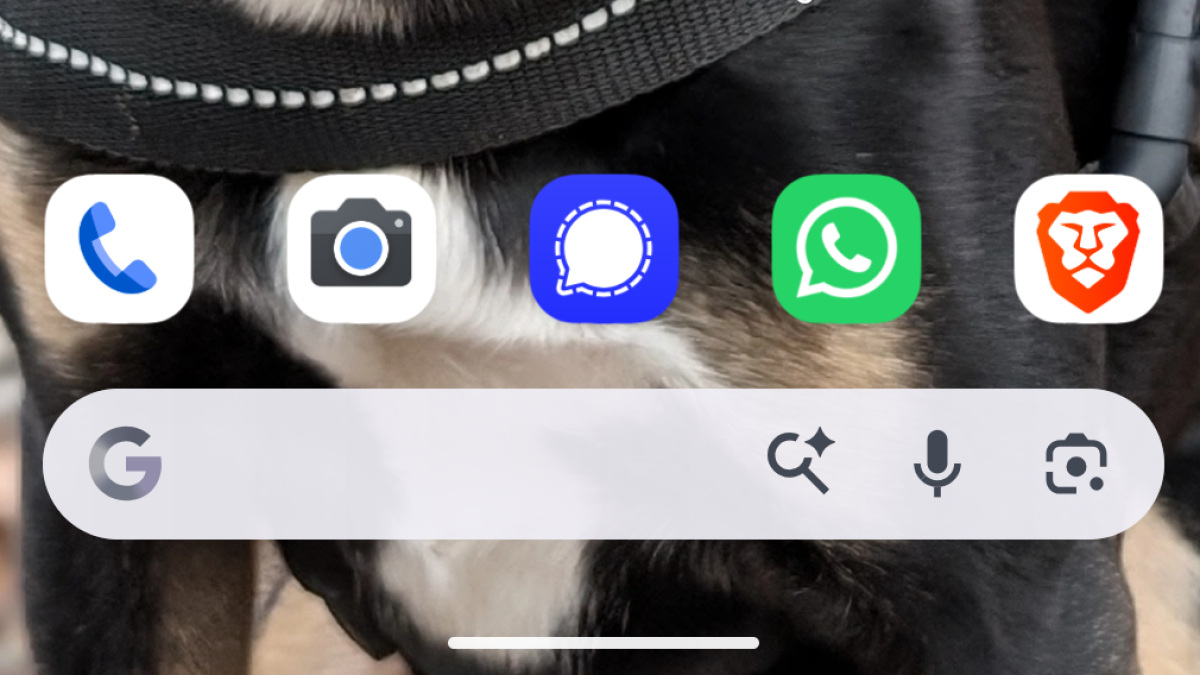
For many years, Pixel users have had a constant companion on their home screens — the Google search bar. It's been a fixture, immovable and ever-present, at the bottom of the screen. For some, it's a handy tool, a direct line to the vast resources of Google Search. For others, it's an annoyance, a stubborn piece of real estate that they can't customize or remove. This aspect of the Pixel's interface has prompted much debate and feedback among users who seek more control over their devices.
But change might be on the horizon. According to a recent leak sourced from Mystic Leaks, Google could be preparing to let Pixel owners finally remove this omnipresent feature with the anticipated Android 17 update. This potential shift points to a significant evolution in how users interact with their Pixel devices.
Leak Points to New Freedom
The buzz around this potential change stems from Mystic Leaks, which claims to have access to an unreleased Android 17 QPR1 build. Within this build, there's reportedly a settings menu that doesn't just offer minor tweaks to the search bar but provides the option to turn it off entirely. This would be a considerable change, as it would allow app icons to shift downward, effectively utilizing the screen real estate more efficiently. The "At a Glance" widget, a staple of the Pixel home screen, could also get more prominence, making the home screen look cleaner and more functional.
If this leak holds true, it signals a major victory for customization enthusiasts. For users who don't regularly use the search bar, the option to remove it would be a welcome change, offering a level of personalization that has long been missing from the Pixel lineup. This would align with broader industry trends where consumer demand for personalization and flexibility is increasingly influencing tech design.
Context: The Tech Industry's Push for Customization
The move towards greater customization reflects a broader trend in the tech industry. Users are no longer content with static, one-size-fits-all interfaces. Instead, they demand devices that can be tailored to their personal preferences and usage patterns. This shift is part of a larger consumer desire for technology that adapts to individual needs rather than forcing users to adapt their behaviors around rigid systems. In Europe, particularly, this trend is mirrored by regulatory pushes for more user-centric designs, challenging companies to rethink their approach to device interfaces.
Status Check
However, users should manage their expectations as no official confirmation from Google has been released. The second beta of Android 17 QPR1 still features the search bar with no apparent disable option. Mystic Leaks maintains that the code to remove the search bar is present in the beta's source, suggesting that this option might be included in the final release.
This uncertainty is not uncommon in software development, where features can appear, disappear, and morph throughout the beta testing phases. Still, Mystic Leaks’ assertions add weight to the possibility that Google is at least considering this change seriously.
Pixel's Launcher: A Quick Look
The Pixel phone series is known for its clean, simple Android experience, often described as "stock Android." This aesthetic is deliberate, emphasizing Google's ecosystem with services like Google Assistant and Google Photos front and center. For many users, this design works perfectly, offering a seamless and intuitive user experience. However, for others, particularly those less integrated into Google's services, the unmovable search bar has been a persistent annoyance.
What's Still Unclear
- Final Implementation: Will this disabling option make it into the final Android 17 release? This remains uncertain given the ongoing beta testing stage.
- Impact on User Experience: How will this change impact the overall user experience? A more customizable home screen could significantly enhance user satisfaction, but it's unclear how this will be balanced with Google's design principles.
- Future Customizations: Is Google considering similar customization options for other default features in Android? There’s no indication yet, but it could set a precedent for more personalized Android experiences.
What This Means for You
If Google indeed rolls out this feature, Pixel users will gain significant control over their home screen layouts. This change would mean more than just removing an unwanted element; it represents an acknowledgment of user feedback and a shift towards more user-driven design principles. Such flexibility could enhance the Pixel's appeal, positioning it as a more competitive option in the crowded smartphone market.
For those who value personalization, this potential update could allow users to tailor their home screens according to their needs, whether that means dedicating more space to frequently used apps or simply enjoying a cleaner, less cluttered interface.
Editorial Take
Google's potential move to allow the removal of the search bar from Pixel home screens marks a significant shift in the company's approach to user interface design. While the outcome is still not confirmed, the implications are noteworthy. By listening to user feedback and adapting accordingly, Google could enhance the Pixel's appeal and user satisfaction. In a market where software experience is a key differentiator, offering more customization options could be a smart move for Google, aligning the company with the growing demand for personalized technology experiences.
Cases, chargers and AirPods alternatives the editors actually use.
Shop mobile gear →Discuss this story
Got a take, a correction, or a follow-up tip? Reply where you read — we read everything.
Found an error? File a correction at /corrections. Substantive corrections are logged publicly.
One short email. The most important Mobile news, fact-checked, no fluff. Free, unsubscribe anytime.
More from Mobile
OnePlus 14 vs Samsung Galaxy S26: Which Flagship Earns Your Hard-Earned Cash?
Deciding between the OnePlus 14 and Samsung Galaxy S26? This guide cuts through the noise, laying out the facts so you can pick the perfect phone for your priorities.
Nothing Phone 4 vs Google Pixel 11: Looking Ahead to the Next Generation
A speculative deep dive into what the Nothing Phone 4 and Google Pixel 11 might bring, offering a balanced look at their likely strengths and trade-offs for future buyers.
Google Pixel 11 Pro vs Samsung Galaxy S26 Ultra: Which Apex Flagship Fits Your World?
Deciding between Google's AI-powered Pixel 11 Pro and Samsung's feature-packed Galaxy S26 Ultra demands a clear-eyed look at what truly matters to you.
iPhone 18 Pro vs Samsung Galaxy S26: Which High-End Phone Really Earns Your Dollar?
Navigating the choice between the iPhone 18 Pro and Samsung Galaxy S26? We cut through the noise, laying out the facts so you can make an informed decision.
The Byte-Pulse Newsroom is the editorial system that produces Byte-Pulse's daily tech news coverage. Each story is cross-referenced across 3+ independent outlets, drafted with AI assistance by the newsroom system (Drafter → Editor → Fact-Checker → Polisher), and reviewed by Serhat Er, Editor-in-Chief, before publication. We disclose AI augmentation openly. Editorial accountability stays with the named editor on every article. Tips: editorial@byte-pulse.net.
Don’t miss these
Proton VPN vs NordVPN: Which One Earns Your Subscription?
A deep dive into Proton VPN and NordVPN, comparing their privacy, performance, features, and value, helping you make an informed decision.
Perplexity Pro vs ChatGPT Plus: Which AI Assistant Fits Your Workflow?
This guide lays out the strengths and approaches of Perplexity Pro and ChatGPT Plus, helping you identify which AI assistant aligns with your specific needs.

Pokémon TCG Movie Signals Strategic Media Pivot for The Pokémon Company
A new Pokémon movie focused on the TCG is coming in 2027, marking a strategic pivot for the franchise as it navigates massive global fan engagement and logistical challenges.

Apple's AI Pivot: Vision Pro Content Cut, Siri Rebuilt Amid Layoffs
Apple's latest layoffs signal a strategic pivot, dialing back high-cost Vision Pro content while re-tooling Siri for the AI era. What's next for Apple?

D23 2026: Disney's Content Deluge Sparks Questions About Strategy
Byte-Pulse cuts through D23 hype: We dissect Disney's ambitious content slate, from Simpsons: Hit & Run to Ahsoka season 2, and question the real-world implications and European market strategy.
Notion vs Obsidian: Which Knowledge Hub Fits Your Workflow?
Deciding between Notion and Obsidian? We break down the core differences in philosophy, data ownership, collaboration, and extensibility to help you choose.