The Boys: TV Adaptation Divides Fans on Comic Fidelity
Five seasons in, fans say Amazon's 'The Boys' TV show just isn't the comic.


When Amazon first announced a TV series based on Garth Ennis's acclaimed comic series, The Boys, fans got hyped. How would that edgy, brutal narrative translate to the screen? Five seasons in, though? A lot of viewers are pretty disappointed. They say the show's strayed too far from the comics' original story and tone.
A Tale of Two Mediums
The Boys comics, by Garth Ennis and Darick Robertson, are famous for their biting critique of superhero culture and corporate greed. The comics actually show superheroes as literal commodities. Owned by Vought American, a nefarious corporation. Vought's all about profit, not heroism. Amazon's TV show, on the other hand? It shifts focus. More about individual power dynamics, especially Homelander's rise to control.
For instance, the comic series often delves deeply into the grotesque realities of a society that idolizes these so-called "heroes," showcasing how moral corruption seeps into every aspect of their world. The TV adaptation, however, tends to emphasize character-driven narratives, particularly centering around Homelander, whose unchecked power and psychological issues resonate differently on screen than they do in print.
The TV series alters key story elements. Big changes to Vought American's role. Different character dynamics. Has the show even captured the original's themes? Fans and critics are still arguing about it.
Character Changes
Billy Butcher, for one. A significant deviation there. The comics give us a complex figure, driven by deep personal vendettas. The TV series pretty much simplifies him, changing his motivations. His wife, Becca, alive in the show? That changes everything for his character arc, fundamentally.
In the comics, Butcher is a man deeply scarred by loss, his wife's death being the catalyst for his vendetta against superheroes. This paints him as a tragic figure, consumed by hatred. The show, by keeping Becca alive, adds layers to his character but simultaneously alters his fundamental motivations. This change shifts Butcher's narrative from one of pure revenge to a complex tale of love, loss, and redemption.
- The show's focus on Homelander's personal power contrasts sharply with the comics' corporate critique. Big difference.
- Political stuff in the series? Yeah, it's there. But fans often see it as less nuanced than the comics' broader themes.
- Systemic issues vs. individual bad guys. Fans noticed the shift.
The comics address broader systemic corruption, portraying superheroes as tools of a capitalist society gone awry. In contrast, the TV series humanizes the conflict, often reducing it to personal vendettas and psychological dramas. This shift can make the show feel more like a character study than a societal critique.
Context: The European Perspective
Europeans, they're pretty particular about adaptations. They scrutinize cultural and thematic fidelity. The Boys comes from a British-Irish comic tradition, known for its dark humor and sharp societal critique. Hard to translate that to American TV. Marketability, you know? It often dictates creative choices.
European audiences are familiar with the dark humor and biting satire that Ennis is known for, traits that are sometimes softened in the TV adaptation, likely to cater to a broader, possibly less accustomed global audience. This can result in a narrative that feels less raw and more polished, potentially diluting the original's impact.
Softened corporate critique? European fans might find the series less impactful compared to the comics' raw portrayal. Just another example of cultural narratives getting tweaked for a perceived 'global audience.'
What This Means for You
Loved the comics? Brace yourself. The TV series is a different experience. The narrative's shift might actually appeal to those new to The Boys universe. But comic purists? You'll probably want more depth. It's a stark reminder of the liberties adaptations often take. Changes the tone, the whole message.
For new viewers, the TV series offers an engaging, albeit different, entry point into The Boys universe. The focus on character development and interpersonal drama might appeal to those less interested in the original's satirical edge. However, for fans of the source material, the deviation could feel like a betrayal of the comic's core themes.
What's Still Unclear
- Will future adaptations of graphic novels actually stick closer to their source material?
- Is Amazon going to listen to fan feedback in potential future projects?
- Can we even balance creative adaptation with narrative fidelity?
As streaming platforms continue to adapt popular graphic novels and comics, these questions linger. The success of these adaptations often depends on finding that delicate balance between staying true to the original material and crafting a narrative that resonates with a wider, often more diverse audience.
Why This Matters
This whole Boys debate? It's about adaptation fidelity, plain and simple. The creative choices made to turn a beloved comic into a TV series highlight some serious tensions. Maintaining narrative integrity versus appealing to a broader audience. More adaptations are coming. Understanding these dynamics is crucial. For creators, for fans. For everyone.
As more beloved titles make their way from page to screen, the conversation around adaptation will only grow more complex. Navigating these waters requires sensitivity to the original material while acknowledging the new possibilities that a different medium offers. Whether this evolution is seen as a betrayal or a fresh take largely depends on individual perspectives. Either way, the ongoing discussion around The Boys is emblematic of a larger trend in the entertainment industry, one that continues to challenge creators and engage audiences worldwide.
Editor-tracked discounts on the gadgets and gear worth buying right now.
See the deals →Discuss this story
Got a take, a correction, or a follow-up tip? Reply where you read — we read everything.
Found an error? File a correction at /corrections. Substantive corrections are logged publicly.
One short email. The most important Web & Apps news, fact-checked, no fluff. Free, unsubscribe anytime.
More from Web & Apps

D23 2026: Disney's Content Deluge Sparks Questions About Strategy
Byte-Pulse cuts through D23 hype: We dissect Disney's ambitious content slate, from Simpsons: Hit & Run to Ahsoka season 2, and question the real-world implications and European market strategy.

Spotify Relaunches AI Running Mode for iOS Premium Users
Spotify's new Running Mode for iOS uses AI to sync music with your stride, but its success hinges on AI quality and user input
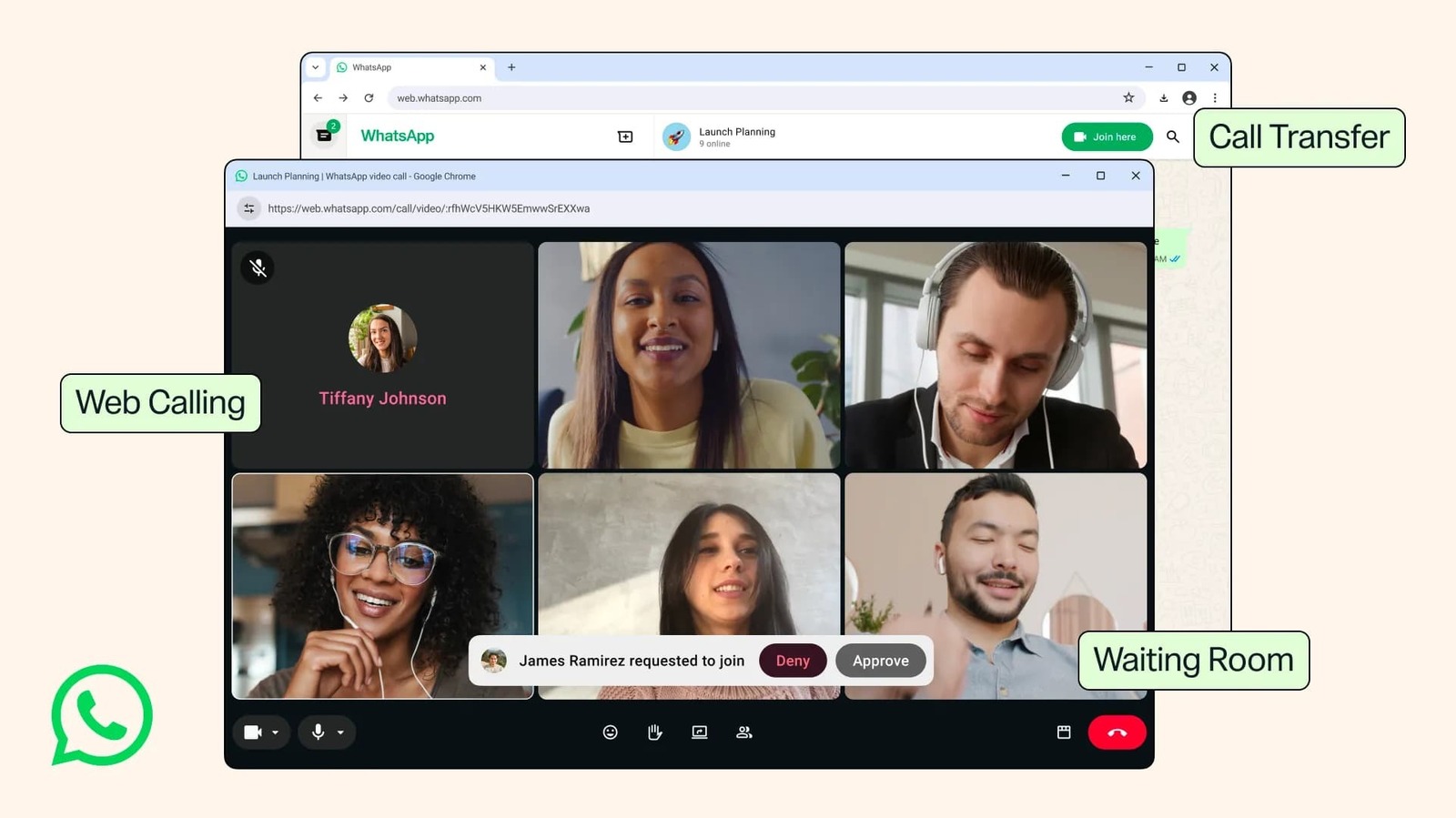
WhatsApp Web Gets Calls: Meta's Cross-Platform Play Begins
WhatsApp Web now supports encrypted calls, screen sharing, and call transfers. We dissect Meta's strategic shift and its implications for users and enterprise adoption in Europe.

Fox's $22 Billion Acquisition of Roku: A New Era in Streaming
Fox's acquisition of Roku for $22 billion marks a pivotal shift in streaming, merging content strength with platform reach.
The Byte-Pulse Newsroom is the editorial system that produces Byte-Pulse's daily tech news coverage. Each story is cross-referenced across 3+ independent outlets, drafted with AI assistance by the newsroom system (Drafter → Editor → Fact-Checker → Polisher), and reviewed by Serhat Er, Editor-in-Chief, before publication. We disclose AI augmentation openly. Editorial accountability stays with the named editor on every article. Tips: editorial@byte-pulse.net.
Don’t miss these
Asus ROG Phone 9 vs Sony Xperia 1 VII: Which Niche Flagship Earns Your Money?
Deciding between the gaming-focused ROG Phone 9 and the creator-centric Xperia 1 VII? This guide breaks down every spec to help you choose.
Proton VPN vs NordVPN: Which One Earns Your Subscription?
A deep dive into Proton VPN and NordVPN, comparing their privacy, performance, features, and value, helping you make an informed decision.
Perplexity Pro vs ChatGPT Plus: Which AI Assistant Fits Your Workflow?
This guide lays out the strengths and approaches of Perplexity Pro and ChatGPT Plus, helping you identify which AI assistant aligns with your specific needs.

Pokémon TCG Movie Signals Strategic Media Pivot for The Pokémon Company
A new Pokémon movie focused on the TCG is coming in 2027, marking a strategic pivot for the franchise as it navigates massive global fan engagement and logistical challenges.

Apple's AI Pivot: Vision Pro Content Cut, Siri Rebuilt Amid Layoffs
Apple's latest layoffs signal a strategic pivot, dialing back high-cost Vision Pro content while re-tooling Siri for the AI era. What's next for Apple?
Honor Magic 8 Pro vs Samsung Galaxy S26 Ultra: Which Future Flagship Fits Your Wallet and Workflow?
Deciding between the anticipated Honor Magic 8 Pro and Samsung Galaxy S26 Ultra? Our deep dive into expected specs and features provides the fair comparison you need.