Valve's Steam Machine: Pricing and Reservation Strategy Analyzed
Explore the differences among Valve's Steam Machine models and their implications for gamers.

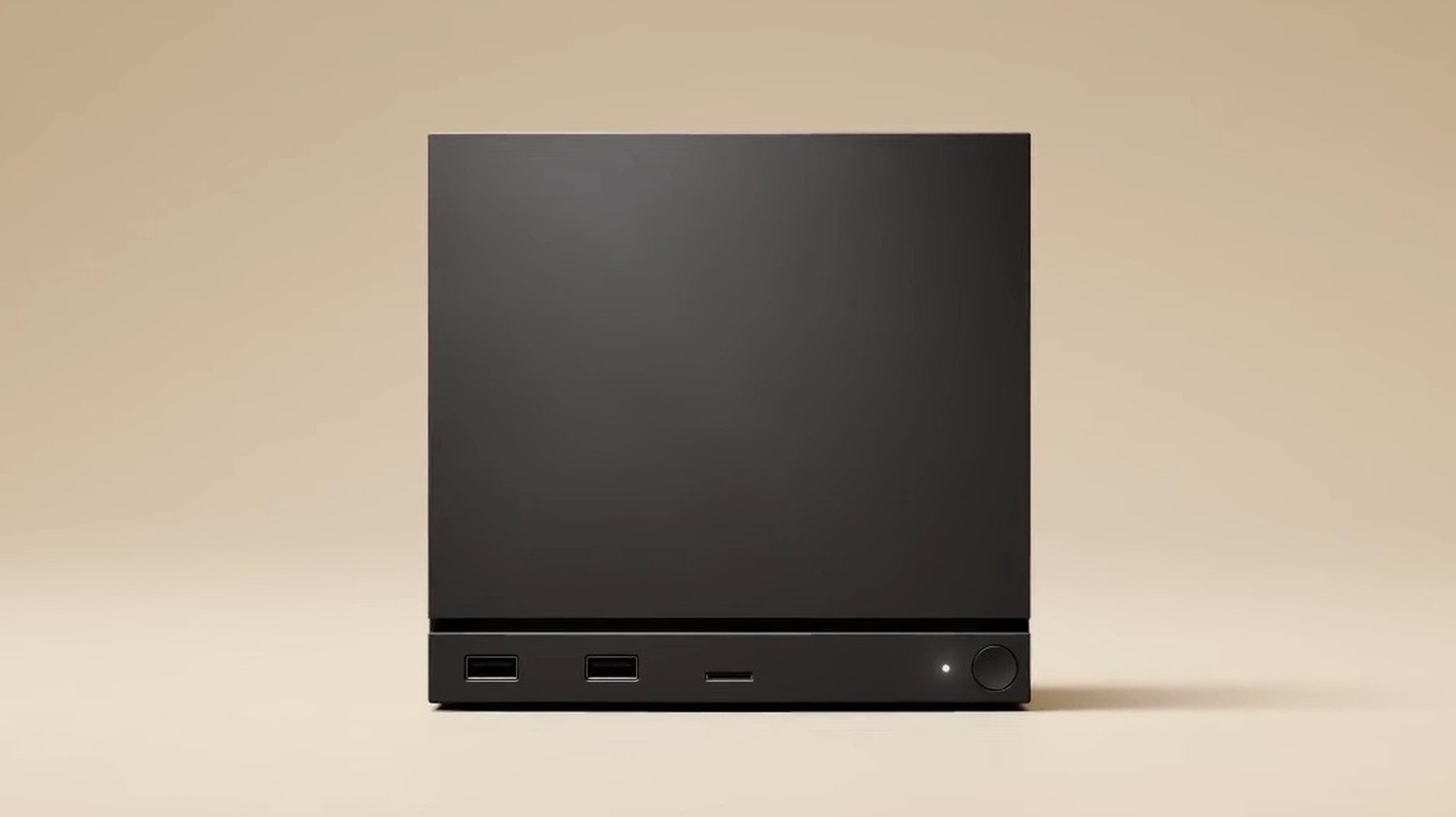
Valve's Steam Machine: Pricing and Reservation Strategy Explained
Valve's Steam Machine has caught the attention of gamers and industry insiders alike with its unique pricing and reservation strategy. The Steam Machine, available in two main configurations, differs primarily in terms of storage capacity and pricing. This has led to discussions about Valve's market strategy, especially in the context of ongoing component shortages and the persistent issue of scalping in the gaming hardware market.
Pricing Breakdown: What You Get for $1,049 Versus $1,128
The base model of the Steam Machine kicks off at $1,049 with a 512GB storage option, excluding the [Steam Controller](/article/valve-s-new-steam-controller-tackles-drift-for-99). Opting for the controller increases the price to $1,128, which includes a $21 discount on the controller that typically retails for $99. This pricing strategy highlights a broader industry trend where high demand has driven up prices across the gaming hardware landscape.
For those requiring more storage, the 2TB model is priced at $1,349 without the controller, and $1,428 with it. The significant price increase between the 512GB and 2TB models raises questions about the value proposition of the additional storage, especially given that the core specifications remain unchanged across both models. Gamers, many of whom are price-sensitive, might find themselves comparing this to other high-performance consoles like the Xbox Series X, which provides a comparable gaming experience at similar price points.
Understanding Valve's Lottery System for Steam Machine Reservations
Valve's introduction of a lottery system for Steam Machine reservations is designed to ensure a fair purchasing process. To participate, potential buyers must have a Steam account in good standing and must have made a purchase prior to April 27, 2026. The reservation window remains open until June 25, 2026, at 1 PM ET. This system is intended to mitigate the impact of scalping and automated bots, which have marred previous product launches across the tech industry.
However, this approach introduces a level of unpredictability that can be frustrating for some consumers. While Valve's focus on fairness is admirable, the lottery system means that potential buyers are left waiting with no guarantee of securing a unit. Many prefer the certainty of immediate purchase options, which this system does not provide.
Why the 2TB Model is a Significant Upgrade for Gamers
The 2TB storage option represents a substantial upgrade for gamers with extensive game libraries. Although both models share identical hardware, the larger storage capacity enables users to install more demanding games without the need to constantly manage disk space. Additionally, Valve offers customization options such as alternate faceplates in red fabric or solid walnut, allowing for a degree of personalization that appeals to many users.
Nevertheless, it's important to note that not every game will run flawlessly on the Steam Machine. While users can access their entire Steam library, game performance will vary depending on each title's graphical requirements and the machine's capabilities. This consideration is vital for gamers deciding between the base model and the larger capacity 2TB version.
The Implications of Valve's Reservation Strategy on Scalping
Valve's lottery system is a direct response to the scalping issues that frequently accompany tech launches. By introducing an element of randomness, Valve aims to prevent those with fast internet connections or automated systems from monopolizing the available units. This initiative demonstrates Valve's commitment to ensuring fair access to its gaming hardware.
However, the system's complexity could inadvertently exclude some potential buyers, particularly those who may struggle with the reservation process or lack the technical know-how required to navigate it successfully. There is a risk that the very consumers Valve aims to support may feel marginalized by this system.
Comparing Steam Machine Specs: What Stays the Same Across Models
Despite the differences in pricing and storage, all configurations of the Steam Machine share core specifications. Each model is equipped with a semi-custom AMD Zen 4 CPU featuring 6 cores and 12 threads, an AMD RDNA3 GPU with 28 compute units, 16GB of DDR5 RAM, and 8GB of GDDR6 VRAM. This consistency is crucial for ensuring a reliable gaming experience, especially in conjunction with Valve's Steam Deck-like verification program that assesses game compatibility.
The uniform hardware setup simplifies the user experience by reducing confusion over specs. However, it also raises questions about whether Valve is missing an opportunity to attract a broader audience by not offering customizable options that might appeal to hardcore gamers.
Compared to: Steam Machine vs. Xbox Series X
When looking at potential competitors, the Xbox Series X stands out as a major rival in the gaming console market. Priced around €499 in Europe, the Xbox Series X offers a similar level of performance with its 8-core AMD Zen 2 CPU and 12 teraflops RDNA 2 GPU. It also comes with 1TB of storage, expandable via proprietary expansion cards. While the Steam Machine offers a more PC-like experience with the flexibility of the Steam platform, the Xbox's integrated ecosystem and potentially lower price point make it a formidable competitor.
Price-wise, the Xbox Series X presents a more budget-friendly option for those not needing the Steam Machine's higher storage capacities or its PC gaming flexibility. However, the Steam Machine's ability to tap into a vast array of PC games available on Steam gives it an edge in terms of game library access and flexibility.
Real Daily-Use Scenario
Imagine a typical day for a gamer using the Steam Machine. After a long day at work, they return home eager to dive into the latest releases on their Steam library. Thanks to the Steam Machine's robust hardware, games like "Cyberpunk 2077" or "Elden Ring" can be played at high settings without the usual stuttering or frame drops. The 2TB model means they don't have to worry about uninstalling old favorites to make space for new ones.
In addition, the Steam Machine's integration with the Steam ecosystem allows for seamless access to community features like mods, user reviews, and game updates. The user can easily switch between playing single-player campaigns and joining friends for a multiplayer session, enhancing the social aspect of gaming.
What This Means for You
If you're a gamer considering the Steam Machine, it's important to weigh the benefits of Valve's offering against your gaming habits and preferences. The Steam Machine's pricing may seem steep, but its ability to offer a console-like experience with the flexibility of PC gaming could justify the investment, especially if you have an extensive Steam library.
For those who value hardware consistency and a straightforward gaming setup, the Steam Machine's uniform specs provide a hassle-free experience. However, if budget constraints are a concern, or if you're primarily interested in exclusive titles from platforms like Xbox, you might want to consider other options.
What's Still Unclear
Despite the intrigue surrounding Valve's Steam Machine, several uncertainties remain. For instance, it is not yet clear how Valve plans to adapt its reservation process based on user feedback or how it will manage potential surges in demand. Additionally, the long-term impact of its pricing strategy on Valve's market position remains to be seen. As competitors continue to innovate, will Valve be able to maintain its foothold in a market increasingly driven by value and accessibility?
A Closing Take
The introduction of Valve's Steam Machine marks a significant moment in the gaming hardware landscape, with its blend of PC flexibility and console simplicity. Valve's emphasis on a fair purchasing process through its lottery system is a commendable effort to combat scalping, yet it introduces new challenges in terms of accessibility and consumer satisfaction.
As the gaming community watches how Valve navigates these challenges, the Steam Machine's success will likely depend on its ability to deliver performance and value while addressing potential consumer concerns about access and cost. Whether you're a dedicated PC gamer or someone exploring console options, the Steam Machine offers a unique proposition that could shape the future of gaming hardware choices.
Sources cross-referenced
This story was synthesised from reporting by 4 outlets:
1. Engadget 2. Polygon 3. Polygon 4. Ars Technica
Best-selling controllers, headsets and storage for your next session.
Shop gaming gear →Discuss this story
Got a take, a correction, or a follow-up tip? Reply where you read — we read everything.
Found an error? File a correction at /corrections. Substantive corrections are logged publicly.
One short email. The most important Gaming news, fact-checked, no fluff. Free, unsubscribe anytime.
More from Gaming

Pokémon TCG Movie Signals Strategic Media Pivot for The Pokémon Company
A new Pokémon movie focused on the TCG is coming in 2027, marking a strategic pivot for the franchise as it navigates massive global fan engagement and logistical challenges.

GTA 6's Realism Gamble: Will Player Patience Pay Off?
Byte-Pulse examines GTA 6's shift to ultra-realism, from complex Wanted systems to car refueling, and questions if 'ambition' justifies potential player friction.

Rockstar's Netflix Gambit: A 'New Thing' or Calculated Content Gate?
Rockstar Games initiated the Netflix exclusive 'extended look' for GTA 6, drawing ire from fans. We dissect the strategy and its implications.

GTA VI: Beyond the Hype - Costs, Console Choices, and Cyber Threats
Byte-Pulse examines GTA VI's colossal scope, the practicalities of console choice, and the digital dangers lurking beneath the launch hype.
The Byte-Pulse Newsroom is the editorial system that produces Byte-Pulse's daily tech news coverage. Each story is cross-referenced across 3+ independent outlets, drafted with AI assistance by the newsroom system (Drafter → Editor → Fact-Checker → Polisher), and reviewed by Serhat Er, Editor-in-Chief, before publication. We disclose AI augmentation openly. Editorial accountability stays with the named editor on every article. Tips: editorial@byte-pulse.net.
Don’t miss these
Proton VPN vs NordVPN: Which One Earns Your Subscription?
A deep dive into Proton VPN and NordVPN, comparing their privacy, performance, features, and value, helping you make an informed decision.
Perplexity Pro vs ChatGPT Plus: Which AI Assistant Fits Your Workflow?
This guide lays out the strengths and approaches of Perplexity Pro and ChatGPT Plus, helping you identify which AI assistant aligns with your specific needs.

Apple's AI Pivot: Vision Pro Content Cut, Siri Rebuilt Amid Layoffs
Apple's latest layoffs signal a strategic pivot, dialing back high-cost Vision Pro content while re-tooling Siri for the AI era. What's next for Apple?

Apple's 'Deep Discounts': US Inventory Flush, Not European Bargains
Byte-Pulse examines Apple's recent US sales, revealing that 'deep discounts' on popular devices like the iPhone 17 Pro and M3 iPad Air are less about consumer savings and more about clearing stock ahead of new launches. We critically assess whether these offers translate to real value for European buyers.

D23 2026: Disney's Content Deluge Sparks Questions About Strategy
Byte-Pulse cuts through D23 hype: We dissect Disney's ambitious content slate, from Simpsons: Hit & Run to Ahsoka season 2, and question the real-world implications and European market strategy.
Notion vs Obsidian: Which Knowledge Hub Fits Your Workflow?
Deciding between Notion and Obsidian? We break down the core differences in philosophy, data ownership, collaboration, and extensibility to help you choose.