AI Just Changed Mac Cybersecurity Training, Big Time
Dashlane and KnowBe4 are teaming up to deliver instant, contextual cybersecurity lessons. Right when you need them.


Cybersecurity training. It's usually a bore, right? Annual videos, multiple-choice quizzes. It checks a box for compliance, sure, but does it actually change how people act? Not really. Now, AI is stepping in to shake things up.
AI-Driven Training Revolution
Dashlane and KnowBe4, big names in cybersecurity, just announced a partnership. Their goal? Change how we do security training. They're using AI to deliver real-time lessons, right when a user makes a mistake. That's a dynamic approach. Employees learn and fix things in the moment.
It all centers on Dashlane's Omnix platform. Omnix lives in the browser. It spots credential risks, even if a password isn't in the company vault. Compromised password? Phishing attempt? Omnix flags it. Then Dashlane jumps in, triggering an immediate, targeted training session through KnowBe4.
Bridging the Visibility Gap
Here's a problem: macOS systems often have a 'visibility gap.' We're talking about one-third of corporate logins reportedly using weak or compromised credentials. Security teams often just don't know about these threats. But the Dashlane-KnowBe4 tie-up? It doesn't just find the risks. It trains in context. Pretty smart.
"Employees are the first line of defense against attackers," Dashlane CEO John Bennett reminded us. "Our integration with KnowBe4 helps organizations instill a more proactive security posture."
European Cybersecurity Landscape
Over in Europe, this integration couldn't come at a better time. GDPR means companies face immense pressure to keep their cybersecurity robust and compliant. Real-time, context-aware training? That could honestly become the new standard for corporate security across the continent.
What This Means for You
So, what's this mean for Mac admins and IT pros? Less time building those old-school training sessions. Your focus can shift. Real-time threat management. Immediate user education. Not only does it boost security, it makes compliance with regulations a lot more efficient.
What's Still Unclear
Sure, the benefits look good. But some questions linger. How will smaller businesses, with fewer resources, actually adopt something this advanced? And honestly, we don't know yet how effective immediate training will be long-term in truly changing user behavior. That's still TBD.
Why This Matters
AI in cybersecurity? It's not just important; it's essential. Real-time threat detection married with contextual education. Companies can seriously amp up their security. This shift in training? It promises fewer breaches. A better security culture. That's a win.
Hardware keys and password managers used by security pros.
Shop security gear →Discuss this story
Got a take, a correction, or a follow-up tip? Reply where you read — we read everything.
Found an error? File a correction at /corrections. Substantive corrections are logged publicly.
One short email. The most important Security news, fact-checked, no fluff. Free, unsubscribe anytime.
More from Security

eBay's $55.7M Cyberstalking Settlement: A Corporate Culture of Coercion Exposed
Byte-Pulse investigates the eBay cyberstalking case, revealing a disturbing harassment campaign, executive involvement, and the broader implications for corporate ethics.
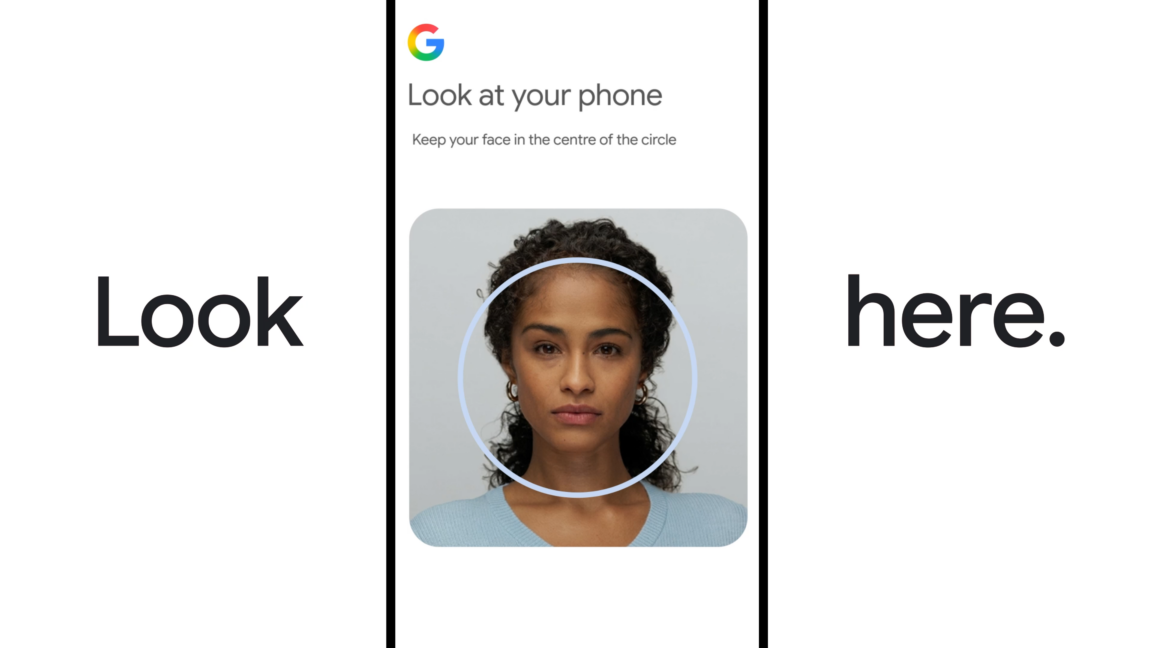
Google's Selfie Login: Convenience Meets Data Privacy Alarms
Google introduces a video selfie login, but the implications for data privacy and AI training warrant scrutiny beyond convenience

Apple's Rare Third macOS RC: Unpacking Security Concerns
Byte-Pulse explores the implications of Apple's unusual third Release Candidate for macOS updates, examining the severity of unannounced security fixes and their impact on European users

Google’s Legal Battle Against AI-Driven Cybercrime: Examining Outsider Enterprise
Google's lawsuit against Outsider Enterprise exposes differences in victim counts and sheds light on AI's role in cybercrime.
The Byte-Pulse Newsroom is the editorial system that produces Byte-Pulse's daily tech news coverage. Each story is cross-referenced across 3+ independent outlets, drafted with AI assistance by the newsroom system (Drafter → Editor → Fact-Checker → Polisher), and reviewed by Serhat Er, Editor-in-Chief, before publication. We disclose AI augmentation openly. Editorial accountability stays with the named editor on every article. Tips: editorial@byte-pulse.net.
Don’t miss these
Xiaomi 16 Pro vs iPhone 18 Pro: Which Flagship Fits Your World?
Deciding between the Xiaomi 16 Pro and iPhone 18 Pro? We break down every spec and trade-off, so you can make the choice that's right for you.
Proton VPN vs NordVPN: Which One Earns Your Subscription?
A deep dive into Proton VPN and NordVPN, comparing their privacy, performance, features, and value, helping you make an informed decision.
Perplexity Pro vs ChatGPT Plus: Which AI Assistant Fits Your Workflow?
This guide lays out the strengths and approaches of Perplexity Pro and ChatGPT Plus, helping you identify which AI assistant aligns with your specific needs.

Pokémon TCG Movie Signals Strategic Media Pivot for The Pokémon Company
A new Pokémon movie focused on the TCG is coming in 2027, marking a strategic pivot for the franchise as it navigates massive global fan engagement and logistical challenges.

Apple's AI Pivot: Vision Pro Content Cut, Siri Rebuilt Amid Layoffs
Apple's latest layoffs signal a strategic pivot, dialing back high-cost Vision Pro content while re-tooling Siri for the AI era. What's next for Apple?
Motorola Edge 60 Ultra vs OnePlus 13: Which Android Flagship Fits Your Priorities?
Motorola Edge 60 Ultra and OnePlus 13 both aim for top-tier Android. We cut through the marketing to reveal the true differences, helping you choose.