Claude AI: Boon or Bane for Cybersecurity? Expert Bruce Schneier Weighs In
Expert Bruce Schneier weighs in on the dual-edged sword of large language models like Claude Mythos for future IT security.


The Double-Edged Sword of AI in Security
Large language models (LLMs) are rapidly evolving, and their impact on IT security is a topic of intense debate. Are these powerful AI tools a net positive, offering new ways to defend against cyber threats, or do they primarily empower malicious actors? Cybersecurity expert Bruce Schneier has been examining this very question, and his insights suggest the reality is nuanced.
Schneier, a renowned figure in the security community, has spoken about the potential dual-use nature of LLMs like Claude Mythos. On one hand, these models can be trained to identify patterns in malicious code, detect sophisticated phishing attempts, and even automate threat intelligence gathering. Imagine an AI that can sift through millions of security logs in seconds, flagging anomalies that human analysts might miss. This could significantly bolster our defensive capabilities.
Empowering Attackers with AI
However, the same capabilities that make LLMs valuable for defense also make them potent weapons for attackers. Schneier points out that LLMs can be used to generate highly convincing phishing emails, craft polymorphic malware that evades traditional signature-based detection, and even automate the exploitation of vulnerabilities. The barrier to entry for sophisticated cyberattacks could be dramatically lowered, allowing less skilled individuals to launch more damaging campaigns.
"The same AI that can help us defend can also help attackers," Schneier reportedly stated, highlighting the inherent risk. This means that as defensive AI gets better, offensive AI will likely advance in parallel, creating a continuous arms race.
Who Benefits Most from LLMs in Security?
Schneier's analysis also touches upon who stands to gain the most from the advancements in LLMs within the security landscape. While enterprises and security firms might leverage these tools for enhanced defense, it's plausible that well-resourced state-sponsored actors and organized cybercrime groups will be the quickest to integrate LLMs into their offensive toolkits. Their ability to invest heavily in AI research and development gives them a significant advantage.
Furthermore, the accessibility of powerful LLMs means that even smaller, opportunistic attackers could gain access to capabilities previously reserved for elite hacking groups. This democratization of advanced attack tools is a significant concern for the future of cybersecurity.
Context:
The integration of AI into cybersecurity is not new, but the rise of powerful, general-purpose LLMs like Claude Mythos represents a significant leap. European cybersecurity agencies and regulators are already grappling with the implications of AI, particularly concerning its potential misuse and the need for robust ethical guidelines. The EU's AI Act, for example, aims to regulate AI systems based on their risk level, and its application to cybersecurity tools will be crucial. As LLMs become more sophisticated, striking a balance between fostering innovation and mitigating risks will be paramount for global security.
What this means for you:
For the average internet user, the increasing sophistication of AI in both attack and defense means you'll need to be more vigilant than ever. Expect more personalized and convincing phishing attempts, and be cautious about the information you share online. On the flip side, your email filters and security software might become more adept at catching threats, thanks to AI. Stay updated on security best practices, use strong, unique passwords, and enable multi-factor authentication wherever possible.
What's still unclear:
Several key questions remain unanswered. How quickly will attackers effectively weaponize LLMs to a degree that bypasses current defenses? What specific regulatory frameworks will be most effective in controlling the misuse of AI in cyber warfare and crime? And will the development of defensive AI ultimately outpace offensive AI, or will we see a sustained period of escalation?
Why this matters:
The rapid advancement of AI, particularly LLMs like Claude Mythos, presents a profound challenge to the existing cybersecurity paradigm. While these tools offer unprecedented potential for defense, they also equip adversaries with potent new capabilities, potentially lowering the barrier to entry for sophisticated attacks and escalating the arms race between attackers and defenders. The future of our digital safety hinges on our ability to harness AI for protection while effectively mitigating its inherent risks.
Hardware keys and password managers used by security pros.
Shop security gear →Discuss this story
Got a take, a correction, or a follow-up tip? Reply where you read — we read everything.
Found an error? File a correction at /corrections. Substantive corrections are logged publicly.
One short email. The most important Security news, fact-checked, no fluff. Free, unsubscribe anytime.
More from Security

eBay's $55.7M Cyberstalking Settlement: A Corporate Culture of Coercion Exposed
Byte-Pulse investigates the eBay cyberstalking case, revealing a disturbing harassment campaign, executive involvement, and the broader implications for corporate ethics.
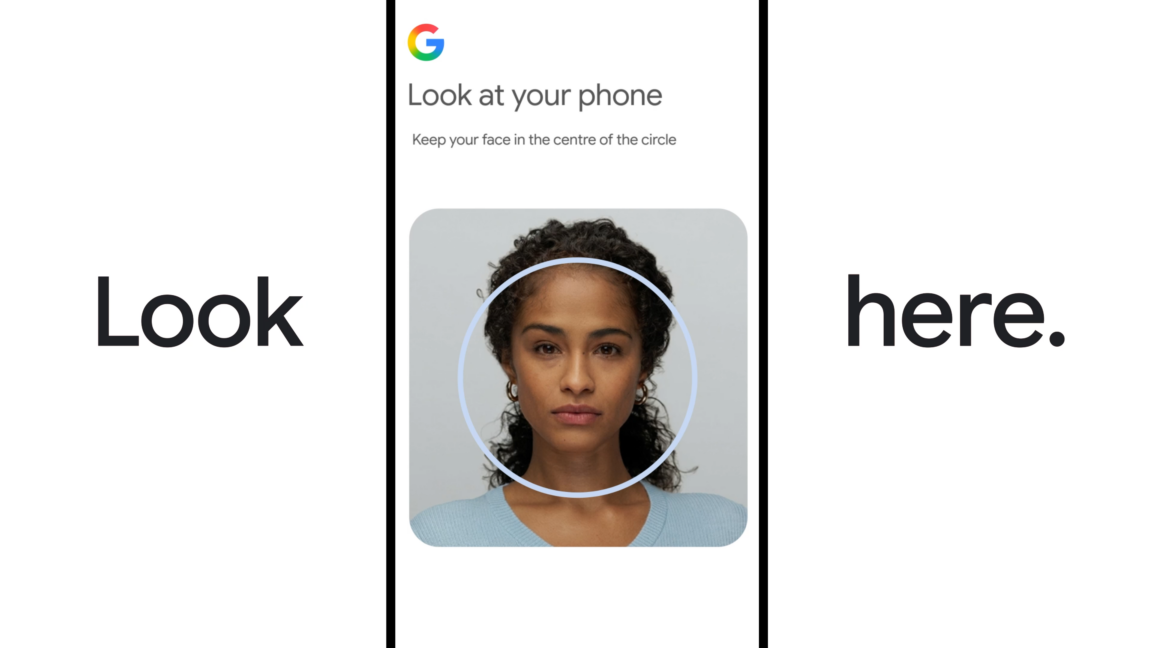
Google's Selfie Login: Convenience Meets Data Privacy Alarms
Google introduces a video selfie login, but the implications for data privacy and AI training warrant scrutiny beyond convenience

Apple's Rare Third macOS RC: Unpacking Security Concerns
Byte-Pulse explores the implications of Apple's unusual third Release Candidate for macOS updates, examining the severity of unannounced security fixes and their impact on European users

Google’s Legal Battle Against AI-Driven Cybercrime: Examining Outsider Enterprise
Google's lawsuit against Outsider Enterprise exposes differences in victim counts and sheds light on AI's role in cybercrime.
The Byte-Pulse Newsroom is the editorial system that produces Byte-Pulse's daily tech news coverage. Each story is cross-referenced across 3+ independent outlets, drafted with AI assistance by the newsroom system (Drafter → Editor → Fact-Checker → Polisher), and reviewed by Serhat Er, Editor-in-Chief, before publication. We disclose AI augmentation openly. Editorial accountability stays with the named editor on every article. Tips: editorial@byte-pulse.net.
Don’t miss these
RTX 5060 Ti vs RX 9060 XT: Which Mid-Range Powerhouse Fits Your Rig?
Deciding between the rumored RTX 5060 Ti and RX 9060 XT? This guide cuts through the noise to highlight the real-world trade-offs for gamers and creators.
Asus ROG Phone 9 vs Sony Xperia 1 VII: Which Niche Flagship Earns Your Money?
Deciding between the gaming-focused ROG Phone 9 and the creator-centric Xperia 1 VII? This guide breaks down every spec to help you choose.
Proton VPN vs NordVPN: Which One Earns Your Subscription?
A deep dive into Proton VPN and NordVPN, comparing their privacy, performance, features, and value, helping you make an informed decision.
Perplexity Pro vs ChatGPT Plus: Which AI Assistant Fits Your Workflow?
This guide lays out the strengths and approaches of Perplexity Pro and ChatGPT Plus, helping you identify which AI assistant aligns with your specific needs.
Lenovo Legion Pro 7i 2026 vs Razer Blade 16 2026: Which Flagship Gaming Laptop Fits Your Future?
Deciding between the next-gen Lenovo Legion Pro 7i and Razer Blade 16 means weighing peak performance against premium design and a more compact footprint. We break down the trade-offs.
Honor Magic 8 Pro vs Samsung Galaxy S26 Ultra: Which Future Flagship Fits Your Wallet and Workflow?
Deciding between the anticipated Honor Magic 8 Pro and Samsung Galaxy S26 Ultra? Our deep dive into expected specs and features provides the fair comparison you need.