Ubisoft's 'Black Flag Resynced' Sales Boom Undercut by Barcelona Studio Layoffs and Strike
A blockbuster launch for 'Assassin's Creed Black Flag Resynced' is undercut by a strike at Ubisoft Barcelona, raising questions about corporate priorities and the true cost of 'efficiency.'

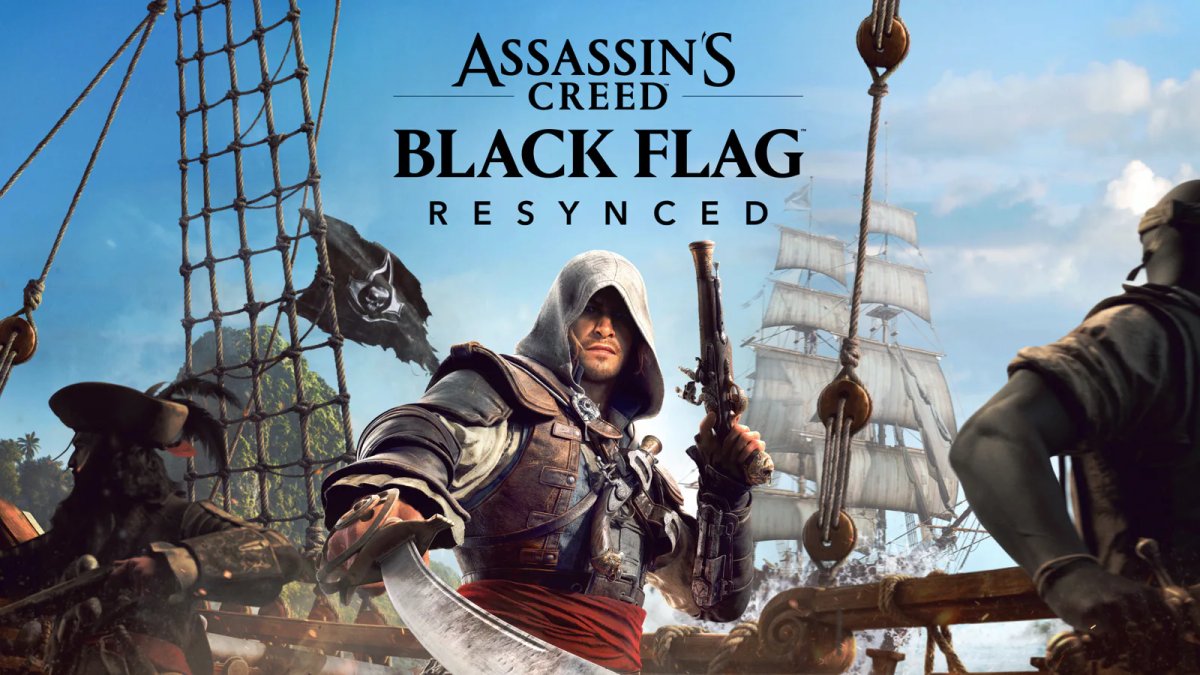
The gaming industry rarely sees a contradiction as stark as the one currently unfolding at Ubisoft. Just days after the French publisher announced a staggering two million sales for its highly anticipated remake, Assassin's Creed Black Flag Resynced, within a mere 24 hours of its July 9 release, news broke of a bitter strike at Ubisoft Barcelona. This Spanish studio, a crucial co-developer for the acclaimed title, is facing up to 51 proposed job cuts.
Assassin's Creed Black Flag Resynced's surprising sales success
Ubisoft officially confirmed the immediate commercial success of Assassin's Creed Black Flag Resynced, a remake of the beloved 2013 original, noting its impressive two million units sold on the very first day. As Heise reports, this figure represents a significant win for the company, which has endured a challenging period marked by numerous game cancellations and widespread layoffs. The game’s critical reception has been equally strong; Heise mentions a Metacritic score of 84 out of 100, while even our own review at Byte-Pulse found the pirate adventure to be a compelling experience.
Polygon published a hands-on piece that highlights why the game resonated with players. Author Austin Manchester enthusiastically details the satisfaction of using Edward Kenway's 'kick' attack during naval boarding sequences, calling it "the most fun in the series" and a superior tactical option to traditional sword fighting. This kind of player engagement, focused on core gameplay mechanics, is precisely what drives positive word-of-mouth and, ultimately, sales.
Ubisoft Barcelona's role in the acclaimed remake
The narrative of Resynced's success becomes particularly poignant when juxtaposed with the fate of Ubisoft Barcelona. While Ubisoft Singapore led the development, Barcelona's contribution was far from peripheral. Heise, citing a social media post from studio employee Manel Cota, notes that "Ubisoft Barcelona has made all the underwater levels" – a significant portion of a game famed for its aquatic exploration and naval combat. IGN provides a much more expansive view of Barcelona's critical involvement, stating that the studio "contributed significantly to the title" over more than two years of development. This isn't just footnoted grunt work; this is core game development, shaping fundamental aspects of the player experience and directly contributing to the positive reception that led to those two million sales.
The studio's proposed job cuts and employee strike
The proposed cuts at Ubisoft Barcelona involve up to 51 employees, a move that has sparked an immediate and resolute response from the studio's workforce. Heise reports that employees began a strike on Tuesday, coordinated by the Coordinadora Sindical del Videojuego (CSVI) and supported by the works council and other unions. IGN details that approximately 90 workers joined the strike on July 14, with further action planned for July 16. The striking employees are demanding not only the withdrawal of the 51 proposed redundancies but also a binding commitment against further mass layoffs, a return to their previous 60% remote work policy, and the fulfillment of promised promotions and salary increases.
Ubisoft has confirmed the conflict to Videogames Chronicle, stating that Barcelona is to "concentrate exclusively on 'Rainbow Six'" in the future, and that the 51 job cuts are currently "only a proposal" pending the completion of a consultation process. However, as IGN points out, employees feel these positions are "quite definite," and the severance pay offered is reportedly "far below the minimum expected, and below what they've offered for previously laid off employees from the studio."
Ubisoft's broader cost-cutting strategy and its impact
The situation in Barcelona is not an isolated incident but rather a sharp symptom of Ubisoft's aggressive global cost-cutting agenda. Heise notes that plans for restructuring in Barcelona, including potential job losses, were already known in early June, weeks before Resynced's launch. This restructuring is part of a larger initiative that has seen Ubisoft reduce its global workforce by 1,500 people over the past year alone. The company has shuttered multiple studios, including Stockholm and Halifax in January, and ceased game development at Red Storm Entertainment in March, as detailed by Heise.
Eurogamer highlights another interesting facet of Ubisoft's corporate strategy: the quiet removal of a widely mocked claim that microtransactions make games "more fun" from its latest financial report. This comes amid player complaints about Black Flag Resynced launching with an estimated £75 worth of microtransactions in a £49.99 single-player game. While Ubisoft maintains these are "entirely optional extras," the timing of their removal of the "more fun" claim suggests a recognition of public backlash, even as the practice continues.
What the Barcelona layoffs signal about studio value
The decision to restructure Ubisoft Barcelona and cut jobs, particularly after its significant contribution to a commercially successful game, sends a troubling message about how Ubisoft values its development studios. By restricting Barcelona's future to Rainbow Six – a single, albeit popular, franchise – Ubisoft is effectively narrowing the studio's creative scope and potentially limiting its long-term growth and talent retention. For a studio that demonstrated its versatility and skill on Assassin's Creed, this is less a strategic focus and more a corporate straitjacket.
The immediate financial gain from these layoffs will likely be minimal in the grand scheme of Ubisoft's balance sheet, but the damage to morale, reputation, and the ability to attract top talent in the future could be substantial. It's a classic case of prioritizing short-term cost-cutting over long-term strategic investment in human capital.
The situation at Ubisoft Barcelona is more than just another round of layoffs in a volatile industry. It's a critical case study in the tension between corporate efficiency drives and the human cost of creative production. For players, it means questioning the sustainability of the games they love and the ethics behind their creation. For those of us observing the industry, it's a stark reminder that even blockbuster success does not guarantee job security, especially when a company's internal logic seems to prioritize financial engineering and speculative technological pivots over the foundational value of its skilled workforce.
Sources cross-referenced
This story was synthesised from reporting by 4 outlets:
Discuss this story
Got a take, a correction, or a follow-up tip? Reply where you read — we read everything.
Found an error? File a correction at /corrections. Substantive corrections are logged publicly.
One short email. The most important Gaming news, fact-checked, no fluff. Free, unsubscribe anytime.
More from Gaming

Pokémon TCG Movie Signals Strategic Media Pivot for The Pokémon Company
A new Pokémon movie focused on the TCG is coming in 2027, marking a strategic pivot for the franchise as it navigates massive global fan engagement and logistical challenges.
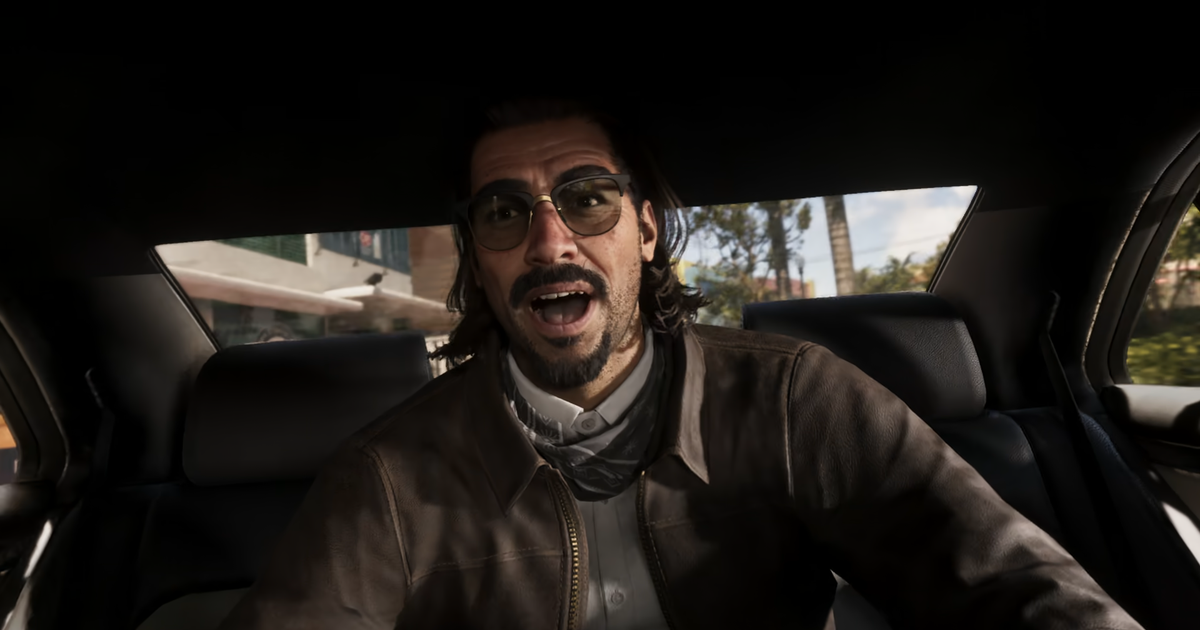
GTA 6's Realism Gamble: Will Player Patience Pay Off?
Byte-Pulse examines GTA 6's shift to ultra-realism, from complex Wanted systems to car refueling, and questions if 'ambition' justifies potential player friction.

Rockstar's Netflix Gambit: A 'New Thing' or Calculated Content Gate?
Rockstar Games initiated the Netflix exclusive 'extended look' for GTA 6, drawing ire from fans. We dissect the strategy and its implications.
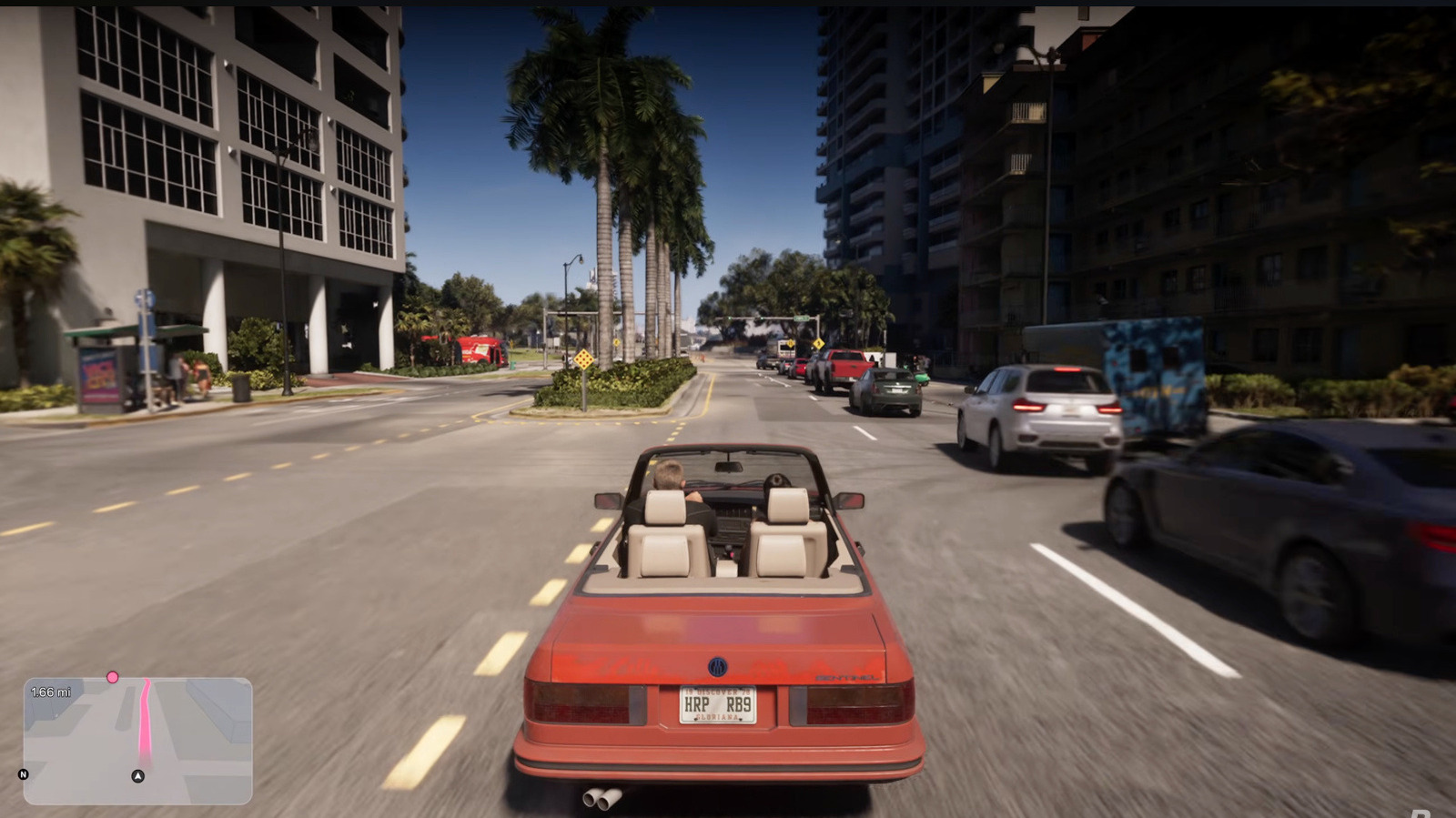
GTA VI: Beyond the Hype - Costs, Console Choices, and Cyber Threats
Byte-Pulse examines GTA VI's colossal scope, the practicalities of console choice, and the digital dangers lurking beneath the launch hype.
The Byte-Pulse Newsroom is the editorial system that produces Byte-Pulse's daily tech news coverage. Each story is cross-referenced across 3+ independent outlets, drafted with AI assistance by the newsroom system (Drafter → Editor → Fact-Checker → Polisher), and reviewed by Serhat Er, Editor-in-Chief, before publication. We disclose AI augmentation openly. Editorial accountability stays with the named editor on every article. Tips: editorial@byte-pulse.net.
Don’t miss these
Lenovo Legion Pro 7i 2026 vs Razer Blade 16 2026: Which Flagship Gaming Laptop Fits Your Future?
Deciding between the next-gen Lenovo Legion Pro 7i and Razer Blade 16 means weighing peak performance against premium design and a more compact footprint. We break down the trade-offs.
Asus ROG Phone 9 vs Sony Xperia 1 VII: Which Niche Flagship Earns Your Money?
Deciding between the gaming-focused ROG Phone 9 and the creator-centric Xperia 1 VII? This guide breaks down every spec to help you choose.
Proton VPN vs NordVPN: Which One Earns Your Subscription?
A deep dive into Proton VPN and NordVPN, comparing their privacy, performance, features, and value, helping you make an informed decision.
Perplexity Pro vs ChatGPT Plus: Which AI Assistant Fits Your Workflow?
This guide lays out the strengths and approaches of Perplexity Pro and ChatGPT Plus, helping you identify which AI assistant aligns with your specific needs.
Razer Blade 16 (2026) vs ASUS ROG Zephyrus G16 (2026): Which Next-Gen Powerhouse Fits Your Workflow?
Deciding between Razer's premium Blade 16 2026 and ASUS's versatile ROG Zephyrus G16? We cut through the hype to lay out the real trade-offs.
Honor Magic 8 Pro vs Samsung Galaxy S26 Ultra: Which Future Flagship Fits Your Wallet and Workflow?
Deciding between the anticipated Honor Magic 8 Pro and Samsung Galaxy S26 Ultra? Our deep dive into expected specs and features provides the fair comparison you need.