Contrasting Game Design Approaches in New Xbox Titles
From action-heavy narratives to nostalgic remakes, Xbox's latest offerings highlight distinct gameplay philosophies.

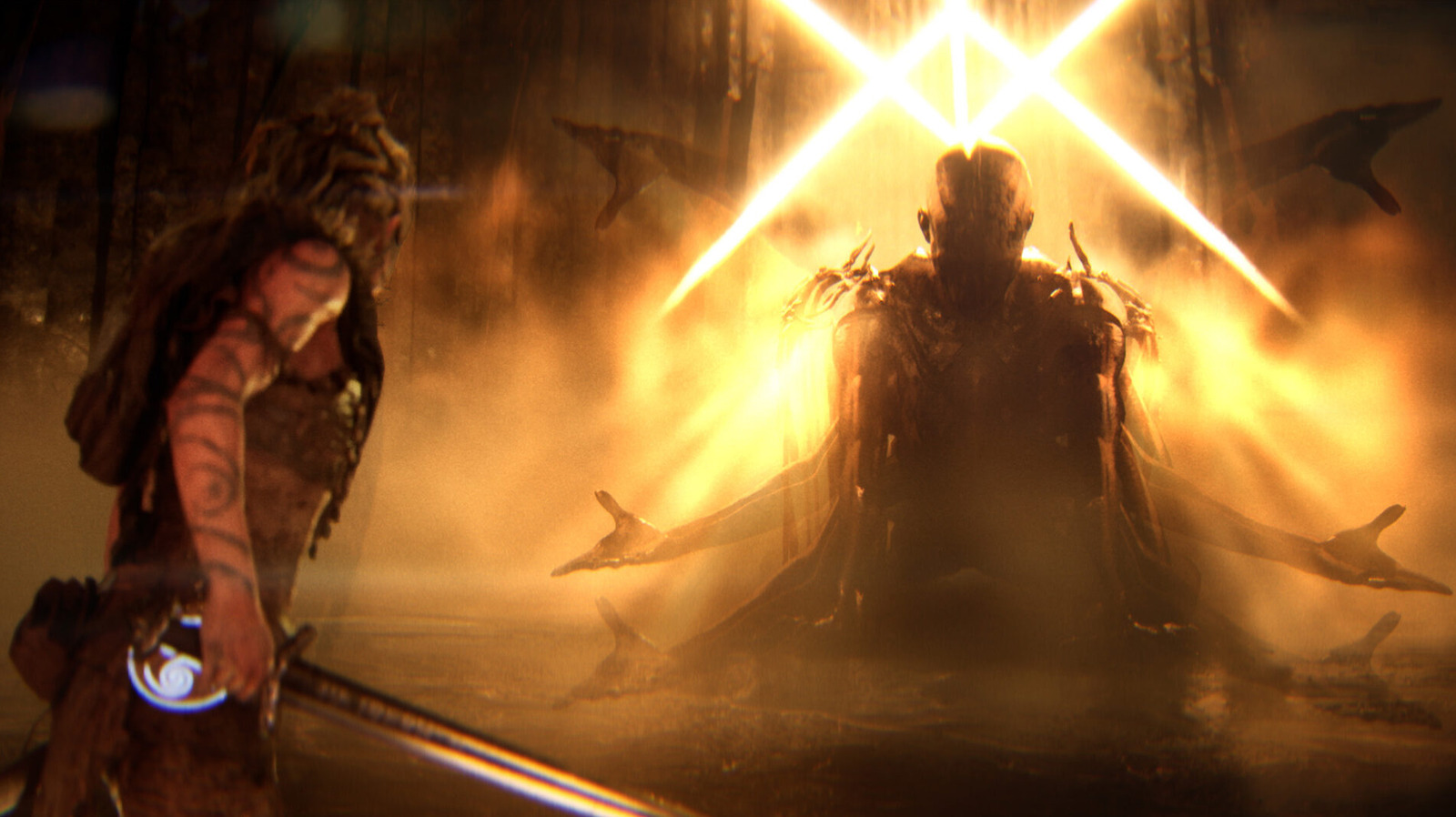
Contrasting Approaches: New Xbox Titles Showcase Diverse Game Design
Ninja Theory Redefines Hellblade with an Action-Heavy Twist
At the recent Xbox Games Showcase, Ninja Theory offered fans a tantalizing glimpse into their upcoming game, Senua. While a release date hasn't been confirmed, it's slated for launch on Xbox Series X/S, PS5, and PC. Early reports suggest a significant shift in the game’s dynamics, featuring expanded combat, enhanced puzzle-solving elements, and a map nearly twice the size of its predecessor, Hellblade II. Studio head Dom Matthews indicated that this installment will lean more towards a traditional action-adventure style.
Fans who cherished the series for its psychological depth and narrative focus might find themselves questioning this new direction. The pivot to a more action-heavy game could attract a broader audience, but it raises the question of whether it can continue to deliver the emotional impact that made the original so compelling. Ninja Theory’s challenge lies in integrating these action elements without overshadowing the psychological storytelling that fans have come to love.
Compared to: Hellblade II
When comparing Senua to its predecessor, Hellblade II, the shift in focus becomes clear. Hellblade II was celebrated for its intense narrative and psychological themes, drawing players into a deeply personal and immersive experience. It featured limited combat, which served as a backdrop to the story rather than the main attraction. While Senua promises a larger map and more traditional gameplay mechanics, the question remains whether these enhancements will complement or detract from the narrative core that defined Hellblade II. Price points for Senua are yet to be disclosed, but given the expanded features, it might see a slight increase compared to its predecessor.
Halo: Campaign Evolved Brings Nostalgia with Fresh Missions
The Halo franchise is also undergoing a transformation with Halo: Campaign Evolved, a remake of the iconic Halo: Combat Evolved. This new rendition includes a 4K visual overhaul and introduces new missions designed to rekindle nostalgia for long-time fans while incorporating modern gameplay elements.
Both Engadget and The Verge have highlighted that the game will feature updated weapons and mechanics drawn from later Halo titles. The real challenge lies in balancing the expectations of veteran players with the need to attract a new generation of fans. This blend of nostalgia and innovation could position Halo: Campaign Evolved as a significant player in today’s competitive market, demonstrating how remakes can breathe new life into classic stories.
Compared to: Original Halo: Combat Evolved
The original Halo: Combat Evolved was groundbreaking upon its release, setting a new standard for first-person shooters with its innovative gameplay and storytelling. The remake, priced similarly to other current-gen remakes, aims to retain the essence of the original while offering enhancements that appeal to modern gamers. The inclusion of new missions and updated mechanics can make or break the experience, potentially setting a precedent for future remakes in the series.
Call of Duty's DMZ Mode Shows off New Gameplay Mechanics
Switching gears from the narrative-driven focus of Senua and Halo, Call of Duty: Modern Warfare 4 introduces its new DMZ extraction mode. Set in the Korean map of Hajin, this mode incorporates a player-driven bounty system and dynamic gameplay elements such as changing weather conditions and coordinated NPC enemies, as outlined by Eurogamer.
This mode emphasizes player agency and features a progression system tied to character traits, aiming to offer a more interactive gameplay experience. While it could attract competitive gamers, the question remains: will these new mechanics sustain player interest over the long term? The extraction gameplay is intriguing, but it remains to be seen if it will maintain player engagement in a franchise traditionally centered around straightforward combat narratives.
Compared to: Previous Call of Duty Modes
Historically, Call of Duty has thrived on its fast-paced, action-packed campaigns and multiplayer modes. The DMZ mode represents a significant departure, focusing on strategy and player decision-making in an open-world setting. This could attract players who enjoy tactical gameplay, but it might alienate those who prefer the series' traditional gameplay. The success of this mode will largely depend on how well it can integrate these new elements without losing the franchise’s core appeal.
How the New Senua Game Sets Itself Apart from Traditional Action-Adventures
What distinguishes Senua from other action-adventure titles is its dedication to maintaining narrative depth despite a shift towards a more action-oriented style. Dom Matthews has assured fans that the game will retain the psychological elements from its predecessors while incorporating traditional action-adventure gameplay mechanics. This duality prompts questions about the boundaries of the genre and what players anticipate from such titles.
The risk is that prioritizing action over narrative depth could alienate fans who value the original's themes of mental health and emotional storytelling. The success of Senua will depend on its ability to balance these aspects, preserving the emotional resonance that has been a hallmark of the series.
What Halo's Remake Tells Us About the Franchise's Evolution
Halo: Campaign Evolved signifies a pivotal point in the franchise's evolution. Originally, players embraced Halo: Combat Evolved for its groundbreaking gameplay and storytelling. The remake must navigate the delicate balance of nostalgia and innovation. By blending new content with cherished features, it reflects a thoughtful approach to reviving the franchise.
If Halo: Campaign Evolved can successfully balance these elements, it could set a standard for how remakes are handled across the industry. However, if it fails to capture the original's essence, it risks disappointing both new and loyal fans alike.
Real Daily-Use Scenario
Imagine a day where you have the latest Senua, Halo: Campaign Evolved, and Call of Duty: Modern Warfare 4 on your console. You start your gaming session with Senua, diving into its expansive world filled with puzzles and combat. The game challenges your reflexes and strategic thinking, yet you find yourself longing for the psychological depth that the previous titles offered.
Next, you switch to Halo: Campaign Evolved. The familiar landscapes and updated graphics pull you in, and the new missions offer a refreshing twist. You find yourself toggling between nostalgia and curiosity, exploring how the updates blend with the classic gameplay.
Finally, you round out your session with Call of Duty's DMZ mode. The strategic elements and dynamic environment provide a refreshing change of pace from the traditional fast-paced combat. You work with friends to complete objectives, employing tactics that were absent in previous games.
What's Still Unclear
Despite the excitement surrounding these announcements, several questions remain unanswered. How will the expanded gameplay in Senua integrate with the narrative elements fans expect? Will the new Halo missions engage both veteran players and newcomers, or might they feel like an afterthought? And how will the complex mechanics of the DMZ mode compare to the traditional campaign structure of Call of Duty? These uncertainties will only be resolved as the games approach their release dates.
What This Means for You
As Xbox continues to expand its game lineup, these titles highlight a fascinating contrast in design philosophies. Each game targets its audience while showcasing unique features that set them apart in a crowded market. Understanding these differences can help shape your expectations as a player and offer insights into broader trends in game development and consumer engagement. Observing how these titles develop could provide valuable lessons about the future of interactive entertainment.
In the end, these games offer a spectrum of experiences—from the narrative depth of Senua to the nostalgic yet innovative Halo and the strategic complexity of Call of Duty. As a player, you have the opportunity to explore these diverse worlds and witness firsthand how game design continues to evolve, presenting new possibilities and challenges for both developers and gamers alike.
Sources cross-referenced
This story was synthesised from reporting by 4 outlets:
Best-selling controllers, headsets and storage for your next session.
Shop gaming gear →Discuss this story
Got a take, a correction, or a follow-up tip? Reply where you read — we read everything.
Found an error? File a correction at /corrections. Substantive corrections are logged publicly.
One short email. The most important Gaming news, fact-checked, no fluff. Free, unsubscribe anytime.
More from Gaming

Pokémon TCG Movie Signals Strategic Media Pivot for The Pokémon Company
A new Pokémon movie focused on the TCG is coming in 2027, marking a strategic pivot for the franchise as it navigates massive global fan engagement and logistical challenges.

GTA 6's Realism Gamble: Will Player Patience Pay Off?
Byte-Pulse examines GTA 6's shift to ultra-realism, from complex Wanted systems to car refueling, and questions if 'ambition' justifies potential player friction.

Rockstar's Netflix Gambit: A 'New Thing' or Calculated Content Gate?
Rockstar Games initiated the Netflix exclusive 'extended look' for GTA 6, drawing ire from fans. We dissect the strategy and its implications.
GTA VI: Beyond the Hype - Costs, Console Choices, and Cyber Threats
Byte-Pulse examines GTA VI's colossal scope, the practicalities of console choice, and the digital dangers lurking beneath the launch hype.
The Byte-Pulse Newsroom is the editorial system that produces Byte-Pulse's daily tech news coverage. Each story is cross-referenced across 3+ independent outlets, drafted with AI assistance by the newsroom system (Drafter → Editor → Fact-Checker → Polisher), and reviewed by Serhat Er, Editor-in-Chief, before publication. We disclose AI augmentation openly. Editorial accountability stays with the named editor on every article. Tips: editorial@byte-pulse.net.
Don’t miss these
AMD Ryzen 7 9800X3D vs Intel Core Ultra 7 265K: Which Chip Drives Your Next Build?
Deciding between AMD's V-Cache prowess and Intel's new Ultra architecture? This guide cuts through the noise to show you what each CPU truly offers for your money.
Asus ROG Phone 9 vs Sony Xperia 1 VII: Which Niche Flagship Earns Your Money?
Deciding between the gaming-focused ROG Phone 9 and the creator-centric Xperia 1 VII? This guide breaks down every spec to help you choose.
Proton VPN vs NordVPN: Which One Earns Your Subscription?
A deep dive into Proton VPN and NordVPN, comparing their privacy, performance, features, and value, helping you make an informed decision.
AMD Ryzen 9 9950X3D vs Intel Core Ultra 9 285K: Next-Gen Desktop Showdown
A deep dive into the expected strengths of AMD's Zen 5 X3D and Intel's next-gen Core Ultra K-series, laying out the trade-offs for serious buyers.
Honor Magic 8 Pro vs Samsung Galaxy S26 Ultra: Which Future Flagship Fits Your Wallet and Workflow?
Deciding between the anticipated Honor Magic 8 Pro and Samsung Galaxy S26 Ultra? Our deep dive into expected specs and features provides the fair comparison you need.
Notion vs Obsidian: Which Knowledge Hub Fits Your Workflow?
Deciding between Notion and Obsidian? We break down the core differences in philosophy, data ownership, collaboration, and extensibility to help you choose.