Divergent Pricing Strategies of Apple and Microsoft Amid Rising Memory Costs
How Apple and Microsoft are responding to rising memory prices and what it means for consumers.

Apple's Price Hikes Reflect Broader Tech Industry Trends
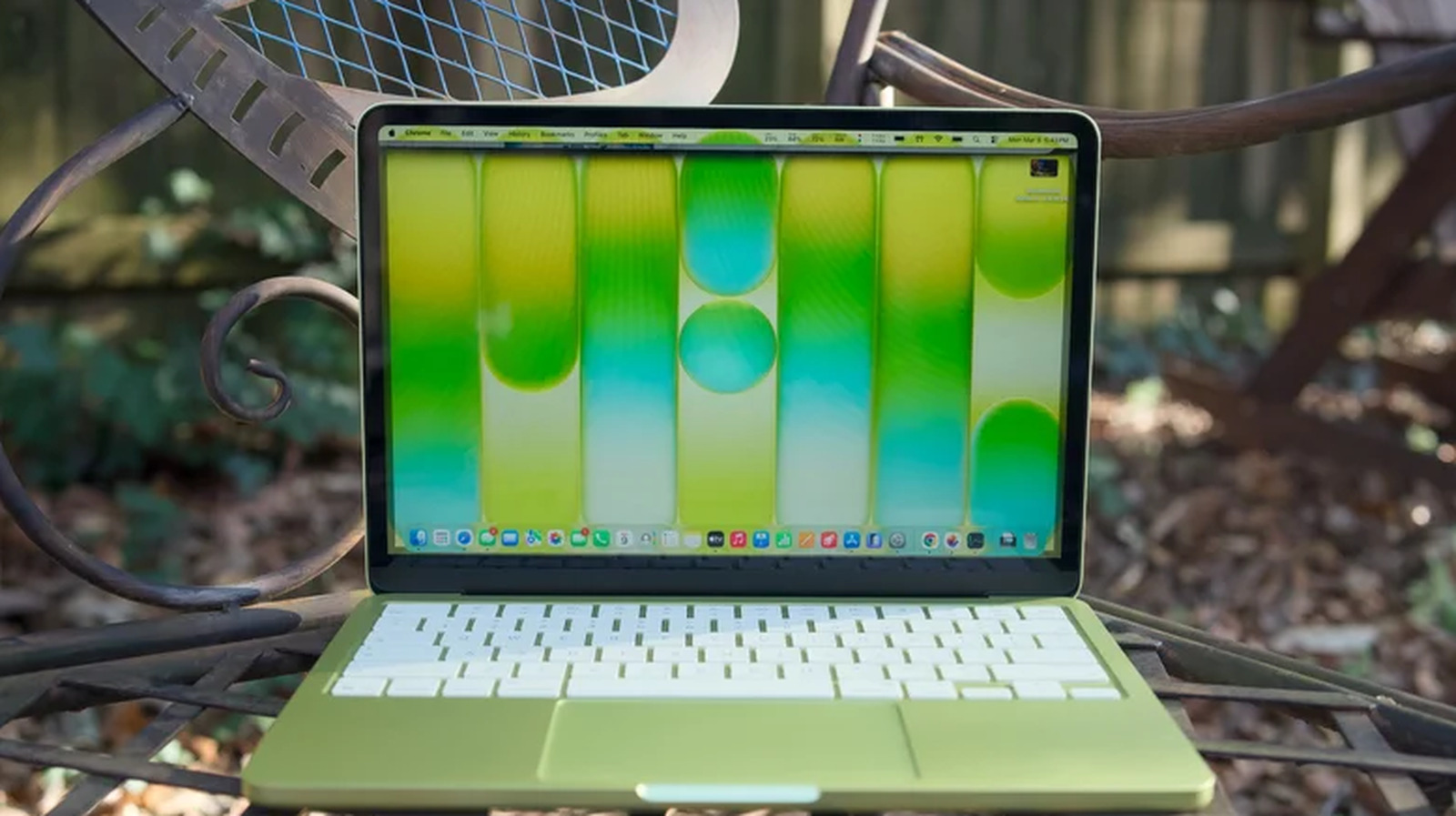
Apple's recent price increases across various product lines are a direct response to skyrocketing memory and storage costs. According to MacRumors, the MacBook Neo now costs $699, a jump from $599. The Mac Studio (M3 Ultra) has seen an even bigger increase, priced at $5,299, up $1,300. This marks a shift for Apple, which historically absorbed cost increases to protect its customers.
Engadget reports that Apple’s hesitation to raise prices is gone. The reality of higher memory costs is too much to ignore. Existing products like the iPad and Apple TV have also seen changes. The Apple TV 4K now sells for $199, up from $129. Expect similar shifts in the iPad lineup, reflecting a broader recalibration across Apple's offerings.
Compared to: Previous Apple Models and Competitors
To put these changes into perspective, let's compare the current pricing strategies with previous models and competitors. The MacBook Neo's predecessor, the MacBook Air M2, was priced at $599 before the increase. While the M2 had less processing power than the Neo, it was still a favorite among budget-conscious users. On the other hand, the Mac Studio M2 Max was initially priced at $3,999, making the M3 Ultra's $5,299 price tag a significant leap.
In comparison, Dell's XPS lineup, a close competitor to Apple's MacBook series, has also seen modest price increases. The Dell XPS 13, equipped with similar specifications to the MacBook Neo, now starts at $1,099, up from $999. Although Dell's price hike isn't as steep as Apple's, it still reflects the ongoing industry trend of rising component costs.
Microsoft's Cost Increases Outpace Apple's Adjustments
Microsoft is taking a sharper approach. Engadget notes that the company has raised prices on its Surface laptops by $500 to $600 compared to earlier models. This increase surpasses what Apple has done. Microsoft’s heavy investments in AI are driving demand for memory resources, complicating pricing even more.
Compared to: Previous Surface Models and Competitors
The Surface Laptop 4, launched at $999, was seen as a strong contender in the market. Now, the Surface Laptop 5 starts at $1,499, illustrating Microsoft's significant price adjustment. This contrasts with Lenovo's ThinkPad X1 Carbon, which saw a more modest increase from $1,299 to $1,399. Microsoft's strategy appears more aggressive, potentially positioning its products as luxury tech items.
How Rising Memory Prices Are Reshaping Consumer Tech
The rise in memory costs isn't just an issue for Apple and Microsoft. It's affecting the entire tech sector. All sources confirm that demand for memory-intensive applications, especially with advancements in AI and data centers, has put unprecedented pressure on supply chains. Prices are climbing across the board, impacting both consumer electronics and enterprise solutions.
GSMArena highlights that differing global pricing strategies might confuse consumers. Buyers in different regions face various price hikes. While US consumers might not feel the pinch as much, the trend is clear: rising memory costs are changing how tech brands price their products, making it harder for consumers to navigate their options.
Daily Use Scenario: Navigating New Costs
Consider a consumer, Alex, who is looking to replace an aging laptop. Alex has always favored Apple products for their reliability and seamless integration with other Apple devices. However, the recent price hike on the MacBook Neo makes Alex reconsider. The higher price point means stretching the budget or looking into financing options, both of which add complexity to the purchase decision.
On the other hand, if Alex considers switching to a Microsoft Surface Laptop, the increased prices there too make it a challenging decision. The scenario illustrates how these pricing strategies directly impact consumers' purchasing decisions, potentially driving them to explore alternatives such as refurbished models or waiting for sales events.
What This Means for You
For consumers, these changes mean it's more important than ever to be strategic about tech purchases. The price hikes across the board necessitate a closer look at the value offered by each product. For those invested in a particular ecosystem, like Apple or Microsoft, this could mean higher overall costs to maintain compatibility and seamless functionality.
It's also a wakeup call to consider alternative brands that might offer similar features at a lower cost. Brands like ASUS and Acer, known for offering more budget-friendly options, might see increased interest as consumers seek value for money. However, the trade-offs in terms of quality and after-sales service should be carefully weighed.
What's Still Unclear
While the reasons for the price increases are apparent, several questions remain unanswered. For instance, how sustainable are these price hikes in the long run? Will consumers eventually push back, leading to a drop in sales volumes? Both Apple and Microsoft have strong brand loyalty, but there's a threshold to how much consumers are willing to pay before they start exploring alternatives.
Another uncertainty is how these price changes will affect market share. If Apple's strategy of gradual increases maintains consumer loyalty, it could retain its market position. Conversely, Microsoft's sharper increases could either reposition its brand as a premium option or alienate its customer base, leading to a potential shift in market dynamics.
Closing Take
Anyone who's shipped hardware knows that component costs can fluctuate wildly, and adapting pricing strategies is part of staying competitive. Apple's and Microsoft's recent moves illustrate this reality, as both companies navigate the challenges posed by rising memory costs. While Apple's cautious approach aims to maintain loyalty, Microsoft's aggressive pricing could redefine its market position.
For consumers, adaptability is key. Understanding the broader industry trends, keeping an eye on sales, and being open to alternatives will be crucial in navigating these changes. As the tech landscape evolves, staying informed will empower consumers to make the best choices for their needs and budgets. Whether sticking with a beloved brand or exploring new options, the current climate suggests that flexibility will be more valuable than ever.
Sources cross-referenced
This story was synthesised from reporting by 3 outlets:
Discuss this story
Got a take, a correction, or a follow-up tip? Reply where you read — we read everything.
Found an error? File a correction at /corrections. Substantive corrections are logged publicly.
One short email. The most important Hardware news, fact-checked, no fluff. Free, unsubscribe anytime.
More from Hardware

Apple's AI Pivot: Vision Pro Content Cut, Siri Rebuilt Amid Layoffs
Apple's latest layoffs signal a strategic pivot, dialing back high-cost Vision Pro content while re-tooling Siri for the AI era. What's next for Apple?

Povasee A30 Jump Starter: A 50-Euro Deal With 5,000A Claims Under Scrutiny
The Povasee A30 jump-start power bank, on offer at Amazon for under 50 Euros, claims 5,000A peak current. We scrutinize this deal against real-world expectations.

Ugreen's 200W Charger: Powerhouse or Marketing Hype?
We analyze the Ugreen 200W charger's technical prowess, real-world utility, and the Amazon deal, highlighting its strengths and limitations

Victorinox Amazon Deals: Tactics or True Value?
Byte-Pulse examines Amazon's Victorinox deals, dissecting the true value of the Swiss Card Lite and Synergy X Alox against market trends.
The Byte-Pulse Newsroom is the editorial system that produces Byte-Pulse's daily tech news coverage. Each story is cross-referenced across 3+ independent outlets, drafted with AI assistance by the newsroom system (Drafter → Editor → Fact-Checker → Polisher), and reviewed by Serhat Er, Editor-in-Chief, before publication. We disclose AI augmentation openly. Editorial accountability stays with the named editor on every article. Tips: editorial@byte-pulse.net.
Don’t miss these
OnePlus 14 vs Samsung Galaxy S26: Which Flagship Earns Your Hard-Earned Cash?
Deciding between the OnePlus 14 and Samsung Galaxy S26? This guide cuts through the noise, laying out the facts so you can pick the perfect phone for your priorities.
Proton VPN vs NordVPN: Which One Earns Your Subscription?
A deep dive into Proton VPN and NordVPN, comparing their privacy, performance, features, and value, helping you make an informed decision.
Perplexity Pro vs ChatGPT Plus: Which AI Assistant Fits Your Workflow?
This guide lays out the strengths and approaches of Perplexity Pro and ChatGPT Plus, helping you identify which AI assistant aligns with your specific needs.

Pokémon TCG Movie Signals Strategic Media Pivot for The Pokémon Company
A new Pokémon movie focused on the TCG is coming in 2027, marking a strategic pivot for the franchise as it navigates massive global fan engagement and logistical challenges.

D23 2026: Disney's Content Deluge Sparks Questions About Strategy
Byte-Pulse cuts through D23 hype: We dissect Disney's ambitious content slate, from Simpsons: Hit & Run to Ahsoka season 2, and question the real-world implications and European market strategy.
Nothing Phone 4 vs Google Pixel 11: Looking Ahead to the Next Generation
A speculative deep dive into what the Nothing Phone 4 and Google Pixel 11 might bring, offering a balanced look at their likely strengths and trade-offs for future buyers.