Fake IDP Sites Leak Customer Data Online
Poorly secured WordPress sites selling bogus international driving permits are exposing buyer information.

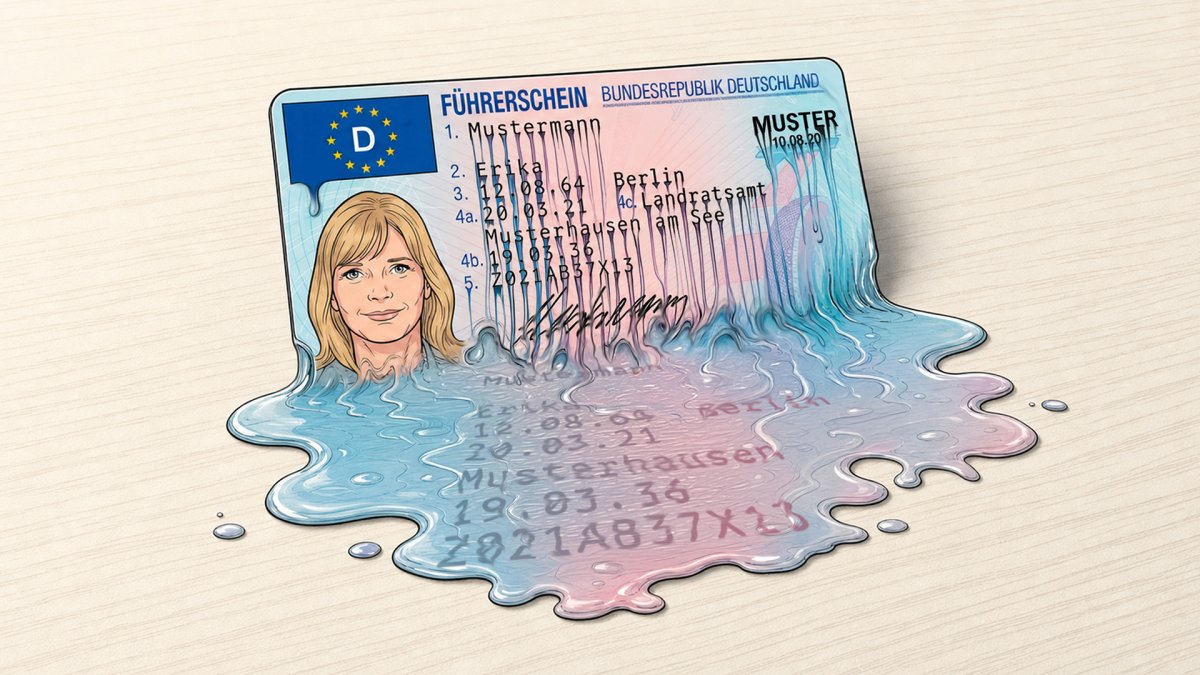
Fake IDP Sites Leak Customer Data Online: A Digital Danger
Buying an international driving permit (IDP) online might seem like a quick fix for driving abroad, a convenient shortcut in our increasingly digital world. But beneath the surface of these seemingly helpful websites lies a fast track to identity theft and financial ruin. German tech publication c't recently exposed a network of clandestine sites aggressively hawking these fake permits. These operations, often appearing legitimate at first glance, charged anywhere from a suspiciously low €50 to a hefty €150 for their dubious services, with some even offering the illusion of authenticity through printed versions.
Here’s the rub, the critical distinction that separates a legitimate service from a predatory scam: these aren’t official documents recognized by any international authority. They are, in essence, sophisticated forgeries – often just PDF files adorned with convincing-looking fake logos, falsely claiming validity in over 150 countries for periods ranging from one to three years. The real danger, however, isn't the forged permits themselves, which are useless for actual driving abroad. It's the insidious way these scam outfits handle and subsequently expose your most sensitive personal data.
A Treasure Trove for Scammers: The Data Breach Exposed
The c't report meticulously pins the widespread data leaks on a common but critical security failing: improperly configured WordPress installations. WordPress, a globally popular website builder, is a powerful tool, but like any digital infrastructure, it demands diligent security practices. These fraudulent sites, however, were set up with alarming sloppiness. The result? Vast quantities of customer data were left exposed online, an open invitation for malicious actors and opportunistic scammers to discover and exploit.
What kind of data were these criminals harvesting? Everything a determined scammer needs to meticulously steal your identity and wreak havoc on your financial life. We're talking about a comprehensive dossier including your full name, your date and place of birth, your primary email address, your WhatsApp number, a recent selfie, high-resolution photos of both the front and back of your national driver's license, and even your unique signature. This alarming collection of personal information is precisely what's needed to open fraudulent cryptocurrency accounts, a notoriously difficult area to track, or to hijack your existing online profiles by impersonating you during critical verification processes. Imagine trying to log into your bank account, only to find someone else has already taken control.
How the Scam Works: A Network of Deception
Digging deeper into the mechanics of this operation, the investigation revealed a disturbing pattern: many of these fake IDP sellers rely on the same underlying backend service to generate their bogus documents. This shared infrastructure is a critical vulnerability. It means a single security lapse or misconfiguration within that central service can inadvertently expose the data of customers from dozens, if not hundreds, of seemingly independent websites. Users, lured by the promise of convenience, innocently upload their personal information and scanned license photos, which are then used by the service to create the fake IDP. Crucially, this same exposed data – your identity in digital form – becomes readily available for bad actors operating within the same network or scanning for these vulnerabilities.
"This is enough to open crypto accounts or hijack your existing online profiles," a stark warning from the investigators, underscores the severity of the compromised data. An IDP can indeed be a useful tool for international travelers, particularly in regions outside the European Union where additional documentation might be required to prove your driving eligibility. However, the absolute imperative is to obtain it through official, government-sanctioned channels. Typically, this involves national automobile associations or authorized government agencies, not a random website that pops up in a search engine.
Protecting Yourself: Navigating the Digital Minefield
The investigation offered some technical advice, suggesting the verification of website operators and WordPress APIs using publicly available data. However, this is a complex and time-consuming task, far beyond the technical capabilities of the average internet user. The simplest, most effective advice for the everyday consumer is this: be profoundly suspicious of any online service offering official-looking documents like IDPs for a fee, especially if the process seems remarkably easy, the turnaround time is incredibly fast, or the price appears significantly too low to be legitimate. If it feels too good to be true, it almost certainly is.
"Users upload their info and license photos, which are then used to create the fake IDP," a simple statement that belies the profound risk involved. If you have, in good faith or perhaps through a moment of oversight, purchased an IDP from a site you now suspect is shady, vigilance is your best defense. Scrutinize your financial accounts and online services with extreme care for any unusual activity, no matter how minor it may seem. Consider the proactive step of changing passwords for your most critical accounts – banking, email, social media, and any platform holding sensitive personal information. Furthermore, enable two-factor authentication (2FA) wherever it is offered; it adds a crucial layer of security that can thwart many unauthorized access attempts.
Context: A Persistent Problem in the Digital Wild West
This type of issue isn't an isolated incident; it's a recurring problem that plagues online service providers, particularly those operating in the nebulous and often unregulated legal gray areas of the internet. The relative ease of setting up a WordPress website, combined with a prevalent lack of robust security measures, creates a perfect breeding ground for these sophisticated scams. While Europe’s General Data Protection Regulation (GDPR) and similar consumer protection laws worldwide aim to safeguard individuals' data, enforcement against international scam outfits operating across borders is notoriously difficult. These services are often purely digital, making the perpetrators incredibly hard to trace, locate, and prosecute. In the end, it's often the consumer who is left holding the bag, facing the fallout of identity theft and financial fraud.
What This Means for You: A Call for Caution
Planning an international adventure and realizing you need an IDP? Your safest bet is to stick to official government websites or the recognized auto associations within your own country. Bypass third-party online vendors that promise instant, cheap permits. The money you might save upfront by opting for a seemingly convenient online service could ultimately cost you dearly in the long run, through the devastating consequences of identity theft, extensive financial fraud, and the sheer, soul-crushing headache of recovering your compromised digital life. Be prepared for potential price adjustments on legitimate IDPs as demand may naturally shift from these fraudulent sites back to the official channels.
What's Still Unclear: Lingering Questions in the Wake of the Breach
Despite the valuable insights provided by the c't investigation, several critical questions remain unanswered, leaving a degree of uncertainty:
- The Scale of the Breach: Exactly how many individuals had their sensitive personal data leaked and potentially compromised remains unknown. Was it hundreds, thousands, or even tens of thousands?
- Technical Details: The specific WordPress vulnerabilities or misconfigurations that were exploited to facilitate these data leaks haven't been fully detailed. Understanding these technical weaknesses is crucial for preventing future occurrences.
- Operational Hub: The precise geographical location of the main scam operation and its key service providers is still a mystery. Pinpointing these centers of operation is vital for law enforcement efforts.
- Legal Recourse: It is unclear if any law enforcement agencies are actively pursuing these operators or if any international cooperation is underway to bring them to justice.
Why This Matters: The Weaponization of Online Convenience
At its core, this incident highlights a deeply concerning trend: scammers are adeptly leveraging the ease and convenience of online services to facilitate large-scale identity theft. The very convenience that draws us to digital solutions is being weaponized by criminals. They exploit poorly secured websites and digital infrastructure, often built on platforms like WordPress, to hoover up vast amounts of personal data with alarming efficiency. This puts unsuspecting consumers at extreme risk of devastating identity theft and crippling financial fraud, eroding trust in the digital services we rely on every day.
Discuss this story
Got a take, a correction, or a follow-up tip? Reply where you read — we read everything.
Found an error? File a correction at /corrections. Substantive corrections are logged publicly.
One short email. The most important Security news, fact-checked, no fluff. Free, unsubscribe anytime.
More from Security

eBay's $55.7M Cyberstalking Settlement: A Corporate Culture of Coercion Exposed
Byte-Pulse investigates the eBay cyberstalking case, revealing a disturbing harassment campaign, executive involvement, and the broader implications for corporate ethics.
Google's Selfie Login: Convenience Meets Data Privacy Alarms
Google introduces a video selfie login, but the implications for data privacy and AI training warrant scrutiny beyond convenience

Apple's Rare Third macOS RC: Unpacking Security Concerns
Byte-Pulse explores the implications of Apple's unusual third Release Candidate for macOS updates, examining the severity of unannounced security fixes and their impact on European users

Google’s Legal Battle Against AI-Driven Cybercrime: Examining Outsider Enterprise
Google's lawsuit against Outsider Enterprise exposes differences in victim counts and sheds light on AI's role in cybercrime.
The Byte-Pulse Newsroom is the editorial system that produces Byte-Pulse's daily tech news coverage. Each story is cross-referenced across 3+ independent outlets, drafted with AI assistance by the newsroom system (Drafter → Editor → Fact-Checker → Polisher), and reviewed by Serhat Er, Editor-in-Chief, before publication. We disclose AI augmentation openly. Editorial accountability stays with the named editor on every article. Tips: editorial@byte-pulse.net.
Don’t miss these
Lenovo Legion Pro 7i 2026 vs Razer Blade 16 2026: Which Flagship Gaming Laptop Fits Your Future?
Deciding between the next-gen Lenovo Legion Pro 7i and Razer Blade 16 means weighing peak performance against premium design and a more compact footprint. We break down the trade-offs.
Asus ROG Phone 9 vs Sony Xperia 1 VII: Which Niche Flagship Earns Your Money?
Deciding between the gaming-focused ROG Phone 9 and the creator-centric Xperia 1 VII? This guide breaks down every spec to help you choose.
Proton VPN vs NordVPN: Which One Earns Your Subscription?
A deep dive into Proton VPN and NordVPN, comparing their privacy, performance, features, and value, helping you make an informed decision.
Perplexity Pro vs ChatGPT Plus: Which AI Assistant Fits Your Workflow?
This guide lays out the strengths and approaches of Perplexity Pro and ChatGPT Plus, helping you identify which AI assistant aligns with your specific needs.
Razer Blade 16 (2026) vs ASUS ROG Zephyrus G16 (2026): Which Next-Gen Powerhouse Fits Your Workflow?
Deciding between Razer's premium Blade 16 2026 and ASUS's versatile ROG Zephyrus G16? We cut through the hype to lay out the real trade-offs.
Honor Magic 8 Pro vs Samsung Galaxy S26 Ultra: Which Future Flagship Fits Your Wallet and Workflow?
Deciding between the anticipated Honor Magic 8 Pro and Samsung Galaxy S26 Ultra? Our deep dive into expected specs and features provides the fair comparison you need.