GTA VI's $80 Price: A Controversial Move for Rockstar
Rockstar's $80 price tag on GTA VI sparks debate over value and expectations.


<markdown>
Why the $80 price tag raises eyebrows for Rockstar
Rockstar Games has announced that the Standard Edition of Grand Theft Auto VI will launch at $80, up from the usual $70 for AAA titles. This marks a significant 14% increase over the typical $70 price point that has become the norm for high-profile releases. Ars Technica reports this pricing suggests the studio believes players will find the game's quality worth the cost. High-budget games are increasingly leaning toward premium pricing, especially with robust multiplayer experiences expected after the single-player launch.
Rockstar's decision can also be seen in the context of inflation affecting every sector, including the gaming industry. Production costs for video games have soared, with more resources being allocated to graphics, gameplay mechanics, and open-world environments. For instance, developing a game like GTA VI, which is expected to feature a vast, interactive world with cutting-edge graphics, requires substantial investment in technology and talent. This could justify the price hike from a developer's perspective, but it's crucial to communicate this value to consumers effectively.
Critics slam physical edition as overpriced and underwhelming
Despite the excitement surrounding the game, the physical version of GTA VI has faced sharp criticism. Engadget's Jessica Conditt points out that the physical edition is merely a box with a download code, omitting the traditional game disc. This raises questions about its value, as players are left wondering why they should pay $80 for something they can’t actually own. The absence of a physical disc is seen by many as a symbolic shift towards digital dominance, yet the price remains high.
This backlash highlights frustration over the industry's shift to digital ownership while still charging high prices for physical copies. Consumers have traditionally associated physical editions with tangible extras, such as art books or maps, which add perceived value. However, the current offering from Rockstar seems to lack these, leading to discontent among gamers who appreciate the tangibility and collectibility of physical media.
How player expectations clash with industry pricing trends
Many players are adjusting to rising costs for AAA games, but the $80 price for GTA VI has stirred debate. IGN mentions this price follows a trend where big titles, like Nintendo's recent releases, have also increased prices. Yet, not all gamers are on board. Some resist paying more for products that seem to offer less in terms of physical ownership.
In the European market, where physical games still hold cultural significance, this trend is particularly contentious. Players often cite the loss of ownership and resale value as key concerns. Moreover, as living costs rise globally, spending $80 on a video game is getting scrutinized, leading to more critical views on what used to be accepted pricing strategies. The economic climate, with inflation rates soaring in many countries, forces consumers to prioritize their spending, making discretionary purchases like video games subject to more scrutiny.
What the backlash means for future AAA game releases
The reaction to GTA VI's pricing could signal a turning point for future AAA releases. If developers like Rockstar aren’t careful, they risk alienating a key segment of their audience, which could hurt pre-orders and early sales. Engadget notes that pushback against the physical edition and its perceived lack of value may change how consumers view physical games as the industry trends more digital.
This situation raises important questions about how game pricing is structured and what consumers can expect down the line. If the industry keeps pushing prices without offering real value, it could breed resentment among players who feel taken advantage of. The notion of value in gaming is evolving, with players expecting more than just gameplay—community engagement, continuous updates, and added content play crucial roles in perceived value.
Comparing GTA VI's pricing strategy to past game launches
Looking at previous major game launches shows a pattern of gradual price increases, but GTA VI's pricing marks a significant shift. Historically, franchises like Call of Duty and Assassin's Creed have kept increases modest, usually sticking to the $60-$70 range. For example, Call of Duty: Modern Warfare II launched at $70, but its physical edition included a disc and extra content that added to its perceived value.
Compared to these titles, GTA VI's strategy appears more aggressive. The decision to price at $80 without traditional physical media raises serious questions about the long-term viability of such a strategy. As gaming shifts further into digital, the industry needs to think about how this impacts consumer behavior and loyalty. If other developers follow Rockstar's lead, we could see a wave of AAA titles priced similarly, but without enough content to justify those costs.
Real Daily-Use Scenario:
Imagine a typical gamer, Alex, who loves the Grand Theft Auto series and has been eagerly anticipating GTA VI. Alex usually buys physical copies for the collection and resale value. However, faced with an $80 download code in a box, Alex hesitates. The lack of a disc and tangible extras like maps or stickers makes the price hard to justify. Alex decides to wait for reviews or a price drop, reflecting a growing sentiment among gamers who feel the need to be more selective with their purchases.
What's still unclear:
As the debate over GTA VI's pricing heats up, several questions linger. How will this pricing strategy affect consumer behavior in the long run? Will players start rejecting titles priced above $70, especially if they feel the value doesn’t match the cost? Will Rockstar adapt its strategy based on early sales data, or stick to its belief that the market can handle these prices? With the game set to release on November 19, 2026, these questions are crucial, leaving both players and industry watchers eager for answers.
What this means for you:
For gamers, the pricing of GTA VI is a test case for how much they are willing to pay for blockbuster titles. It challenges consumers to reassess what they value in a game purchase: is it the gameplay experience, the physical collection, or the ability to engage with a game's community and narrative? As the industry leans more digital, players might need to adjust their expectations and be more discerning with their purchases.
For those who enjoy the physical aspect of gaming, the current trend suggests fewer options. This could mean a shift in how gamers interact with their collections, potentially leading to a decrease in second-hand market value and a change in how resale is perceived.
Closing Take:
The discussion around GTA VI's pricing highlights a crucial moment for the gaming industry. Mixed reactions show developers need to balance ambitious projects with what players expect, ensuring the value proposition is clear and appealing in a changing market. As the gaming landscape continues to evolve, both developers and players will need to navigate these changes together, finding a middle ground that respects artistic ambition while acknowledging consumer expectations and economic realities. </markdown>
Sources cross-referenced
This story was synthesised from reporting by 4 outlets:
1. Ars Technica 2. Engadget 3. Engadget 4. IGN
Best-selling controllers, headsets and storage for your next session.
Shop gaming gear →Discuss this story
Got a take, a correction, or a follow-up tip? Reply where you read — we read everything.
Found an error? File a correction at /corrections. Substantive corrections are logged publicly.
One short email. The most important Gaming news, fact-checked, no fluff. Free, unsubscribe anytime.
More from Gaming

Pokémon TCG Movie Signals Strategic Media Pivot for The Pokémon Company
A new Pokémon movie focused on the TCG is coming in 2027, marking a strategic pivot for the franchise as it navigates massive global fan engagement and logistical challenges.
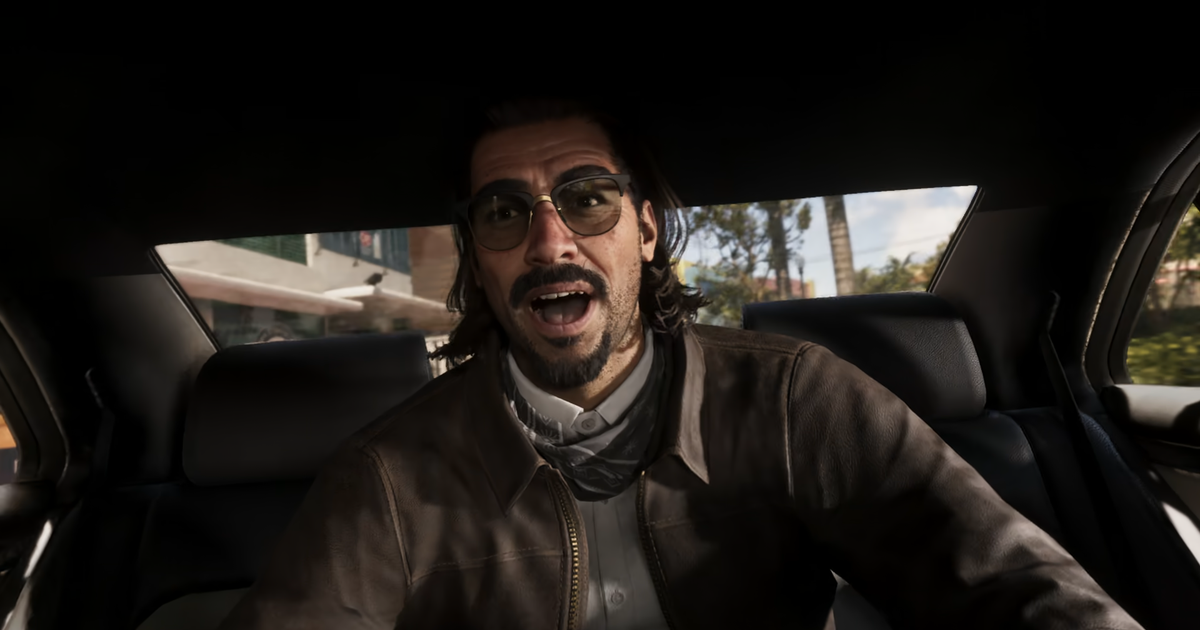
GTA 6's Realism Gamble: Will Player Patience Pay Off?
Byte-Pulse examines GTA 6's shift to ultra-realism, from complex Wanted systems to car refueling, and questions if 'ambition' justifies potential player friction.

Rockstar's Netflix Gambit: A 'New Thing' or Calculated Content Gate?
Rockstar Games initiated the Netflix exclusive 'extended look' for GTA 6, drawing ire from fans. We dissect the strategy and its implications.
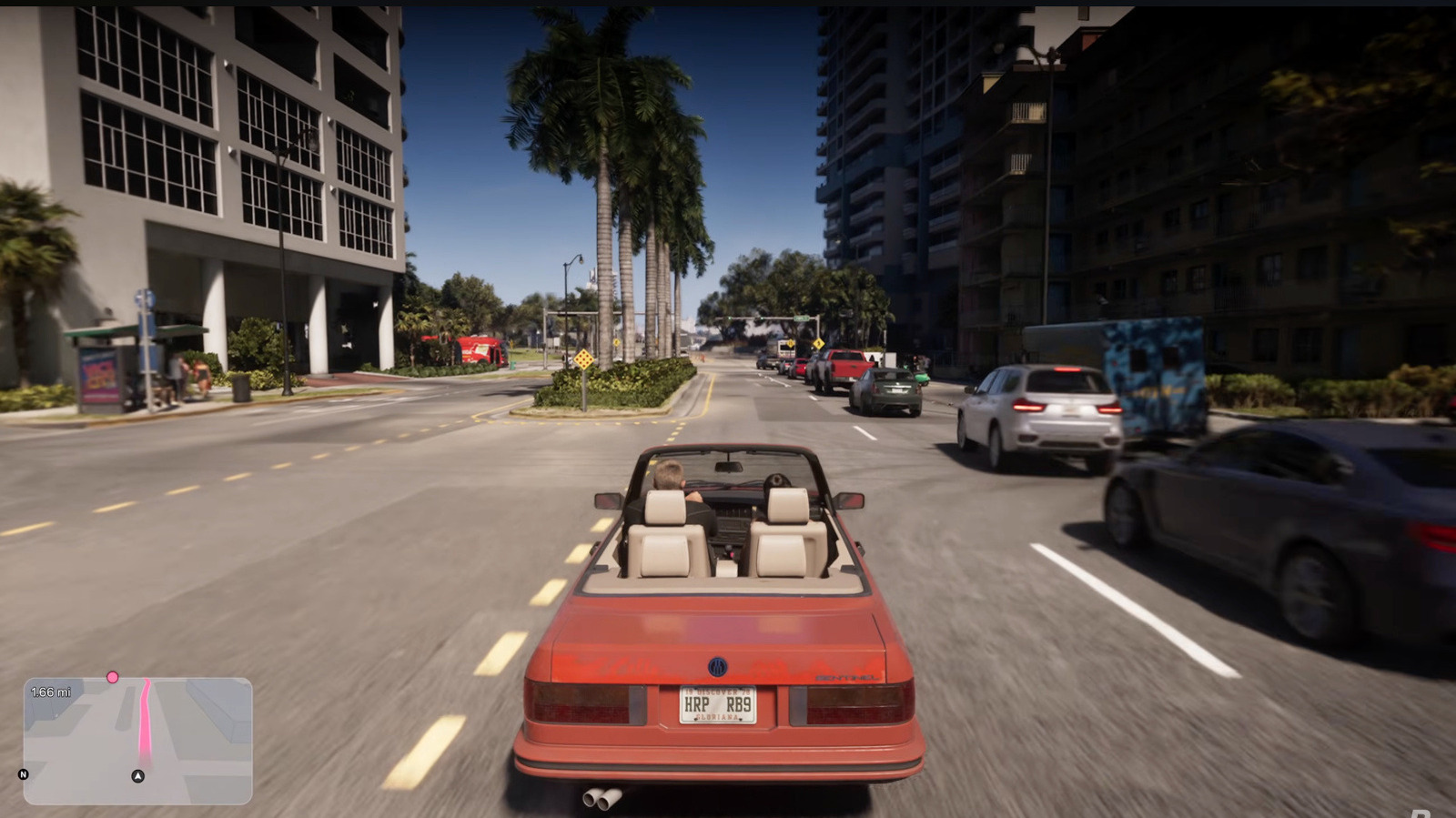
GTA VI: Beyond the Hype - Costs, Console Choices, and Cyber Threats
Byte-Pulse examines GTA VI's colossal scope, the practicalities of console choice, and the digital dangers lurking beneath the launch hype.
The Byte-Pulse Newsroom is the editorial system that produces Byte-Pulse's daily tech news coverage. Each story is cross-referenced across 3+ independent outlets, drafted with AI assistance by the newsroom system (Drafter → Editor → Fact-Checker → Polisher), and reviewed by Serhat Er, Editor-in-Chief, before publication. We disclose AI augmentation openly. Editorial accountability stays with the named editor on every article. Tips: editorial@byte-pulse.net.
Don’t miss these
Proton VPN vs NordVPN: Which One Earns Your Subscription?
A deep dive into Proton VPN and NordVPN, comparing their privacy, performance, features, and value, helping you make an informed decision.
Perplexity Pro vs ChatGPT Plus: Which AI Assistant Fits Your Workflow?
This guide lays out the strengths and approaches of Perplexity Pro and ChatGPT Plus, helping you identify which AI assistant aligns with your specific needs.

Apple's AI Pivot: Vision Pro Content Cut, Siri Rebuilt Amid Layoffs
Apple's latest layoffs signal a strategic pivot, dialing back high-cost Vision Pro content while re-tooling Siri for the AI era. What's next for Apple?

Apple's 'Deep Discounts': US Inventory Flush, Not European Bargains
Byte-Pulse examines Apple's recent US sales, revealing that 'deep discounts' on popular devices like the iPhone 17 Pro and M3 iPad Air are less about consumer savings and more about clearing stock ahead of new launches. We critically assess whether these offers translate to real value for European buyers.

D23 2026: Disney's Content Deluge Sparks Questions About Strategy
Byte-Pulse cuts through D23 hype: We dissect Disney's ambitious content slate, from Simpsons: Hit & Run to Ahsoka season 2, and question the real-world implications and European market strategy.
Notion vs Obsidian: Which Knowledge Hub Fits Your Workflow?
Deciding between Notion and Obsidian? We break down the core differences in philosophy, data ownership, collaboration, and extensibility to help you choose.