macOS 27 Golden Gate: A Mixed Bag of Design and Performance Reviews
Outlets present contrasting views on Apple's latest OS features.

<markdown>
Apple's Liquid Glass design gets mixed reviews
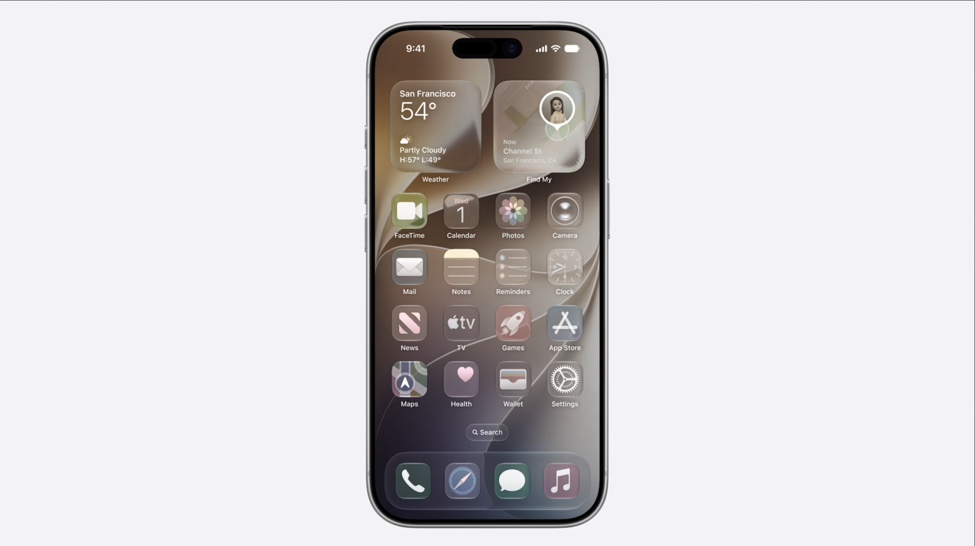
Apple's new Liquid Glass design in macOS 27 Golden Gate has sparked varied reactions from tech outlets. The design incorporates a novel approach to translucency, allowing users to exert more control over how light or tinted these effects appear. This customization is achieved through a slider, offering settings ranging from fully transparent to a more opaque, tinted look. This change aims to enhance user customization, a direction Apple has been moving towards in recent years to cater to a broader audience.
Ars Technica reports that the updated design offers more control over translucency, which is intended to provide users with a more personalized interface. Heise notes that while the design remains attractive, it has been refined based on user feedback, especially to improve readability—an issue that was noted in macOS 26 Tahoe. One significant change is the addition of a defined toolbar background. This addresses previous complaints where icons seemed to float unnaturally above the content, creating a disjointed visual experience.
Golem emphasizes these tweaks showcase Apple's commitment to usability alongside aesthetic innovation. Engadget takes a neutral stance, suggesting that while Liquid Glass is more customizable, earlier versions were not problematic for everyone, indicating that user experience can vary significantly.
The mixed reviews suggest Apple has made strides in addressing concerns, but its design philosophy may still divide opinion. Some users will appreciate the new slider for its enhanced flexibility, while others might still question Apple's aesthetic choices, possibly finding them too radical or unnecessary. For those who preferred the more static design elements of earlier macOS versions, this new level of customization might seem overwhelming or even redundant.
Performance upgrades: Are they enough to satisfy users?
Performance improvements in macOS 27 have caught attention, but reports differ on how significant they really are. Heise claims the update focuses on boosting system stability and speed rather than adding flashy new features. They suggest applications may launch faster, and content in the Photos app could load quicker than before. This aligns with Golem’s report, which highlights Apple’s aim for a more streamlined user experience.
Compared to macOS 26 Tahoe, where users reported occasional lags and slower response times, macOS 27 aims to rectify these issues by optimizing system processes. Apple has historically focused on seamless integration between hardware and software, ensuring that even older Mac models receive performance boosts from new updates.
Ars Technica takes a more cautious view, suggesting that while performance optimizations are welcome, some users might still crave more substantial new features. Engadget acknowledges overall speed improvements but warns against relying too heavily on iterative enhancements instead of innovative updates. This sentiment reflects a broader expectation within the tech community that Apple should continue to push boundaries, not just polish existing features.
In practical terms, the performance enhancements might be most noticeable to users who engage in resource-intensive tasks, such as video editing or running multiple applications simultaneously. The improved speed and stability could translate to fewer crashes and smoother operation, making macOS 27 a reliable choice for power users and creatives alike.
Siri AI's role in macOS 27: Incremental improvements?
The integration of Siri AI into macOS 27 has sparked conversation about its impact. Engadget describes Siri AI as a more conversational tool, akin to ChatGPT and other AI models, potentially increasing its utility. They highlight how Siri AI will be integrated into Spotlight, facilitating easier command execution and information gathering.
This integration represents a subtle yet potentially impactful shift towards more intuitive user interactions. By embedding AI into the core search functionality, Apple is aiming to simplify the way users interact with their devices. However, the success of this feature heavily depends on Siri AI's ability to understand and process complex queries, a challenge that AI systems continually face.
On the flip side, Heise provides a skeptical view, pointing out potential limitations in its rollout, especially in the European Union. They stress that while enhancements are expected, users will only see practical benefits over time, given Siri AI's past delays. Ars Technica echoes this concern, suggesting that while Siri AI’s capabilities sound promising, their effectiveness in practice remains to be seen.
For users, the incremental improvements in Siri AI could mean more natural interactions with their devices, potentially reducing the time spent navigating through menus or typing out searches. However, this promise hinges on Apple's ability to deliver accurate and relevant results consistently.
The significance of the Golden Gate name for Apple's branding
The branding of macOS 27 as Golden Gate has led to discussions about its significance beyond just a name. Golem notes Apple's tradition of naming operating systems after Californian landmarks continues. The Golden Gate Bridge symbolizes connectivity and innovation. This branding choice acts as both a marketing strategy and a reflection of Apple’s commitment to California's ethos.
However, Heise and Ars Technica warn that while the name is meaningful, it could overshadow the actual update. Heise points out that this branding might inflate user expectations for revolutionary changes, while Ars Technica stresses the need to focus on real enhancements instead of getting caught up in the narrative around the name.
In a European context, where Apple's brand is seen as both aspirational and innovative, the Golden Gate name might evoke a sense of connectivity and modernity, aligning with the continent's tech-forward aspirations. However, there is a risk that users might expect groundbreaking changes that the update does not deliver, leading to possible dissatisfaction.
User feedback drives changes: What features are being improved?
User feedback has played a crucial role in shaping macOS 27, especially regarding the Liquid Glass design and performance improvements. Reports show that adjustments to transparency effects and the return of defined toolbars came directly from user input. This reflects Apple’s willingness to listen and adapt.
Ars Technica backs this up by detailing changes to app toolbars and sidebars, showing that user experience considerations are central to this update. But Golem expresses concern that while user feedback is being used, it’s unclear if these changes will satisfy everyone, especially given the mixed reviews on the Liquid Glass design.
For Apple, the challenge will be maintaining an open dialogue with its user base. The tech giant has always prided itself on delivering products that not only meet but exceed expectations. However, as user needs evolve, so too must Apple's approach to incorporating feedback into their development process.
What remains uncertain is how Apple will continue to prioritize user feedback in future updates. Will there be a mechanism for ongoing user input, or will the company rely on periodic major updates to address user concerns? The future of macOS will depend on Apple’s ability to maintain an open dialogue with its users, ensuring they not only hear but act on feedback.
Compared to: macOS 26 Tahoe
Comparing macOS 27 Golden Gate to its predecessor, macOS 26 Tahoe, offers insight into Apple's evolutionary approach. With macOS 26 Tahoe, Apple introduced a significant design overhaul, emphasizing bold new visual elements and features like the Control Center. Users appreciated the fresh look, but some found the changes disorienting, particularly regarding transparency effects and icon placement.
In contrast, macOS 27 Golden Gate appears more iterative, focusing on refining and enhancing existing features based on user feedback. The Liquid Glass design addresses specific criticisms of macOS 26, aiming to strike a balance between aesthetic appeal and functionality.
Performance-wise, macOS 27 builds on the foundation laid by Tahoe, promising better stability and speed. While Tahoe introduced new features, Golden Gate aims to optimize the user experience, potentially making it more appealing to users who prioritize efficiency and reliability over new functionality.
Price-wise, the update follows Apple's tradition of including it with supported hardware at no additional cost, reinforcing their ecosystem strategy. However, users with older hardware might notice varying levels of performance improvements, as Apple's optimizations are typically more pronounced on newer devices.
Real daily-use scenario
Consider a graphic designer who relies heavily on their Mac for work. They start their day by opening multiple applications, including Adobe Creative Suite and several browser tabs for research. With macOS 27 Golden Gate, they notice a smoother transition between apps and faster loading times, particularly when accessing large files in the Photos app.
The designer appreciates the Liquid Glass design, which allows them to adjust the translucency of their toolbars, reducing glare and improving focus. Additionally, the enhanced Siri AI integration in Spotlight helps them quickly find files and execute commands without leaving their workspace.
These improvements contribute to a more efficient workflow, allowing them to spend more time on creative tasks rather than dealing with system slowdowns or interface distractions.
What this means for you
For the average user, macOS 27 Golden Gate offers enhancements that aim to improve daily interactions with their Mac. If you value customization, the Liquid Glass design provides new opportunities to tailor the interface to your preferences. Performance improvements mean a more reliable and responsive system, which is beneficial for both casual and power users.
The integration of Siri AI into Spotlight could simplify tasks and searches, making the system more intuitive to use. However, the actual benefits will depend on how well the AI can understand and execute complex queries in practice.
If you're an existing macOS user, these updates might not feel revolutionary, but they represent a step towards a more polished and user-centered experience. If you're considering switching to a Mac, these refinements highlight Apple's commitment to delivering a seamless, integrated ecosystem.
What's still unclear
Despite the positive strides, there remain uncertainties about the full impact of macOS 27 Golden Gate. The effectiveness of Siri AI's integration and its real-world utility is still to be determined, especially in regions with stricter data regulations like the EU.
Additionally, while user feedback has been a driving force behind many changes, it remains to be seen how Apple will maintain this feedback loop. Will future updates continue to refine user-requested features, or will Apple shift focus to new innovations?
Hardware compatibility is another area of uncertainty. While Apple typically supports a broad range of devices with new updates, the performance gains might be less noticeable on older models, impacting the user experience.
Closing Take
macOS 27 Golden Gate finds itself at a crossroads of user expectations and Apple’s branding strategy. Updates to Liquid Glass design and performance enhancements have sparked both praise and skepticism. The role of Siri AI might be crucial for user satisfaction. As Apple moves ahead, insights from user feedback will be essential in shaping future OS updates, ensuring the company stays responsive to its users' needs.
Ultimately, the success of macOS 27 Golden Gate hinges not just on its features but on Apple’s commitment to ongoing improvement and user engagement. In a competitive landscape where user preferences can shift rapidly, Apple’s ability to adapt and innovate will determine the long-term appeal of its operating systems. </markdown>
Sources cross-referenced
This story was synthesised from reporting by 4 outlets:
1. Ars Technica 2. Heise 3. Golem 4. Engadget
Discuss this story
Got a take, a correction, or a follow-up tip? Reply where you read — we read everything.
Found an error? File a correction at /corrections. Substantive corrections are logged publicly.
One short email. The most important Software news, fact-checked, no fluff. Free, unsubscribe anytime.
More from Software
Proton VPN vs NordVPN: Which One Earns Your Subscription?
A deep dive into Proton VPN and NordVPN, comparing their privacy, performance, features, and value, helping you make an informed decision.
Notion vs Obsidian: Which Knowledge Hub Fits Your Workflow?
Deciding between Notion and Obsidian? We break down the core differences in philosophy, data ownership, collaboration, and extensibility to help you choose.
Proton Mail vs Gmail: Which Email Service Fits Your Digital Life?
Unsure about Proton Mail vs Gmail? We break down security, features, pricing, and daily use so you can confidently pick the email service that aligns with your priorities.

Apple's Beta Updates: Enhancements, Challenges, and Future Outlook
Exploring the latest beta updates from Apple for tvOS, macOS, and visionOS, including key features and performance issues.
The Byte-Pulse Newsroom is the editorial system that produces Byte-Pulse's daily tech news coverage. Each story is cross-referenced across 3+ independent outlets, drafted with AI assistance by the newsroom system (Drafter → Editor → Fact-Checker → Polisher), and reviewed by Serhat Er, Editor-in-Chief, before publication. We disclose AI augmentation openly. Editorial accountability stays with the named editor on every article. Tips: editorial@byte-pulse.net.
Don’t miss these
AMD Ryzen 7 9800X3D vs Intel Core Ultra 7 265K: Which Chip Drives Your Next Build?
Deciding between AMD's V-Cache prowess and Intel's new Ultra architecture? This guide cuts through the noise to show you what each CPU truly offers for your money.
Asus ROG Phone 9 vs Sony Xperia 1 VII: Which Niche Flagship Earns Your Money?
Deciding between the gaming-focused ROG Phone 9 and the creator-centric Xperia 1 VII? This guide breaks down every spec to help you choose.
Perplexity Pro vs ChatGPT Plus: Which AI Assistant Fits Your Workflow?
This guide lays out the strengths and approaches of Perplexity Pro and ChatGPT Plus, helping you identify which AI assistant aligns with your specific needs.
AMD Ryzen 9 9950X3D vs Intel Core Ultra 9 285K: Next-Gen Desktop Showdown
A deep dive into the expected strengths of AMD's Zen 5 X3D and Intel's next-gen Core Ultra K-series, laying out the trade-offs for serious buyers.
Honor Magic 8 Pro vs Samsung Galaxy S26 Ultra: Which Future Flagship Fits Your Wallet and Workflow?
Deciding between the anticipated Honor Magic 8 Pro and Samsung Galaxy S26 Ultra? Our deep dive into expected specs and features provides the fair comparison you need.
Claude Pro vs Google Gemini Advanced: Which AI Assistant Deserves Your Subscription?
This definitive guide cuts through the marketing to give you a fair, balanced breakdown of Claude Pro and Gemini Advanced, letting you decide which AI best fits your workflow.