Colossal Biosciences Hatches Chicks in 3D-Printed Eggshells
De-extinction firm moves closer to reviving extinct species using artificial eggs.

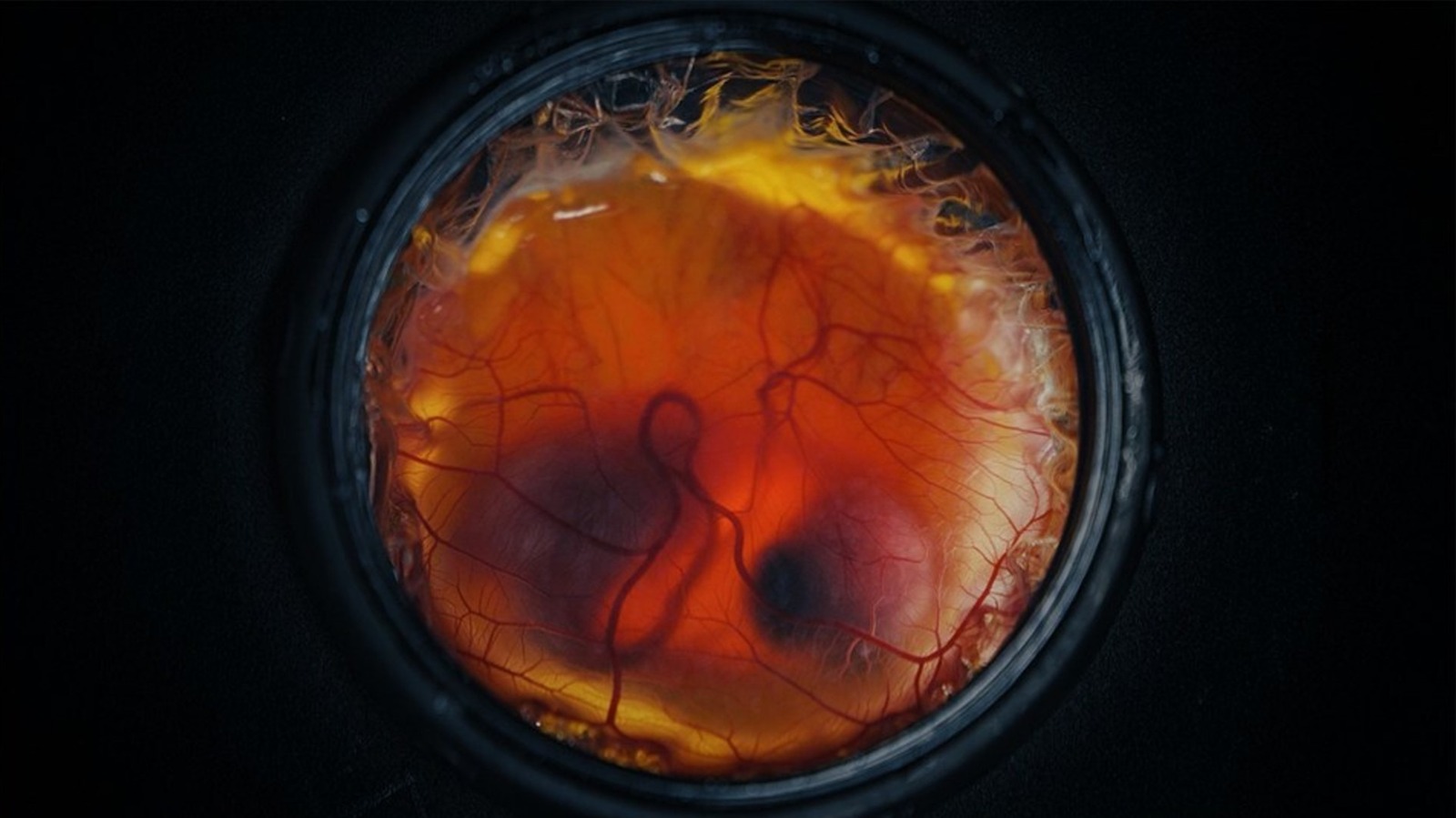
Colossal Biosciences Hatches Chicks in 3D-Printed Eggshells
Twenty-six healthy chicks. Hatched not from a hen, but from a 3D-printed eggshell. That's the latest from Colossal Biosciences, the company famous for its de-extinction ambitions.
It's a big step. Part of their larger, long-shot goal: bringing back extinct species like the South Island giant moa and the dodo.
The Tech Behind Artificial Eggshells
So, how do you 3D-print an egg? These shells are made from a semi-permeable silicone-based membrane. It's a lattice, really. This design allows oxygen to permeate while keeping the developing chick protected. A rigid support cup holds the whole thing together, mimicking the natural strength and shape of a bird's eggshell.
The key innovation here is the embryo transfer process. Transferring the embryo from a naturally laid egg into this artificial structure is delicate, requiring precision and care to ensure the embryo remains viable. Colossal isn't messing with genetics at the egg stage. Not yet, anyway. This is strictly an incubation vessel at present.
For huge extinct species, like the moa, which laid eggs way bigger than any living bird's, this tech could be crucial. The typical moa egg was around 24 times the size of a chicken egg. To bring back such a species, scientists would need a way to safely incubate these large embryos. The company's even looking at using existing birds – think Nicobar pigeons and emus – as surrogate egg producers for their projects. These birds were chosen for their closer genetic ancestry to the extinct species Colossal aims to resurrect.
Criticism and Conservation Potential
But it's not all applause. Colossal's projects have drawn plenty of criticism. Some scientists are asking: why focus on dead species when so many endangered ones need help right now? The global extinction rate is accelerating, with estimates suggesting up to a million species could be threatened with extinction in the coming decades.
Critics argue this tech might create genetically modified birds, sure. But that's not the same as resurrecting a true extinct species. It's a fair point. The ethical considerations are complex. There are concerns about the ecological impact of introducing species that have been absent for centuries, or even millennia, into modern ecosystems.
There's also the argument about resource allocation. The technology required for de-extinction is expensive and labor-intensive. Could these resources be better spent on preserving existing biodiversity? Conservationists stress the importance of protecting habitats and addressing the immediate threats to wildlife, such as habitat loss and climate change.
Europe's Role in Space Science
Meanwhile, in other science news, far from prehistoric birds, the European Space Agency (ESA) just launched the Smile spacecraft. They teamed up with the Chinese Academy of Sciences (CAS) on this one. Its mission? To study Earth's magnetic shield. This mission should give us better insights into how our planet's 'invisible armor' interacts with solar winds. That could mean better protection for our space technologies. Pretty important, right?
As space technology becomes more integral to global communications and navigation systems, understanding and mitigating the effects of solar activity on these technologies is crucial. The Smile mission represents a significant investment in international collaboration and scientific discovery, showcasing Europe’s commitment to leading in space exploration.
Context: De-extinction and Europe's Scientific Initiatives
Colossal Biosciences' work is part of a broader biotech trend. Using genetic and technological innovations for conservation and species revival. Over in Europe, the focus is on scientific collaboration. The Smile mission shows the continent's commitment to leading in space exploration and environmental science.
Both these initiatives highlight a growing recognition of the role technology can play in solving pressing environmental and scientific challenges. Whether it’s bringing back extinct species or protecting the planet from solar storms, these innovations are pushing the boundaries of what’s possible.
What This Means for You
So, what's this all mean for you? These developments could shift how we approach conservation. Big time. Artificial eggshells for endangered species? It's possible. It could change ecological and biodiversity strategies worldwide.
Imagine a future where endangered species can be saved from extinction through advanced incubation technologies. Such capabilities might allow for more controlled and safe breeding programs, giving species on the brink of extinction a fighting chance. This approach could complement existing conservation efforts, providing a technological boost where natural methods fall short.
What's Still Unclear
Still a lot we don't know, though. How scalable is this artificial eggshell tech for different species? Will the ethical and ecological questions around de-extinction get sufficiently addressed? And honestly, how will the broader scientific community react to all this?
The scalability of this technology is a significant concern. Printing an eggshell for a chicken is one thing, but for a giant moa or a woolly mammoth, the challenges multiply. Not just in terms of size, but in terms of the biochemical needs of different embryos.
There's also the question of public acceptance. How will society react to the idea of resurrected species? These are questions that require input from not just scientists, but ethicists, policymakers, and the public.
Why This Matters
Colossal Biosciences' 3D-printed eggshells? That's a huge innovation in biotechnology. It's where technology and conservation meet. Potentially, it's a new era for species revival. As Europe keeps pushing boundaries in space science, these collective efforts highlight the critical role of innovation in tackling global challenges.
The intersection of technology, ethics, and conservation presents both exciting possibilities and profound questions. It's a reminder that as we push the boundaries of scientific discovery, we must also carefully consider the implications of our actions. Whether it’s bringing back extinct species or protecting our planet from solar winds, these efforts underscore the importance of thoughtful innovation in addressing the challenges of the future.
Discuss this story
Got a take, a correction, or a follow-up tip? Reply where you read — we read everything.
Found an error? File a correction at /corrections. Substantive corrections are logged publicly.
One short email. The most important Science news, fact-checked, no fluff. Free, unsubscribe anytime.
More from Science
Quantum Computing Explained for Developers: A 2026 Update
Explore quantum computing fundamentals, hardware, and how it impacts software development in this comprehensive guide for developers.
Quantum Computing Advances: Key Updates from Microsoft, Atom, and EeroQ
Microsoft, Atom Computing, and EeroQ share key updates in their quantum computing efforts, marking steady progress toward practical applications.

Star City Explores the Human Cost Behind the Soviet Space Program
Forget Mars colonies. Star City, the new spin-off from For All Mankind, dives deep into the gritty, dangerous, and often ethically complex world of the Soviet space program in the late 1960s.
A Gritty, High-Stakes Drama: Exploring the Soviet Space Program in Star City
Explore the untold story of the Soviet space program in Star City, a new Apple TV+ series that swaps the familiar American perspective for a gritty, high-stakes drama centered on its visionary, yet constrained, leadership.
The Byte-Pulse Newsroom is the editorial system that produces Byte-Pulse's daily tech news coverage. Each story is cross-referenced across 3+ independent outlets, drafted with AI assistance by the newsroom system (Drafter → Editor → Fact-Checker → Polisher), and reviewed by Serhat Er, Editor-in-Chief, before publication. We disclose AI augmentation openly. Editorial accountability stays with the named editor on every article. Tips: editorial@byte-pulse.net.
Don’t miss these
Asus ROG Phone 9 vs Sony Xperia 1 VII: Which Niche Flagship Earns Your Money?
Deciding between the gaming-focused ROG Phone 9 and the creator-centric Xperia 1 VII? This guide breaks down every spec to help you choose.
Proton VPN vs NordVPN: Which One Earns Your Subscription?
A deep dive into Proton VPN and NordVPN, comparing their privacy, performance, features, and value, helping you make an informed decision.
Perplexity Pro vs ChatGPT Plus: Which AI Assistant Fits Your Workflow?
This guide lays out the strengths and approaches of Perplexity Pro and ChatGPT Plus, helping you identify which AI assistant aligns with your specific needs.

Pokémon TCG Movie Signals Strategic Media Pivot for The Pokémon Company
A new Pokémon movie focused on the TCG is coming in 2027, marking a strategic pivot for the franchise as it navigates massive global fan engagement and logistical challenges.

Apple's AI Pivot: Vision Pro Content Cut, Siri Rebuilt Amid Layoffs
Apple's latest layoffs signal a strategic pivot, dialing back high-cost Vision Pro content while re-tooling Siri for the AI era. What's next for Apple?
Honor Magic 8 Pro vs Samsung Galaxy S26 Ultra: Which Future Flagship Fits Your Wallet and Workflow?
Deciding between the anticipated Honor Magic 8 Pro and Samsung Galaxy S26 Ultra? Our deep dive into expected specs and features provides the fair comparison you need.