Samsung vs. Google Health Apps: Contrasting AI Strategies in Health Tracking
Samsung's ambitious AI-driven approach contrasts with Google's steady advancements in health tracking.

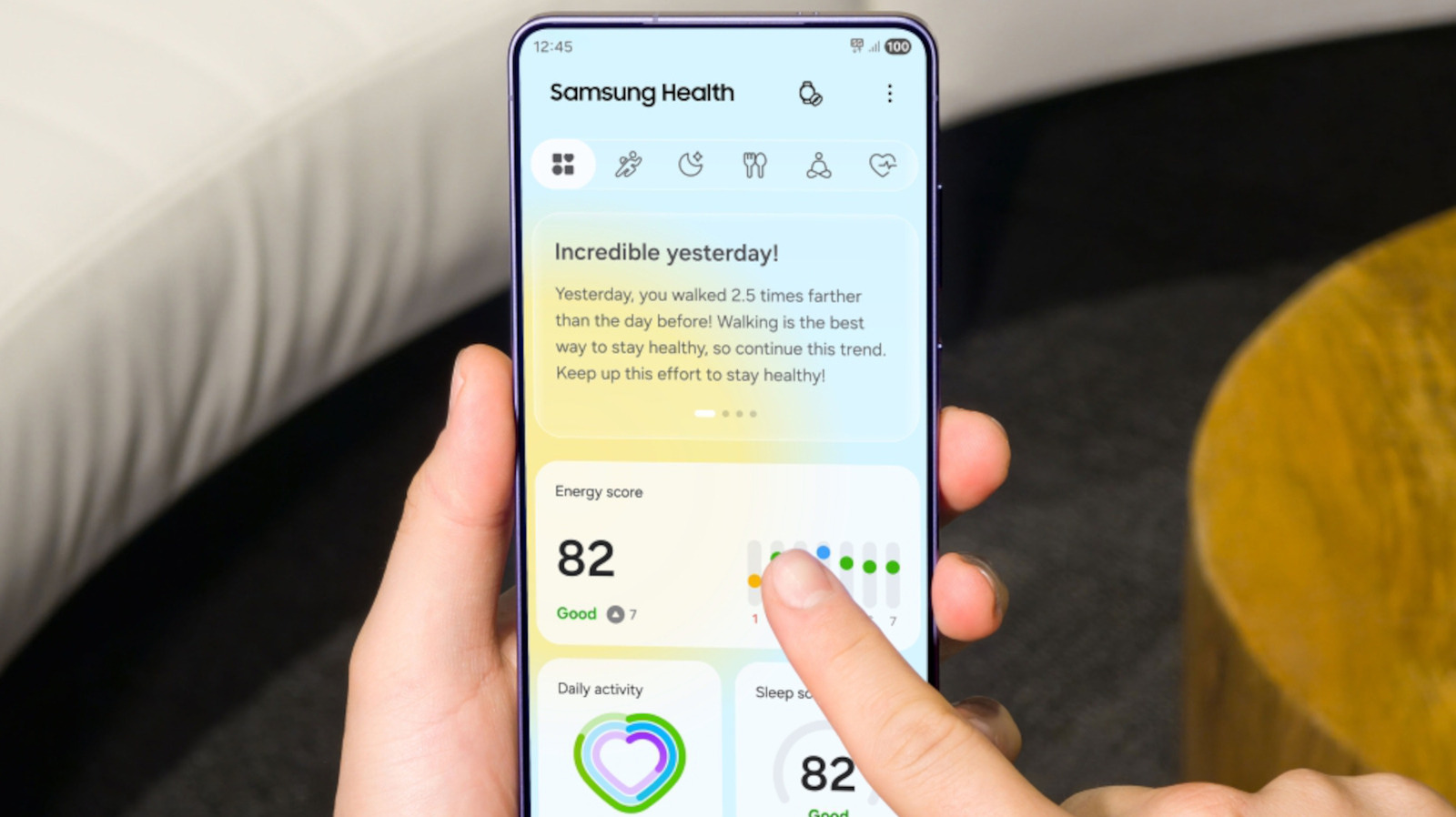
Samsung's AI Enhancements Set a New Standard for Health Tracking
Samsung's health app is getting a major upgrade, set to launch on June 8, 2023. The company is integrating generative AI to turn the Samsung Health app into a full-fledged health management platform. This platform will analyze complex biometric data and offer actionable insights. As reported by Engadget, the update includes a new Vitals feature that evaluates heart rate, heart rate variability, respiratory rate, skin temperature, and blood oxygen levels against a true resting baseline. This isn’t just a minor tweak; it’s a shift in how users interact with their health data.
The updated Heart Health Score combines various metrics—sleep, stress, activity, and body composition—to provide a single score that reflects overall heart health. This unique approach helps users make better lifestyle choices, like dietary changes and exercise plans. Features such as Daily Cardio Load offer personalized training suggestions based on individual metrics, while the Fitness Index compares user performance with peers, fostering a friendly competition.
Samsung is also gearing up for the launch of the Galaxy Watch 9 and Ultra 2, signaling a plan to create a seamless ecosystem between hardware and software. With these new devices, the app’s full potential will be unleashed, indicating a long-term vision focused on user engagement and health outcomes. Overall, Samsung is raising the bar in health tracking, pushing into areas that competitors have yet to explore.
Google Health's Incremental Updates Focus on User Nutrition and Fitness Fixes
On the flip side, Google has released version 5.01 of its Health app, which includes 16 updates aimed at enhancing user experience, especially in nutrition and fitness. According to 9to5Google, while these updates aren’t as ambitious as Samsung's, they refine existing features instead of introducing new ones. Improvements in logging custom foods, fixing workout labels, and making sleep scoring more reliable highlight this strategy.
This update focuses on providing actionable insights, particularly in nutrition management. Features like macronutrient goal guidance and better third-party meal logging show Google’s commitment to usability. But let’s be honest, compared to Samsung's bold AI moves, Google’s updates might feel a bit underwhelming. Is Google keeping pace with the rapidly changing health app landscape? It’s hard to say.
Where Samsung and Google Diverge in Health App Functionality
The main difference between Samsung's and Google's health apps lies in how they function. Samsung's updates harness AI for comprehensive health insights, while Google's focus is on refining existing features. Samsung’s Vitals and Heart Health Score give users a broad view of their health, flagging potential issues based on real-time data. Google’s enhancements ensure users can log, track, and analyze health data without any major hiccups.
Samsung’s multifaceted approach aims for a more engaging user experience. Meanwhile, Google sticks to usability, catering to those who prefer a straightforward interface. Samsung's willing to take risks and innovate, while Google seems more cautious, leaning on refining user experience rather than shaking things up.
Which Health App Offers the More Comprehensive User Experience?
When it comes to user experience, Samsung’s Health app clearly stands out with its ambitious features, promising a more engaging interaction with health data. The new features aim to change how users understand and manage their health. Thanks to AI, predictive analytics are now part of the mix, significantly boosting user engagement and motivation.
In contrast, Google Health adopts a more traditional approach. Sure, the updates are useful, but they lack the same excitement or engagement as Samsung’s offerings. Users looking for a comprehensive and interactive experience might find Samsung’s app more appealing, especially if they own devices within Samsung’s ecosystem, like the Galaxy Watch.
Compared to: Samsung vs. Google Health Apps
Let's compare Samsung's and Google's health apps side by side. Samsung's latest update brings a comprehensive AI-powered health management system that is deeply integrated with its Galaxy ecosystem. This approach is designed to provide users with a more holistic view of their health. In contrast, Google's updates are more about refining existing functionalities, focusing on improvements rather than groundbreaking new features.
Pricing and Specifications
Samsung Health is free for users with Samsung devices and offers a premium model with extended features. The Galaxy Watch 9 is expected to be priced at approximately €299, and the Ultra 2 could be around €499, based on previous models' pricing. Google's health app, on the other hand, remains free for all users but lacks a premium tier with advanced features.
Samsung's hardware, like the Galaxy Watch, offers comprehensive biometric tracking, which complements the app's features. Google's offering, while robust in software, doesn’t pair with dedicated hardware, limiting its ability to provide as in-depth health insights as Samsung’s ecosystem.
Real Daily-Use Scenario
Consider a regular user, Emma, who is trying to manage her health better. With Samsung's health app, Emma can use the Vitals feature to track her heart rate and respiratory rate throughout the day, receiving notifications if her vitals deviate from her norm. She can also access personalized workout plans through the Daily Cardio Load feature, which adjusts based on her current physical condition and health goals.
Emma can compare her Fitness Index against her friends and family, which motivates her to stay active and reach her health goals. In the evening, Emma reviews her Heart Health Score, which compiles her day’s activities, sleep quality, and stress levels into a single metric, helping her identify areas for improvement.
On the other hand, if Emma uses Google's health app, she can log her meals more accurately thanks to improved third-party meal logging and track her workouts with fixed labels. While these features offer reliability, they lack the personalized insights and interactive engagement provided by Samsung's app.
What This Means for You
For users deeply invested in the Samsung ecosystem, the new health app updates offer a seamless and engaging way to manage health. The integration of AI not only provides insights but also predicts health trends, allowing users to adjust their lifestyle proactively. This could be particularly beneficial for those seeking a comprehensive health management tool that goes beyond basic tracking.
For those who prioritize simplicity and reliability, Google’s health app remains a solid choice. It may not offer the same depth of insights, but it provides a stable, user-friendly platform for tracking essential health metrics. The focus on nutrition and fitness makes it a practical option for users who want to maintain a healthy lifestyle without the bells and whistles.
What's Still Unclear
While Samsung's AI-driven features sound promising, their effectiveness in real-world scenarios remains to be seen. The accuracy of predictive analytics and the app’s ability to adapt to diverse user needs are still questions on the table. Similarly, Google’s updates, while practical, don’t indicate a significant shift towards integrating more sophisticated technologies like AI, leaving one to wonder about its long-term strategy in the health app space.
Closing Take
Samsung’s ambitious move to integrate AI into its health app sets a new benchmark in the health tech industry. With the Galaxy Watch 9 and Ultra 2 on the horizon, Samsung is well-positioned to offer an enriched user experience that could redefine health management. Google, meanwhile, continues to play it safe with incremental improvements that prioritize stability and ease of use.
For consumers, the choice between Samsung and Google health apps will likely come down to personal preference and ecosystem investment. Those looking for a cutting-edge, interactive experience will find Samsung’s offering hard to resist, while users who value simplicity and reliability may find comfort in Google’s steady, albeit less revolutionary, updates.
Sources cross-referenced
This story was synthesised from reporting by 4 outlets:
1. Engadget 2. 9to5Google 3. 9to5Google 4. GSMArena
Cases, chargers and AirPods alternatives the editors actually use.
Shop mobile gear →Discuss this story
Got a take, a correction, or a follow-up tip? Reply where you read — we read everything.
Found an error? File a correction at /corrections. Substantive corrections are logged publicly.
One short email. The most important Mobile news, fact-checked, no fluff. Free, unsubscribe anytime.
More from Mobile
Asus ROG Phone 9 vs Sony Xperia 1 VII: Which Niche Flagship Earns Your Money?
Deciding between the gaming-focused ROG Phone 9 and the creator-centric Xperia 1 VII? This guide breaks down every spec to help you choose.
Honor Magic 8 Pro vs Samsung Galaxy S26 Ultra: Which Future Flagship Fits Your Wallet and Workflow?
Deciding between the anticipated Honor Magic 8 Pro and Samsung Galaxy S26 Ultra? Our deep dive into expected specs and features provides the fair comparison you need.
Xiaomi 16 Pro vs iPhone 18 Pro: Which Flagship Fits Your World?
Deciding between the Xiaomi 16 Pro and iPhone 18 Pro? We break down every spec and trade-off, so you can make the choice that's right for you.
Motorola Edge 60 Ultra vs OnePlus 13: Which Android Flagship Fits Your Priorities?
Motorola Edge 60 Ultra and OnePlus 13 both aim for top-tier Android. We cut through the marketing to reveal the true differences, helping you choose.
The Byte-Pulse Newsroom is the editorial system that produces Byte-Pulse's daily tech news coverage. Each story is cross-referenced across 3+ independent outlets, drafted with AI assistance by the newsroom system (Drafter → Editor → Fact-Checker → Polisher), and reviewed by Serhat Er, Editor-in-Chief, before publication. We disclose AI augmentation openly. Editorial accountability stays with the named editor on every article. Tips: editorial@byte-pulse.net.
Don’t miss these
NVIDIA RTX 4070 Ti Super vs. RTX 5070 (Rumored): The 'Buy Now or Wait' Dilemma
Deciding between a powerful current-gen GPU and the promise of next-gen performance requires a clear-eyed look at immediate needs versus future potential. This guide lays out the trade-offs.
Proton VPN vs NordVPN: Which One Earns Your Subscription?
A deep dive into Proton VPN and NordVPN, comparing their privacy, performance, features, and value, helping you make an informed decision.
Perplexity Pro vs ChatGPT Plus: Which AI Assistant Fits Your Workflow?
This guide lays out the strengths and approaches of Perplexity Pro and ChatGPT Plus, helping you identify which AI assistant aligns with your specific needs.

Pokémon TCG Movie Signals Strategic Media Pivot for The Pokémon Company
A new Pokémon movie focused on the TCG is coming in 2027, marking a strategic pivot for the franchise as it navigates massive global fan engagement and logistical challenges.

D23 2026: Disney's Content Deluge Sparks Questions About Strategy
Byte-Pulse cuts through D23 hype: We dissect Disney's ambitious content slate, from Simpsons: Hit & Run to Ahsoka season 2, and question the real-world implications and European market strategy.
RTX 5060 Ti vs RX 9060 XT: Which Mid-Range Powerhouse Fits Your Rig?
Deciding between the rumored RTX 5060 Ti and RX 9060 XT? This guide cuts through the noise to highlight the real-world trade-offs for gamers and creators.