Amazon's AI Shopping Features: Innovation or Deception?
Examining Amazon's generative AI features that visualize non-existent products.

Amazon's AI-Driven Shopping: A Leap into the Virtual Abyss
The New Frontier of Online Shopping
Amazon's venture into the world of generative AI features in its shopping app marks a significant shift in the online retail experience. By showcasing products that don’t actually exist, Amazon is testing the waters of consumer engagement in a novel way. It's a daring move that might captivate users with AI-generated images of clothing and home goods, but it also raises important questions about trust and transparency in online shopping.
What the AI Can Do
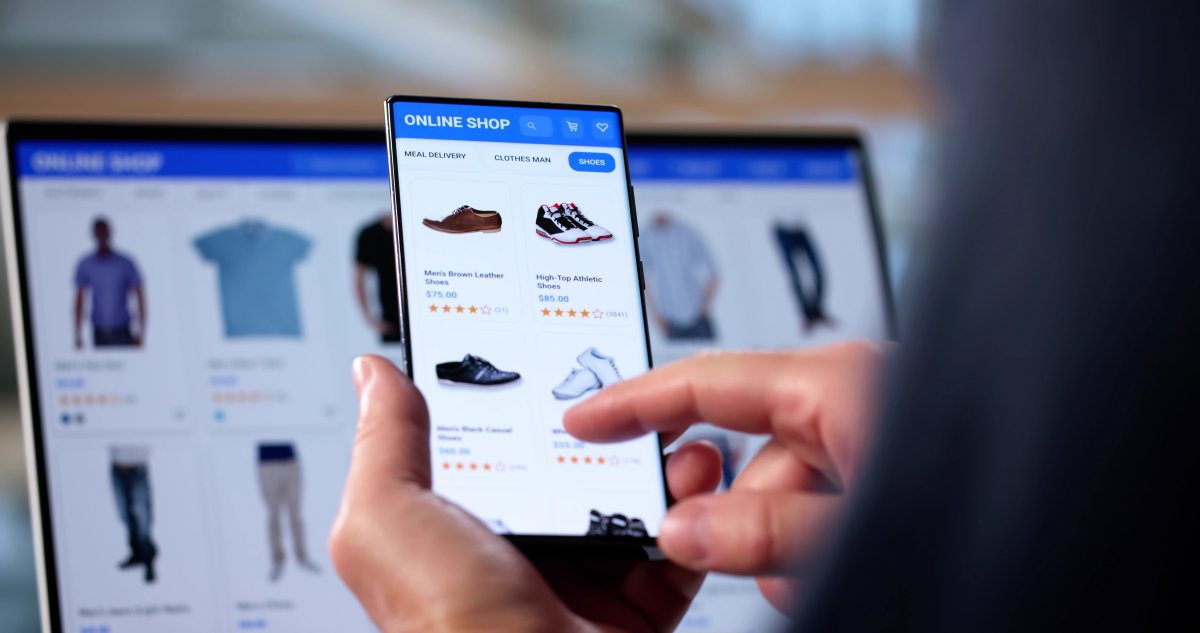
The new features are designed to enrich the user experience. When users input search queries, the app returns visuals of items, particularly in fashion and home goods categories. These images, however, are synthetic creations—products dreamed up by artificial intelligence that aren't available for purchase. If a user clicks on one of these AI-generated images, they are redirected to actual products from Amazon's vast inventory.
This feature, which Amazon calls Amazon Lens Live, is similar to Google's visual search tool, Google Lens. It allows shoppers to highlight parts of images to refine their searches, offering a more interactive and engaging way to explore products. Users can further narrow down their results using text inputs to specify colors or brands. However, this leads us to a critical question: Is this tech innovation truly enhancing the shopping experience, or is it merely setting consumers up for potential disappointment when they realize these enticing images aren't real?
The Shift in AI Assistance
In a related move, Amazon is replacing its AI shopping assistant, Rufus, with the more widely recognized Alexa for Shopping. This transition aims to provide a more comprehensive query-response experience, with Alexa offering practical tips and suggestions, such as stain removal methods with recommended Amazon products.
This shift highlights a broader trend among tech companies: the increasing use of AI to streamline customer interactions. But this also brings to the forefront concerns about transparency. As AI becomes more integrated into the shopping process, it’s crucial to consider how these tools affect consumer trust and whether they truly improve the shopping journey.
A Critical Examination of AI-Generated Products
While Amazon's AI features certainly add a layer of visual appeal to online shopping, they also introduce a host of ethical considerations. Displaying products that don’t exist poses unique challenges. If consumers become accustomed to seeing AI-generated items that aren't available for purchase, how might this impact their trust in the platform?
- Consumer Trust: Shoppers may feel misled or frustrated when they realize that the visually appealing items aren't actually for sale. This could erode trust in Amazon's brand.
- Real-World Application: While the technology is impressive, does it genuinely enhance the shopping experience? Or is it simply a distraction that might lead to dissatisfaction when expectations aren’t met?
- Market Positioning: As more companies experiment with similar technologies, how will Amazon differentiate itself in an increasingly competitive market?
Compared to Google Lens and Other Competitors
Amazon's approach differs significantly from that of its competitors. Google Lens, for instance, focuses on delivering real-world results, allowing users to find and purchase tangible products. Google's method enhances the shopping experience by providing relevant, actionable outcomes. In contrast, Amazon’s approach blurs the line between reality and fantasy. This raises the question of sustainability: Will consumers have the patience for what might be perceived as gimmicks, or will they demand more realistic and tangible interactions?
Real-World Use Scenario: A Day in the Life
Imagine you’re on the hunt for a new living room lamp. You open the Amazon app, type in your query, and are immediately drawn to a stunning, sleek design that seems perfect for your space. You click on the image, only to find it’s an AI-generated concept. Instead of the lamp you envisioned, you’re shown various alternatives from Amazon's inventory, none of which quite match the original allure. This scenario illustrates a potential friction point where AI-generated appeal meets real-world limitations. It’s a situation that could lead to frustration, highlighting a misalignment between the promise of AI and the reality of available products.
What This Means for You
For everyday consumers, this could mean the difference between a seamless shopping experience and a frustrating one. While AI can enhance visual appeal and engagement, it may also lead to disappointment if the reality doesn’t meet expectations. Users might find themselves navigating through numerous AI-generated images, only to discover that the actual products fall short of what they had imagined. This gap between expectation and reality underscores the importance of balancing innovation with practicality and authenticity.
What's Still Unclear
Despite the buzz surrounding these new features, Amazon has yet to announce when they will be available in German-speaking markets or how they will be tailored to different regions. This lack of clarity raises several questions: Will the AI-generated images be culturally relevant and region-specific? How will the technology adapt to diverse consumer needs and preferences? Moreover, how does Amazon plan to address potential consumer confusion or misapprehension caused by these synthetic product representations?
Why This Matters
The introduction of AI-generated products in Amazon’s app marks a pivotal moment in the evolution of e-commerce. While this technology has the potential to make shopping more engaging and interactive, it also carries inherent risks. Consumers need to be vigilant about the implications of these innovations, advocating for greater transparency and authenticity in their digital interactions. The success of these AI features will hinge not only on technological prowess but also on maintaining consumer trust and delivering tangible value.
As we navigate this new landscape, it’s critical to keep a watchful eye on how AI influences our shopping habits. The real-world effects of these developments are significant for building lasting relationships with consumers. Will Amazon’s latest endeavor to enhance the shopping experience succeed, or will it lead to disillusionment with AI-generated illusions? Anyone who's shipped hardware or been involved in retail knows that the balance between innovation and consumer satisfaction is delicate. The unfolding story of Amazon’s AI-driven shopping strategy is one to watch closely.
Discuss this story
Got a take, a correction, or a follow-up tip? Reply where you read — we read everything.
Found an error? File a correction at /corrections. Substantive corrections are logged publicly.
One short email. The most important AI news, fact-checked, no fluff. Free, unsubscribe anytime.
More from AI
Perplexity Pro vs ChatGPT Plus: Which AI Assistant Fits Your Workflow?
This guide lays out the strengths and approaches of Perplexity Pro and ChatGPT Plus, helping you identify which AI assistant aligns with your specific needs.
Claude Pro vs Google Gemini Advanced: Which AI Assistant Deserves Your Subscription?
This definitive guide cuts through the marketing to give you a fair, balanced breakdown of Claude Pro and Gemini Advanced, letting you decide which AI best fits your workflow.
Claude Pro vs Google Gemini Advanced: Which AI Actually Earns Your Subscription?
Byte-Pulse lays out the real trade-offs between Claude Pro and Google Gemini Advanced, helping you pick the AI that fits your workflow, without picking for you.
ChatGPT Plus vs Google Gemini Advanced: Which AI Assistant Fits Your Workflow?
Deciding between ChatGPT Plus and Google Gemini Advanced? We break down the models, features, integrations, and pricing to help you align your choice with your specific priorities.
The Byte-Pulse Newsroom is the editorial system that produces Byte-Pulse's daily tech news coverage. Each story is cross-referenced across 3+ independent outlets, drafted with AI assistance by the newsroom system (Drafter → Editor → Fact-Checker → Polisher), and reviewed by Serhat Er, Editor-in-Chief, before publication. We disclose AI augmentation openly. Editorial accountability stays with the named editor on every article. Tips: editorial@byte-pulse.net.
Don’t miss these
NVIDIA RTX 4070 Ti Super vs. RTX 5070 (Rumored): The 'Buy Now or Wait' Dilemma
Deciding between a powerful current-gen GPU and the promise of next-gen performance requires a clear-eyed look at immediate needs versus future potential. This guide lays out the trade-offs.
Asus ROG Phone 9 vs Sony Xperia 1 VII: Which Niche Flagship Earns Your Money?
Deciding between the gaming-focused ROG Phone 9 and the creator-centric Xperia 1 VII? This guide breaks down every spec to help you choose.
Proton VPN vs NordVPN: Which One Earns Your Subscription?
A deep dive into Proton VPN and NordVPN, comparing their privacy, performance, features, and value, helping you make an informed decision.

Pokémon TCG Movie Signals Strategic Media Pivot for The Pokémon Company
A new Pokémon movie focused on the TCG is coming in 2027, marking a strategic pivot for the franchise as it navigates massive global fan engagement and logistical challenges.
RTX 5060 Ti vs RX 9060 XT: Which Mid-Range Powerhouse Fits Your Rig?
Deciding between the rumored RTX 5060 Ti and RX 9060 XT? This guide cuts through the noise to highlight the real-world trade-offs for gamers and creators.
Honor Magic 8 Pro vs Samsung Galaxy S26 Ultra: Which Future Flagship Fits Your Wallet and Workflow?
Deciding between the anticipated Honor Magic 8 Pro and Samsung Galaxy S26 Ultra? Our deep dive into expected specs and features provides the fair comparison you need.