Valve Ends Physical Gift Cards Amid Rising Scam Threats
The shift to digital gift cards leaves many consumers lamenting the loss of a familiar option.

<markdown>
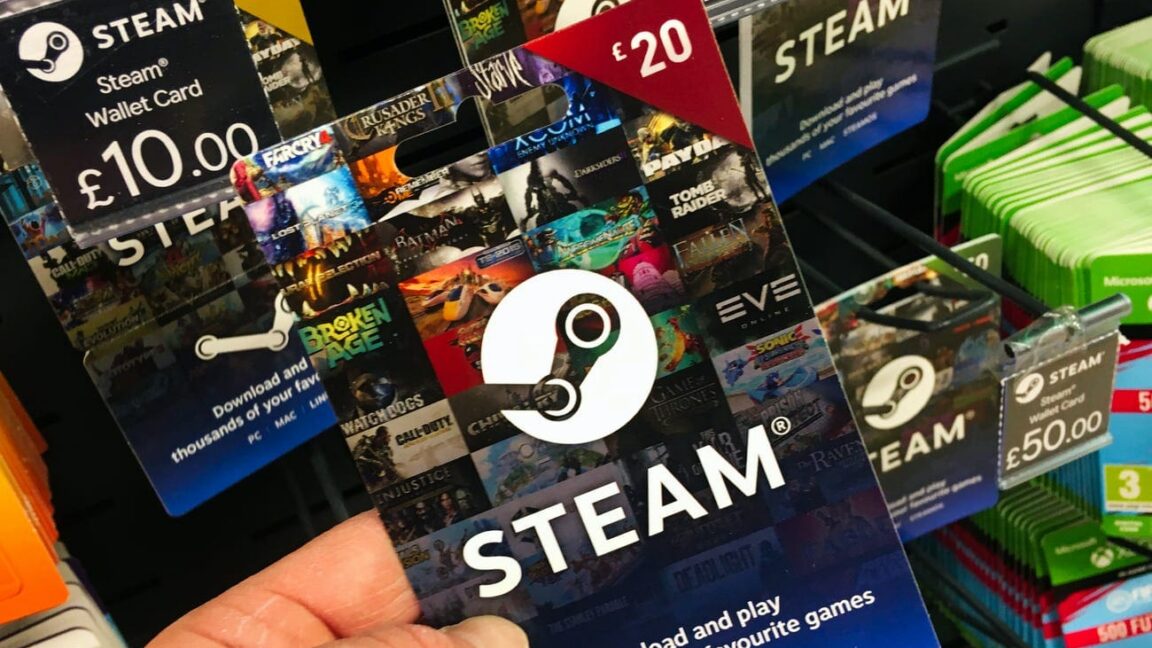
Valve's crackdown on physical gift cards stems from an increase in scams
Valve, the company behind the popular digital distribution platform Steam, has decided to cease issuing physical gift cards. This decision comes in response to a troubling rise in scams targeting these cards. According to Ars Technica, this move effectively cuts off a revenue stream and a popular gifting option that had connected cash with digital currency since their introduction in 2012. Gabe Newell, co-founder of Valve, pointed out that the costs and risks tied to scams have now begun to outweigh the benefits.
To put the situation into perspective, Valve reported an impressive $80 million in redemptions during the last 11 days of 2023 alone. Despite these numbers, the company stated that "physical cards are some of the most expensive payment methods we support." The rising rates of fraud associated with these cards have made it increasingly difficult for Valve to sustain the operational costs needed to keep them around.
Compared to: Previous Systems and Competitors
When you compare this to the past, physical gift cards have long been a staple in the gaming industry, offering a tangible way to gift digital content. Their closest predecessors were digital gift cards and codes, which have been steadily gaining popularity. Unlike physical cards, digital alternatives eliminate manufacturing and distribution costs, reduce the carbon footprint, and offer instant delivery.
In terms of competitors, platforms like Xbox and PlayStation still offer both physical and digital gift cards. However, they too are facing the challenges of increasing scams. For instance, Microsoft reported a significant rise in fraud cases related to their gift card system in 2023, prompting them to enhance security measures. Unlike Valve, these companies haven't yet pulled physical cards from the shelves, but they are actively monitoring the situation.
Price-wise, physical gift cards usually came in standard denominations of €10, €20, €50, and €100. Digital cards mirror these values, maintaining consistency across the board. The key difference is in the added convenience and security features that digital cards can offer.
Consumers voice disappointment over the loss of tangible gift cards
Not everyone is on board with this change. Many consumers express disappointment over losing a physical option they found thoughtful for special occasions. Engadget notes that this shift complicates gifting, especially for those uncomfortable with digital transactions. Social media platforms are buzzing with frustrations from users who once relied on the simplicity and personal touch of physical gift cards.
This change may hit older consumers the hardest, as highlighted by Polygon. Parents and relatives who want to gift gaming experiences now face extra challenges with digital wallets and online accounts. The learning curve associated with navigating digital platforms could discourage purchases altogether, affecting Valve's customer base.
From a broader perspective, this shift underscores a generational divide in tech adoption. Older generations often prefer the tactile nature of physical goods, while younger users are more comfortable in digital spaces. This divide can influence purchasing decisions, potentially leading to a decline in sales among less tech-savvy demographics.
How scammers are exploiting gift card systems to con users
Scammers have long targeted gift card systems to trick unsuspecting individuals. According to Eurogamer, these scams often involve impersonating government officials or trusted figures to convince victims to buy gift cards and share their codes. The Federal Trade Commission (FTC) has repeatedly warned that these scams disproportionately affect vulnerable groups, especially the elderly.
The mechanics of these scams are relatively simple yet effective. Scammers exploit the anonymity offered by online transactions, making it difficult for victims to trace or reclaim lost funds. Valve has attempted to implement protective measures, such as limiting card availability and working with law enforcement, but fraudsters continuously adapt, finding ways around these safeguards.
This ongoing issue highlights a more significant problem within digital transactions — the ease with which scammers operate online. While Valve's decision aims to protect its users, it also underscores the broader fight against fraud in our increasingly digital economy. The company is not alone in this battle; other digital platforms face similar threats and are implementing various strategies to mitigate risks.
What Valve's shift means for the future of digital transactions
Valve's choice to eliminate physical gift cards raises questions about the future of digital transactions and how other companies might tackle the growing scam issue. Ars Technica notes that this move allows Valve to distance itself from the costs linked to physical goods, aligning with industry trends towards digital-first strategies. However, could this set a precedent for other companies facing similar challenges?
The implications extend beyond Valve itself. If more traditional retailers and gaming platforms follow suit, digital transactions could dominate, potentially leaving behind users who prefer tangible options. Transitioning to digital-only experiences will necessitate consumer adaptation, potentially widening the gap between tech-savvy users and those less familiar with digital platforms.
For businesses, this shift could mean reallocating resources towards enhancing digital security and user experience. Companies may need to invest more in cybersecurity measures and customer support to ensure a smooth transition for all users.
Real Daily-Use Scenario
Imagine a scenario: It's your nephew's birthday, and you know he loves gaming on Steam. Previously, you could have easily picked up a physical gift card from your local store, wrapped it up, and presented it to him as a gift. The card itself added a personal touch, a tangible way to show your thoughtfulness.
Now, with physical cards off the table, you need to navigate Valve's digital gift card system. You must ensure you have the correct email address or Steam account details for your nephew. After purchasing the digital card, you're left with an email confirmation and a digital code, which lacks the same sentimental value as a physical package.
This scenario highlights the shift in gifting experiences, where convenience and security must be balanced with the emotional aspects of gift-giving. For some, the digital alternative may be a seamless transition, but for others, it represents a loss of tradition and personal connection.
Alternatives for users after the end of physical gift cards
While Valve will no longer offer physical gift cards, digital alternatives remain available. Users can purchase Steam Digital Gift Cards directly through the platform, sending funds to friends and family. Engadget reports that Valve is also working on improving the user experience for digital gift cards, such as adding guest checkout to simplify things for those unfamiliar with online transactions.
However, this transition may force users to change their gifting habits. For example, users need to know the recipient's email or Steam account to send a digital gift card, which can be tricky for those who prefer a more straightforward method. Plus, the lack of physical wrapping or presenting diminishes the sentimentality that physical cards once provided.
To ease the transition, Valve could explore other options, such as customizable digital cards or partnerships with third-party retailers for in-store purchase options with immediate digital delivery. These could offer a middle ground, combining the convenience of digital with the personal touch of a physical gift.
What's still unclear:
While Valve has made its position clear about discontinuing physical gift cards, we still don't know how viable digital gift cards will be long-term or how well the company can tackle ongoing scams in this space. Will Valve roll out more measures to protect users from fraud? How will this affect consumer confidence in digital transactions?
What this means for you:
For consumers, Valve's decision reflects a broader industry trend toward digital transactions, driven by the need to combat fraud. As consumers adjust to these changes, the balance between security and convenience will shape the future of gifting in gaming and beyond. Companies must find ways to make the digital experience user-friendly and secure to keep customer loyalty intact.
For anyone who frequently buys gift cards, this means adapting to a new way of gifting. It requires understanding digital platforms better and being more vigilant about security. As digital transactions become the norm, consumers will need to stay informed about potential risks and how to protect themselves.
For businesses, especially those in the gaming industry, this represents a push towards innovation in digital offerings. Companies need to consider how they can provide secure, user-friendly digital gift options that still capture the sentimentality of physical gifts.
In the end, Valve's move is a reflection of the larger digital landscape's evolution. It's a shift that both consumers and companies will have to navigate together, finding new ways to connect and exchange value in an increasingly digital world. </markdown>
Sources cross-referenced
This story was synthesised from reporting by 4 outlets:
1. Ars Technica 2. Engadget 3. Polygon 4. Eurogamer
Best-selling controllers, headsets and storage for your next session.
Shop gaming gear →Discuss this story
Got a take, a correction, or a follow-up tip? Reply where you read — we read everything.
Found an error? File a correction at /corrections. Substantive corrections are logged publicly.
One short email. The most important Gaming news, fact-checked, no fluff. Free, unsubscribe anytime.
More from Gaming
PlayStation 5 Pro vs Nintendo Switch 2: Powerhouse or Portable Prowess?
Don't buy until you read this. We cut through the hype to lay out the real trade-offs between Sony's next powerhouse and Nintendo's anticipated hybrid.

Pokémon TCG Movie Signals Strategic Media Pivot for The Pokémon Company
A new Pokémon movie focused on the TCG is coming in 2027, marking a strategic pivot for the franchise as it navigates massive global fan engagement and logistical challenges.

GTA 6's Realism Gamble: Will Player Patience Pay Off?
Byte-Pulse examines GTA 6's shift to ultra-realism, from complex Wanted systems to car refueling, and questions if 'ambition' justifies potential player friction.

Rockstar's Netflix Gambit: A 'New Thing' or Calculated Content Gate?
Rockstar Games initiated the Netflix exclusive 'extended look' for GTA 6, drawing ire from fans. We dissect the strategy and its implications.
The Byte-Pulse Newsroom is the editorial system that produces Byte-Pulse's daily tech news coverage. Each story is cross-referenced across 3+ independent outlets, drafted with AI assistance by the newsroom system (Drafter → Editor → Fact-Checker → Polisher), and reviewed by Serhat Er, Editor-in-Chief, before publication. We disclose AI augmentation openly. Editorial accountability stays with the named editor on every article. Tips: editorial@byte-pulse.net.
Don’t miss these
Apple M5 Pro vs. Apple M4 Pro: Projecting the Next Generation of Apple Silicon
We project the likely advancements of the unannounced M4 Pro and M5 Pro chips, offering a balanced, speculative look at future performance and efficiency.
Asus ROG Phone 9 vs Sony Xperia 1 VII: Which Niche Flagship Earns Your Money?
Deciding between the gaming-focused ROG Phone 9 and the creator-centric Xperia 1 VII? This guide breaks down every spec to help you choose.
Proton VPN vs NordVPN: Which One Earns Your Subscription?
A deep dive into Proton VPN and NordVPN, comparing their privacy, performance, features, and value, helping you make an informed decision.
AMD Ryzen 7 9800X3D vs Intel Core Ultra 7 265K: Which Chip Drives Your Next Build?
Deciding between AMD's V-Cache prowess and Intel's new Ultra architecture? This guide cuts through the noise to show you what each CPU truly offers for your money.
Honor Magic 8 Pro vs Samsung Galaxy S26 Ultra: Which Future Flagship Fits Your Wallet and Workflow?
Deciding between the anticipated Honor Magic 8 Pro and Samsung Galaxy S26 Ultra? Our deep dive into expected specs and features provides the fair comparison you need.
AMD Ryzen 9 9950X3D vs Intel Core Ultra 9 285K: Next-Gen Desktop Showdown
A deep dive into the expected strengths of AMD's Zen 5 X3D and Intel's next-gen Core Ultra K-series, laying out the trade-offs for serious buyers.