Apple's MacBook Neo Sales Blow Past Predecessors: An Analysis
In just three weeks, Apple sold 1.1 million units of its new MacBook Neo, outperforming its predecessors.

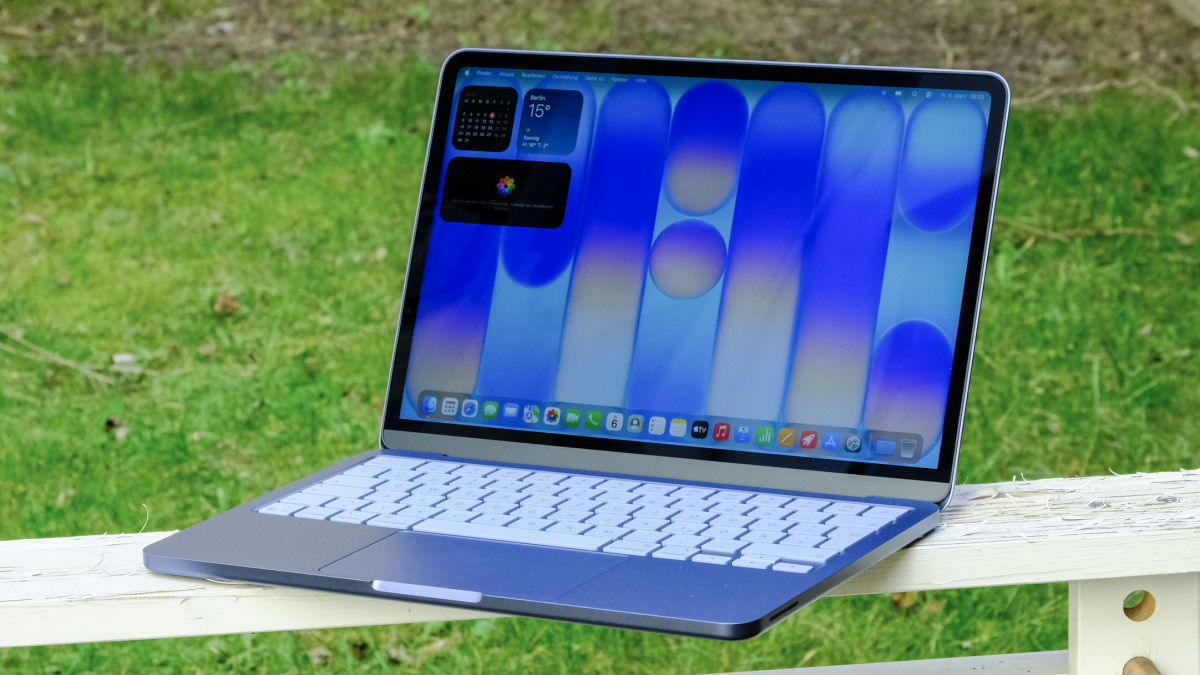
Apple's MacBook Neo Sales Surge: A Closer Look at the Numbers
Apple's new MacBook Neo has made a significant splash in the market, selling 1.1 million units in its first three weeks, according to data from IDC and reports from TechCrunch. This impressive figure highlights the device's strong appeal and solid market positioning, particularly when compared to previous models. The MacBook Neo, retailing from €700 (around $770), has notably outperformed the MacBook Air M5, which sold 900,000 units in the same time frame. Even the high-end MacBook Pro 16 M5 lagged with only 550,000 units sold. These numbers indicate a robust consumer interest that Apple has successfully tapped into, especially given that the device launched in mid-March 2026, right at the end of the first quarter.
Understanding the Market Dynamics
The success of the MacBook Neo in terms of sales can be attributed to several key factors that are currently shaping today’s laptop market. Consumers are increasingly seeking devices that offer a balance between performance and affordability. Apple seems to have hit the sweet spot with the MacBook Neo by providing a product that incorporates desirable features without the exorbitant price tag typically associated with the brand. The fact that the Neo’s sales have surpassed both the Air and Pro models suggests a significant shift towards mid-range options that deliver high quality without the hefty cost.
Compared to Previous Models: A Detailed Analysis
To fully appreciate the MacBook Neo's market performance, it's essential to compare it with its predecessors. The MacBook Air M5, priced at €1,200 (around $1,320), targeted a higher-end market segment and achieved sales of 900,000 units within the same period. On the other hand, the MacBook Neo, with its entry price of €700, has appealed to a broader audience, particularly students and professionals who require reliable performance without overspending.
In contrast, the MacBook Pro 16 M5, despite its advanced specifications, managed to sell only 550,000 units at a starting price of €2,500 (approximately $2,750). This highlights the challenges faced by premium models in an increasingly price-sensitive market. The MacBook Neo runs on Apple's A18 chip, borrowed from the current iPhone line, which makes it an attractive option for users who want to experience Apple's latest technology without investing in a flagship laptop. However, unlike the M-series chips that have been central to Apple’s push into high-performance laptops, the Neo employs a variant of the A18 chip with five GPU cores instead of six. While this might not be a significant concern for everyday users, it does raise questions about its long-term performance and graphics capabilities for more demanding tasks.
Real-World Usage Scenario
Imagine a university student on a tight budget, needing a laptop that can handle coursework, streaming, and occasional gaming. The MacBook Neo fits the bill perfectly. At €700, it’s affordable yet powerful enough to run productivity software like Microsoft Office or Google Workspace efficiently. The A18 chip ensures smooth performance for daily tasks, while the solid build quality and sleek design align with the aesthetic and functional expectations of modern students. The absence of high-end features like Thunderbolt support isn't a major drawback for this segment, as the primary use cases revolve around basic connectivity and performance.
Market Impact and Consumer Response
The MacBook Neo's sales have a significant impact on Apple's overall market strategy. With 1.1 million units sold in just three weeks, Apple has strengthened its presence in the mid-range laptop segment, showcasing its ability to innovate and adapt quickly to market demands. By utilizing chips from older iPhones, Apple can maintain production levels without major delays, which is crucial given the current supply chain constraints. However, this strategy raises the question of how long Apple can sustain this approach without risking its premium brand image.
What This Means for You
From a consumer perspective, the MacBook Neo represents a shift towards more accessible high-quality laptops. If you're in the market for a new laptop, the Neo offers a compelling option for everyday tasks at a lower price point. It's particularly appealing for users who primarily use their laptops for web browsing, content streaming, and productivity tasks. While the absence of high-end features like Thunderbolt support may not be a deal-breaker for everyone, it could deter users who require more robust connectivity options.
What's Still Unclear
Despite the impressive sales figures, certain aspects of the MacBook Neo's long-term performance remain uncertain. Will the A18 chip's limitations become more pronounced as software demands increase? How will Apple address the reported issues with the touchpad and USB ports that have emerged in early reviews? As users share their experiences on platforms like Reddit and tech review sites, the real-world performance of the Neo will become clearer. Prospective buyers should stay informed about these developments to make well-informed purchasing decisions.
Context: A European Angle
From a European perspective, Apple's pricing strategy for the MacBook Neo might resonate well with consumers facing inflation and rising living costs. With the European Union emphasizing fair pricing and competition in the tech sector, Apple’s latest offering could be seen as a response to increased regulatory scrutiny. This move may prompt local manufacturers to innovate or adjust their pricing strategies to remain competitive against Apple's strong market presence. The success of the MacBook Neo could encourage more competition in the European laptop market, ultimately benefiting consumers through improved options and pricing.
The Broader Industry Trend
The success of the MacBook Neo reflects a broader industry trend where consumers are prioritizing value over brand prestige. There's a growing inclination towards mid-range options that offer quality without the exorbitant price tags. This trend could prompt other manufacturers, such as HP, Dell, and Lenovo, to reconsider their strategies and pricing models to stay competitive. Consumers’ willingness to embrace more affordable alternatives suggests that the tech industry is on the brink of a significant shift in value propositions.
Why This Matters
The strong sales figures for the MacBook Neo underscore a clear demand for affordable technology and indicate changing market dynamics. As Apple continues to innovate within its product lines, competitors will need to adapt and respond. For consumers, the MacBook Neo offers a viable option that balances performance with affordability, setting a new standard in the laptop market. As we observe ongoing developments, it's crucial to understand how this launch will shape consumer behavior and the competitive landscape in the months ahead. Anyone who's been involved in hardware production knows that releasing a product that hits the sweet spot in market demand is no small feat, and Apple's MacBook Neo seems to have achieved just that.
Discuss this story
Got a take, a correction, or a follow-up tip? Reply where you read — we read everything.
Found an error? File a correction at /corrections. Substantive corrections are logged publicly.
One short email. The most important Hardware news, fact-checked, no fluff. Free, unsubscribe anytime.
More from Hardware
NVIDIA RTX 4070 Ti Super vs. RTX 5070 (Rumored): The 'Buy Now or Wait' Dilemma
Deciding between a powerful current-gen GPU and the promise of next-gen performance requires a clear-eyed look at immediate needs versus future potential. This guide lays out the trade-offs.
RTX 5060 Ti vs RX 9060 XT: Which Mid-Range Powerhouse Fits Your Rig?
Deciding between the rumored RTX 5060 Ti and RX 9060 XT? This guide cuts through the noise to highlight the real-world trade-offs for gamers and creators.
Lenovo Legion Pro 7i 2026 vs Razer Blade 16 2026: Which Flagship Gaming Laptop Fits Your Future?
Deciding between the next-gen Lenovo Legion Pro 7i and Razer Blade 16 means weighing peak performance against premium design and a more compact footprint. We break down the trade-offs.
Razer Blade 16 (2026) vs ASUS ROG Zephyrus G16 (2026): Which Next-Gen Powerhouse Fits Your Workflow?
Deciding between Razer's premium Blade 16 2026 and ASUS's versatile ROG Zephyrus G16? We cut through the hype to lay out the real trade-offs.
The Byte-Pulse Newsroom is the editorial system that produces Byte-Pulse's daily tech news coverage. Each story is cross-referenced across 3+ independent outlets, drafted with AI assistance by the newsroom system (Drafter → Editor → Fact-Checker → Polisher), and reviewed by Serhat Er, Editor-in-Chief, before publication. We disclose AI augmentation openly. Editorial accountability stays with the named editor on every article. Tips: editorial@byte-pulse.net.
Don’t miss these
Asus ROG Phone 9 vs Sony Xperia 1 VII: Which Niche Flagship Earns Your Money?
Deciding between the gaming-focused ROG Phone 9 and the creator-centric Xperia 1 VII? This guide breaks down every spec to help you choose.
Proton VPN vs NordVPN: Which One Earns Your Subscription?
A deep dive into Proton VPN and NordVPN, comparing their privacy, performance, features, and value, helping you make an informed decision.
Perplexity Pro vs ChatGPT Plus: Which AI Assistant Fits Your Workflow?
This guide lays out the strengths and approaches of Perplexity Pro and ChatGPT Plus, helping you identify which AI assistant aligns with your specific needs.

Pokémon TCG Movie Signals Strategic Media Pivot for The Pokémon Company
A new Pokémon movie focused on the TCG is coming in 2027, marking a strategic pivot for the franchise as it navigates massive global fan engagement and logistical challenges.
Honor Magic 8 Pro vs Samsung Galaxy S26 Ultra: Which Future Flagship Fits Your Wallet and Workflow?
Deciding between the anticipated Honor Magic 8 Pro and Samsung Galaxy S26 Ultra? Our deep dive into expected specs and features provides the fair comparison you need.
Notion vs Obsidian: Which Knowledge Hub Fits Your Workflow?
Deciding between Notion and Obsidian? We break down the core differences in philosophy, data ownership, collaboration, and extensibility to help you choose.