Nintendo's Switch 2: Meeting EU Regulations with Replaceable Batteries
The gaming giant adapts with replaceable batteries in its upcoming console.

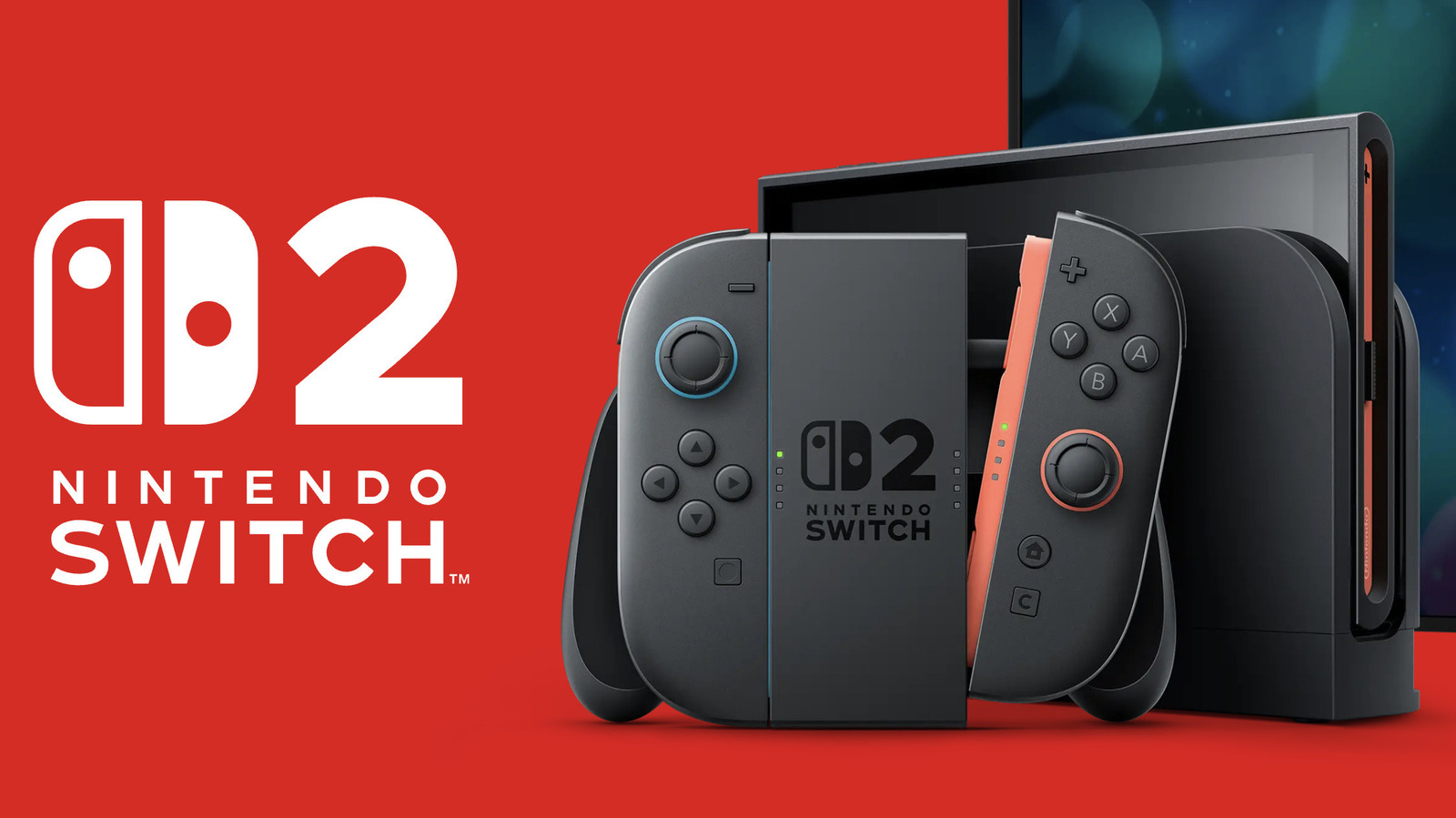
Nintendo's Switch 2: Complying with EU Regulations
Nintendo's stepping up its game in Europe. The company has announced that the upcoming Switch 2 will include replaceable batteries. This move aligns with the EU's 2023 right-to-repair policy, which kicks in on February 18, 2027. Batteries for certain appliances sold in the EU will need to be easily replaceable by consumers. This change shows Nintendo's commitment to sustainability and consumer rights in a region that increasingly values these issues.
A Closer Look at the Switch 2's Compliance Strategy
Details about the Switch 2 are still a bit scarce. However, Nintendo has revealed plans for a future-compliant version of its products. You'll recognize these products by model numbers starting with “BEE.” This code relates directly to the Switch 2 and its hardware, games, and accessories. Models with swappable batteries will have the code “OSM” on their packaging. By selling these models as separate products for regulatory compliance, Nintendo is playing it safe and avoiding potential non-compliance pitfalls.
This decision fits into a broader trend in the gaming industry. Manufacturers are being held accountable for their environmental impact. As more companies adapt to similar regulations, it's essential for Nintendo to position itself as a responsible player in the EU market. Notably, they won't be releasing the original Switch anymore, signaling a commitment to sustainable practices.
Compared to: Switch 1 and Competitors
The original Nintendo Switch, launched in 2017, set a new standard for hybrid gaming consoles. It combined portability with the power of a home console, a feature that resonated well with the gaming community. However, as we look towards the Switch 2, it's clear that improvements are necessary to stay competitive. The original Switch had a battery life ranging from 2.5 to 6.5 hours, depending on the game. The newer model, the Switch 2, is expected to have a larger screen and improved battery life, made possible not just by better battery technology but also by the ability to swap out batteries, ensuring that gamers can extend their playtime significantly.
When compared to the PlayStation 5 and Xbox Series X, Nintendo's Switch consoles have always taken a different path. While Sony and Microsoft focus on high-end graphics and performance, Nintendo aims for unique user experiences. The Switch's portability and exclusive game titles have been its main selling points. The Switch 2, with its compliance to EU regulations on replaceability, adds another feather to its cap: sustainability.
What This Means for the European Market
The EU's right-to-repair law covers a wide range of consumer electronics. It pushes manufacturers to design products with longevity and repairability in mind. For the gaming industry, this could drive innovation in how consoles are designed and maintained. If Nintendo pulls this off, it could boost customer loyalty. Gamers appreciate a company that supports repairability.
This shift reflects growing consumer preferences for sustainable and repairable products. It’s part of a larger trend where consumers are more aware of their purchasing decisions and the environmental impact of their electronics. According to a 2022 survey, 76% of European consumers expressed a preference for products that are easier to repair, highlighting the importance of such regulations.
Real Daily-Use Scenario
Consider a typical day in the life of a gamer with the Switch 2. You're traveling on a train across Europe, playing the latest "Zelda" title. After a few hours, your console's battery is running low. With the new replaceable battery feature, you simply pop in a charged spare, and you're back to exploring Hyrule within minutes. This ease of use, combined with the console's portability, enhances the overall gaming experience, especially for those who travel frequently or have long commutes. It also significantly reduces the anxiety of having to find a power outlet in the middle of your journey.
Market Position: Competing with the Switch 2
Let’s break down how the Switch 2 stacks up against its predecessor and competitors. The original Switch, launched in 2017, has been a hit, but its limitations are becoming clear. Battery life and performance issues are noticeable. The Switch 2, expected to hit shelves in 2025, will bring a larger screen, better storage, and those swappable batteries that meet EU standards.
The gaming scene is competitive. Sony's PlayStation 5 and Microsoft's Xbox Series X have set high bars for performance and graphics. While the Switch 2 might not compete in raw power, it offers unique gameplay—especially with its portable design. The inclusion of swappable batteries could give it an edge, appealing to eco-conscious gamers.
Pricing and Market Dynamics
Recently, Nintendo raised the price of the Switch in the EU from €470 to €500 due to rising memory costs and other market shifts. This matters, especially in a price-sensitive environment. If the Switch 2 with swappable batteries is priced similarly, it could shake up sales dynamics. Nintendo needs to balance pricing with compliance value so they don’t lose potential customers.
Pricing will be key. The PlayStation 5 and Xbox Series X are priced at around €500 to €600, depending on the model and region. Nintendo will need to justify its pricing strategy by highlighting the unique features and benefits of the Switch 2, particularly its compliance with the EU regulations and its eco-friendly approach.
What This Means for You
For gamers in the EU, this is good news. The ability to replace batteries easily means less electronic waste and a longer lifespan for your console. It puts power in the hands of consumers, aligning with the push for sustainability in tech. If you care about eco-friendliness, this is definitely a step forward.
From a practical standpoint, this means you could potentially save money over the lifecycle of the console. Instead of potentially having to replace the entire device when the battery degrades, you'll simply need to purchase a new battery. This could extend the usable life of the console by several years, making it a more cost-effective purchase in the long run.
What's Still Unclear
Even with these positive steps, some questions linger. We don’t know when Nintendo will start selling the new Switch 2 or how much it will cost. Plus, the company hasn’t shared details about the console’s specs or its performance compared to the original Switch and competitors. Without this info, consumers might wonder if the new features will justify any price hikes.
Another area of uncertainty is the availability of replacement batteries. Will they be readily available across all EU markets? And at what price point? These factors will play a crucial role in determining how well the Switch 2 is received in the market.
Why This Matters
Nintendo's decision to launch a Switch 2 with replaceable batteries shows a bigger shift in the gaming industry towards sustainability and consumer empowerment. By focusing on repairability, Nintendo isn't just meeting regulations; they’re responding to a growing consumer demand for eco-friendly products. As the market changes, this could set a standard that other manufacturers might follow, reshaping the gaming landscape for years to come. With environmental responsibility and consumer rights at the forefront, Nintendo’s actions could spark real change across the industry.
For anyone who's shipped hardware, the complexities of adapting to new regulations while maintaining market competitiveness are significant. Nintendo's approach, though cautious, sets a precedent that aligns with the evolving expectations of consumers and governments alike. It remains to be seen how this will influence the broader gaming industry, but one thing is certain: the move towards sustainability is not just a trend, but a necessity for future success.
Best-selling controllers, headsets and storage for your next session.
Shop gaming gear →Discuss this story
Got a take, a correction, or a follow-up tip? Reply where you read — we read everything.
Found an error? File a correction at /corrections. Substantive corrections are logged publicly.
One short email. The most important Gaming news, fact-checked, no fluff. Free, unsubscribe anytime.
More from Gaming

Pokémon TCG Movie Signals Strategic Media Pivot for The Pokémon Company
A new Pokémon movie focused on the TCG is coming in 2027, marking a strategic pivot for the franchise as it navigates massive global fan engagement and logistical challenges.

GTA 6's Realism Gamble: Will Player Patience Pay Off?
Byte-Pulse examines GTA 6's shift to ultra-realism, from complex Wanted systems to car refueling, and questions if 'ambition' justifies potential player friction.

Rockstar's Netflix Gambit: A 'New Thing' or Calculated Content Gate?
Rockstar Games initiated the Netflix exclusive 'extended look' for GTA 6, drawing ire from fans. We dissect the strategy and its implications.
GTA VI: Beyond the Hype - Costs, Console Choices, and Cyber Threats
Byte-Pulse examines GTA VI's colossal scope, the practicalities of console choice, and the digital dangers lurking beneath the launch hype.
The Byte-Pulse Newsroom is the editorial system that produces Byte-Pulse's daily tech news coverage. Each story is cross-referenced across 3+ independent outlets, drafted with AI assistance by the newsroom system (Drafter → Editor → Fact-Checker → Polisher), and reviewed by Serhat Er, Editor-in-Chief, before publication. We disclose AI augmentation openly. Editorial accountability stays with the named editor on every article. Tips: editorial@byte-pulse.net.
Don’t miss these
NVIDIA RTX 4070 Ti Super vs. RTX 5070 (Rumored): The 'Buy Now or Wait' Dilemma
Deciding between a powerful current-gen GPU and the promise of next-gen performance requires a clear-eyed look at immediate needs versus future potential. This guide lays out the trade-offs.
Asus ROG Phone 9 vs Sony Xperia 1 VII: Which Niche Flagship Earns Your Money?
Deciding between the gaming-focused ROG Phone 9 and the creator-centric Xperia 1 VII? This guide breaks down every spec to help you choose.
Proton VPN vs NordVPN: Which One Earns Your Subscription?
A deep dive into Proton VPN and NordVPN, comparing their privacy, performance, features, and value, helping you make an informed decision.
Perplexity Pro vs ChatGPT Plus: Which AI Assistant Fits Your Workflow?
This guide lays out the strengths and approaches of Perplexity Pro and ChatGPT Plus, helping you identify which AI assistant aligns with your specific needs.
RTX 5060 Ti vs RX 9060 XT: Which Mid-Range Powerhouse Fits Your Rig?
Deciding between the rumored RTX 5060 Ti and RX 9060 XT? This guide cuts through the noise to highlight the real-world trade-offs for gamers and creators.
Honor Magic 8 Pro vs Samsung Galaxy S26 Ultra: Which Future Flagship Fits Your Wallet and Workflow?
Deciding between the anticipated Honor Magic 8 Pro and Samsung Galaxy S26 Ultra? Our deep dive into expected specs and features provides the fair comparison you need.