Nintendo Switch 2: EU Version to Feature User-Friendly Battery Replacement
Nintendo simplifies battery replacement for Switch 2 in Europe to meet new regulations.

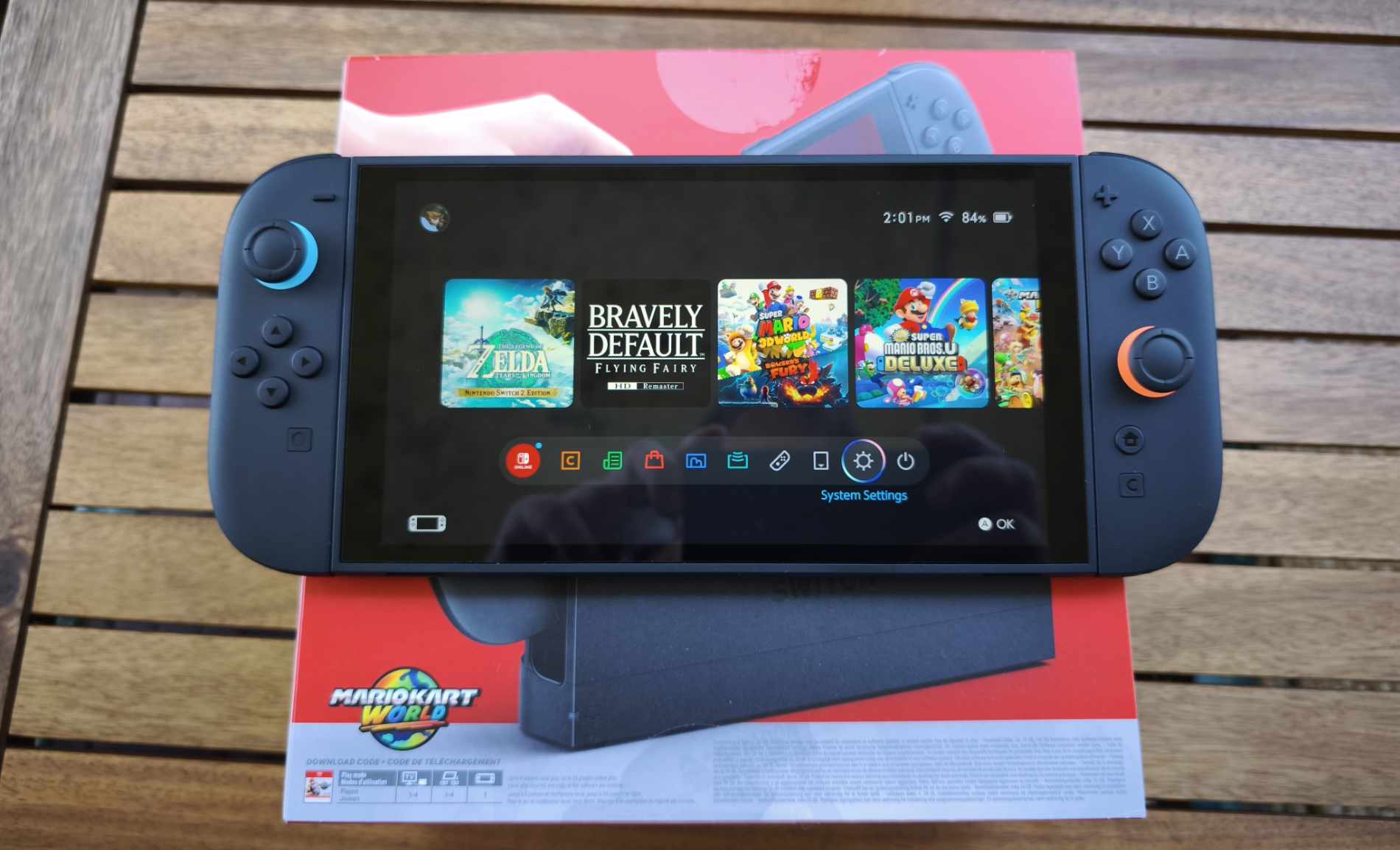
Nintendo Switch 2: EU Version Set for Easy Battery Swaps
Nintendo is gearing up for a significant shift with its next console, the Switch 2, by introducing a user-friendly battery replacement feature specifically designed for the European market. This adjustment is in response to new battery regulations from the European Union, which will take effect on February 18, 2027. These rules mandate that portable gaming consoles allow consumers to replace batteries without the need for special tools or technical expertise.
Regulatory Context
The push for easily replaceable batteries is not an isolated initiative but part of a broader EU agenda focusing on sustainability and consumer rights. The new battery directive aims to mitigate electronic waste and promote recycling across Europe, aligning with the EU’s overarching Green Deal. This policy framework aspires to make Europe the first climate-neutral continent by 2050, highlighting the region's commitment to environmental sustainability and reduced carbon footprints.
The regulations specifically target the lifecycle of electronic products, emphasizing the importance of end-of-life management. By requiring manufacturers like Nintendo to rethink product designs, the EU hopes to extend the lifespan of devices and facilitate easier recycling processes. This could lead to a paradigm shift in how electronic devices are designed and marketed across Europe.
User Experience and Product Changes
While Nintendo has acknowledged the need to comply with these upcoming regulations, it has yet to disclose specific details regarding the design changes for the Switch 2 to accommodate user-friendly battery swaps. According to industry insiders, the modifications may include removable back panels secured with standard screws or clips, enabling users to access and replace batteries easily. However, this lack of transparency from Nintendo might influence consumer perceptions, particularly among those who prioritize sustainability and device longevity.
The introduction of user-replaceable batteries could significantly impact the user experience, offering several advantages. For one, it allows consumers to extend the life of their devices by replacing depleted batteries rather than purchasing entirely new consoles. This change could be particularly appealing to environmentally conscious gamers who are looking to minimize their ecological footprint.
Compared to: Nintendo Switch
To fully appreciate the potential impact of the Switch 2's design changes, it's helpful to compare it to its predecessor, the original Nintendo Switch. Released in March 2017, the original Switch featured a non-removable, internally housed lithium-ion battery. While this design choice was standard at the time, it posed challenges for users seeking to replace batteries as they degraded over time.
The original Switch's battery life ranged from approximately 2.5 to 6.5 hours, depending on the game being played. Although the battery was not designed for user replacement, Nintendo offered battery replacement services at a cost, requiring users to send their consoles to an authorized service center. This process was often time-consuming and inconvenient for users.
In contrast, the Switch 2's user-replaceable battery feature represents a significant departure from the original design, potentially offering users more flexibility and control over their devices' longevity. While pricing details for the Switch 2 are not yet available, it is anticipated that the inclusion of replaceable batteries could influence the console's price point, possibly leading to a slightly higher initial cost.
Real Daily-Use Scenario
Imagine a typical day for a devoted Switch gamer. You’re on a long train journey, engrossed in the latest Zelda installment. Halfway through, the dreaded low battery alert flashes. With the original Switch, you'd be forced to either plug into a portable battery pack or cut your gaming session short until you reached a power outlet.
With the Switch 2, however, a low battery is less of a hindrance. Having a spare battery on hand means you can pause the game, quickly swap in a fresh battery, and continue your adventure uninterrupted. This scenario showcases the practical advantages of a user-replaceable battery design, enhancing the overall gaming experience by reducing downtime and increasing convenience.
What This Means for You
For consumers, the introduction of user-replaceable batteries in the Nintendo Switch 2 could bring several benefits. Not only does it empower users to take charge of their device maintenance, but it also supports a more sustainable approach to electronics. By allowing users to replace batteries themselves, the Switch 2 could contribute to reducing electronic waste and prolonging the console's lifespan.
Moreover, the ability to easily replace batteries could translate to cost savings over time. Instead of investing in a brand-new console when battery performance declines, users can simply purchase replacement batteries, potentially saving money in the long run.
For environmentally conscious gamers, the Switch 2's compliance with EU sustainability regulations may make it an attractive option. As consumers increasingly prioritize sustainability in their purchasing decisions, Nintendo's efforts to align with these values could enhance the brand's appeal and foster loyalty among eco-minded gamers.
What's Still Unclear
Despite the promising changes on the horizon, several questions remain unanswered. Nintendo has yet to release detailed specifications or design blueprints for the Switch 2, leaving consumers to speculate about the exact nature of the battery replacement process. Additionally, the company has not provided information on the availability or pricing of replacement batteries, which could influence consumer adoption.
Another area of uncertainty is how the design changes will affect the console's overall durability and performance. While user-replaceable batteries offer clear advantages, there is a possibility that the design alterations could impact other aspects of the console, such as its weight, size, or structural integrity.
Furthermore, it's unclear how these changes will affect the global market outside of Europe. While the EU regulations are driving the design modifications, it remains to be seen whether Nintendo will implement similar features in Switch 2 models sold in other regions, such as North America or Asia.
Closing Take
Nintendo's decision to include user-replaceable batteries in the Switch 2 for the European market marks a significant step toward aligning with EU sustainability regulations. By empowering consumers to manage their device's battery life, the company is addressing growing demands for sustainability and user autonomy.
As the gaming industry continues to evolve, Nintendo's willingness to adapt to regulatory changes and consumer preferences could set a precedent for other manufacturers. The Switch 2's design updates may influence broader trends in electronics, encouraging companies to prioritize sustainability and ease of maintenance in their products.
While uncertainties remain regarding the specifics of the Switch 2's design and implementation, the introduction of user-replaceable batteries represents a promising development for both Nintendo and its consumers. As more information becomes available, gamers and industry observers alike will be eager to see how these changes unfold and what they mean for the future of portable gaming.
Current deals and reviews for the Nintendo Switch 2 on Amazon.
Check prices →Discuss this story
Got a take, a correction, or a follow-up tip? Reply where you read — we read everything.
Found an error? File a correction at /corrections. Substantive corrections are logged publicly.
One short email. The most important Gaming news, fact-checked, no fluff. Free, unsubscribe anytime.
More from Gaming

Pokémon TCG Movie Signals Strategic Media Pivot for The Pokémon Company
A new Pokémon movie focused on the TCG is coming in 2027, marking a strategic pivot for the franchise as it navigates massive global fan engagement and logistical challenges.

GTA 6's Realism Gamble: Will Player Patience Pay Off?
Byte-Pulse examines GTA 6's shift to ultra-realism, from complex Wanted systems to car refueling, and questions if 'ambition' justifies potential player friction.

Rockstar's Netflix Gambit: A 'New Thing' or Calculated Content Gate?
Rockstar Games initiated the Netflix exclusive 'extended look' for GTA 6, drawing ire from fans. We dissect the strategy and its implications.
GTA VI: Beyond the Hype - Costs, Console Choices, and Cyber Threats
Byte-Pulse examines GTA VI's colossal scope, the practicalities of console choice, and the digital dangers lurking beneath the launch hype.
The Byte-Pulse Newsroom is the editorial system that produces Byte-Pulse's daily tech news coverage. Each story is cross-referenced across 3+ independent outlets, drafted with AI assistance by the newsroom system (Drafter → Editor → Fact-Checker → Polisher), and reviewed by Serhat Er, Editor-in-Chief, before publication. We disclose AI augmentation openly. Editorial accountability stays with the named editor on every article. Tips: editorial@byte-pulse.net.
Don’t miss these
NVIDIA RTX 4070 Ti Super vs. RTX 5070 (Rumored): The 'Buy Now or Wait' Dilemma
Deciding between a powerful current-gen GPU and the promise of next-gen performance requires a clear-eyed look at immediate needs versus future potential. This guide lays out the trade-offs.
Asus ROG Phone 9 vs Sony Xperia 1 VII: Which Niche Flagship Earns Your Money?
Deciding between the gaming-focused ROG Phone 9 and the creator-centric Xperia 1 VII? This guide breaks down every spec to help you choose.
Proton VPN vs NordVPN: Which One Earns Your Subscription?
A deep dive into Proton VPN and NordVPN, comparing their privacy, performance, features, and value, helping you make an informed decision.
Perplexity Pro vs ChatGPT Plus: Which AI Assistant Fits Your Workflow?
This guide lays out the strengths and approaches of Perplexity Pro and ChatGPT Plus, helping you identify which AI assistant aligns with your specific needs.
RTX 5060 Ti vs RX 9060 XT: Which Mid-Range Powerhouse Fits Your Rig?
Deciding between the rumored RTX 5060 Ti and RX 9060 XT? This guide cuts through the noise to highlight the real-world trade-offs for gamers and creators.
Honor Magic 8 Pro vs Samsung Galaxy S26 Ultra: Which Future Flagship Fits Your Wallet and Workflow?
Deciding between the anticipated Honor Magic 8 Pro and Samsung Galaxy S26 Ultra? Our deep dive into expected specs and features provides the fair comparison you need.